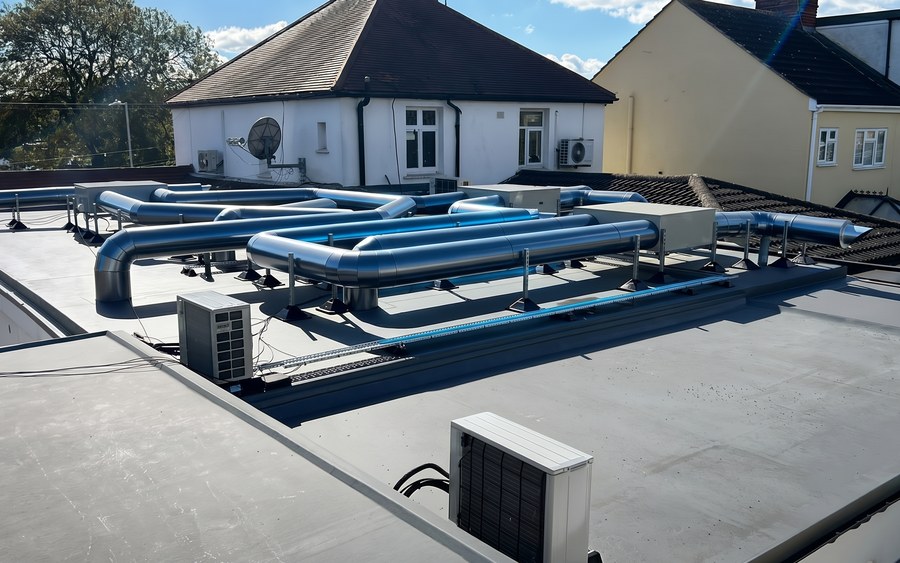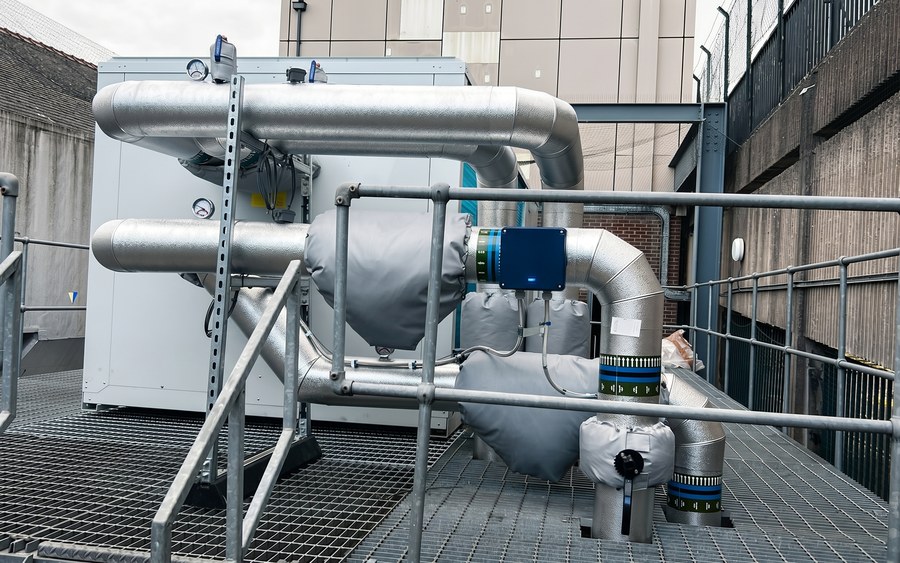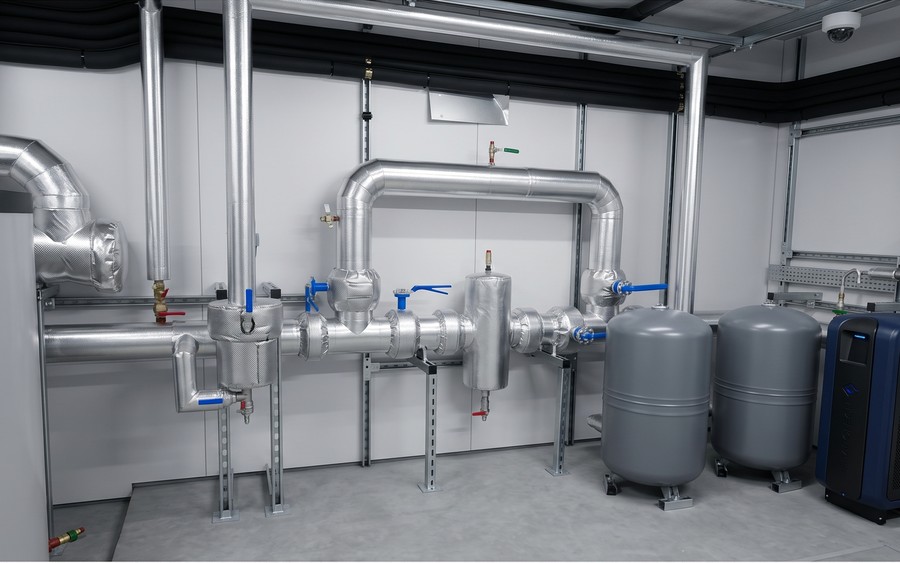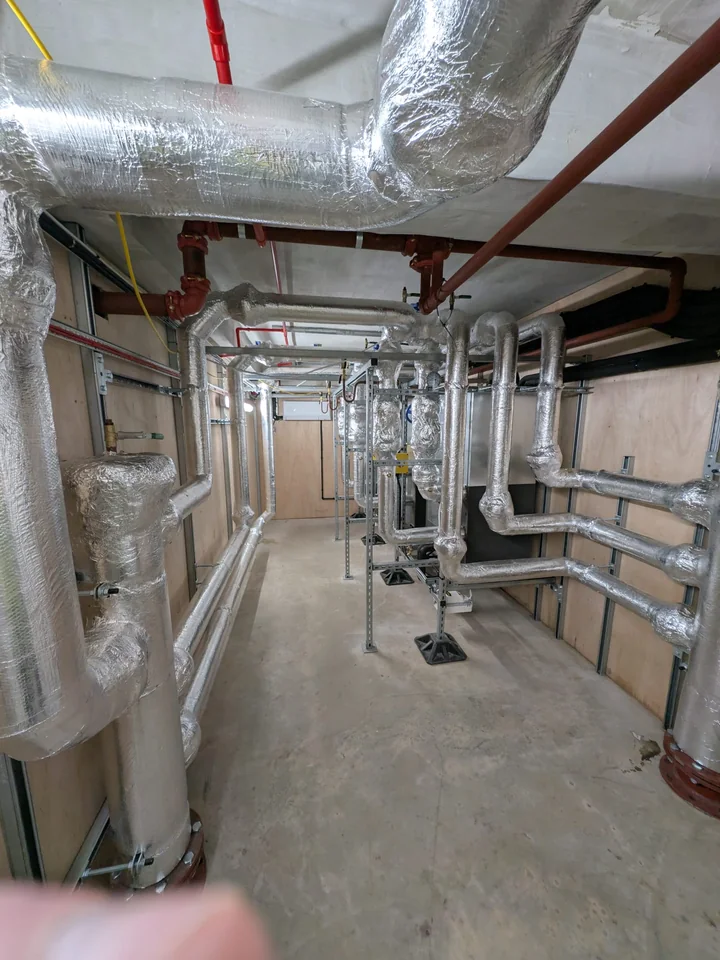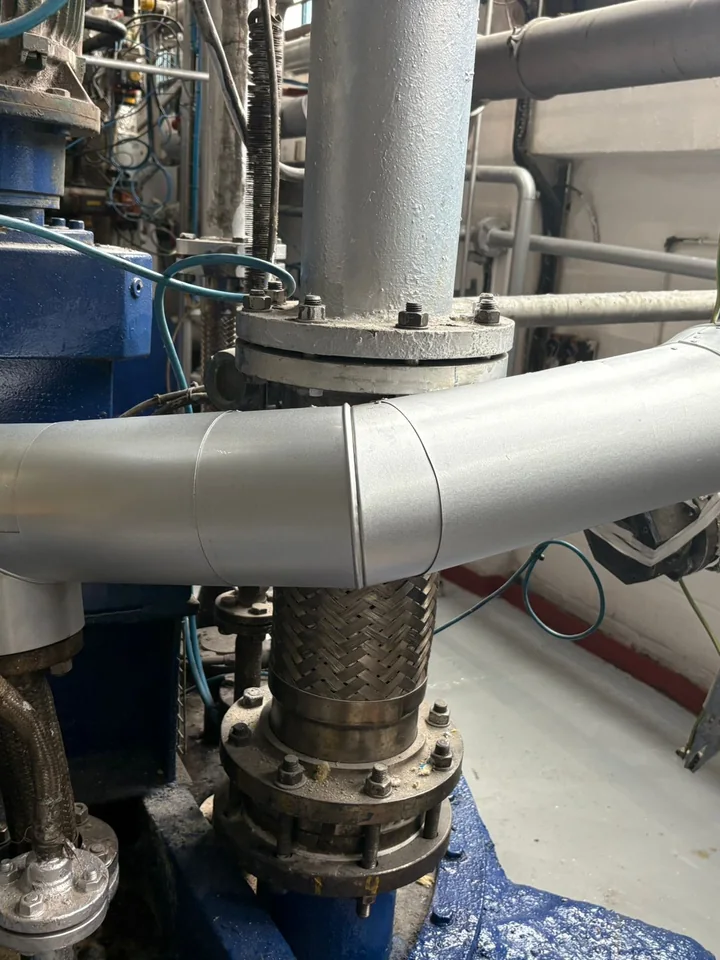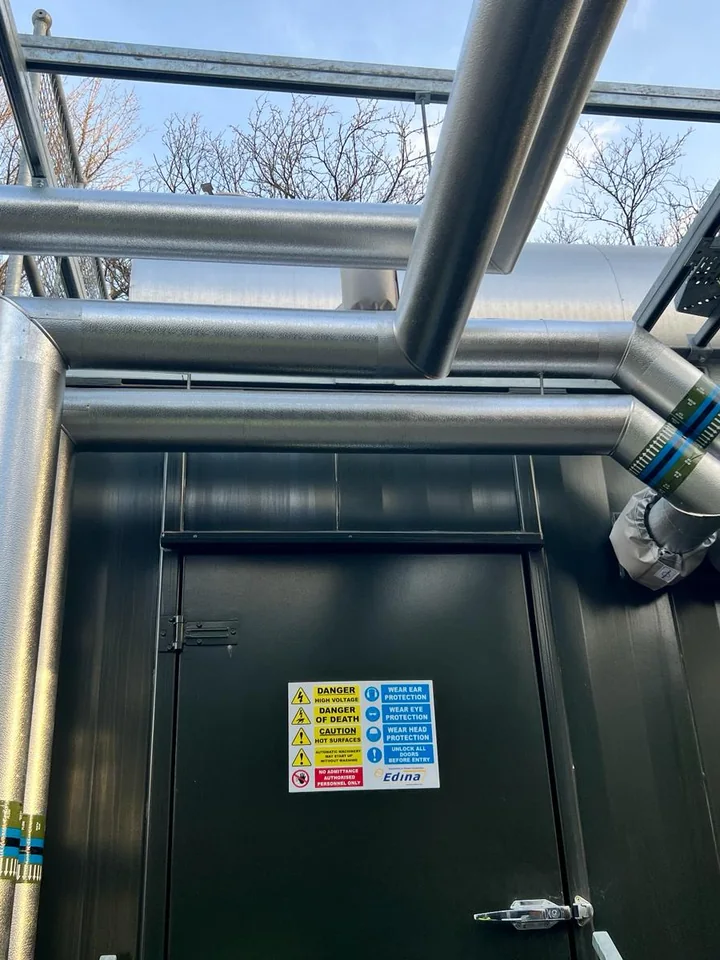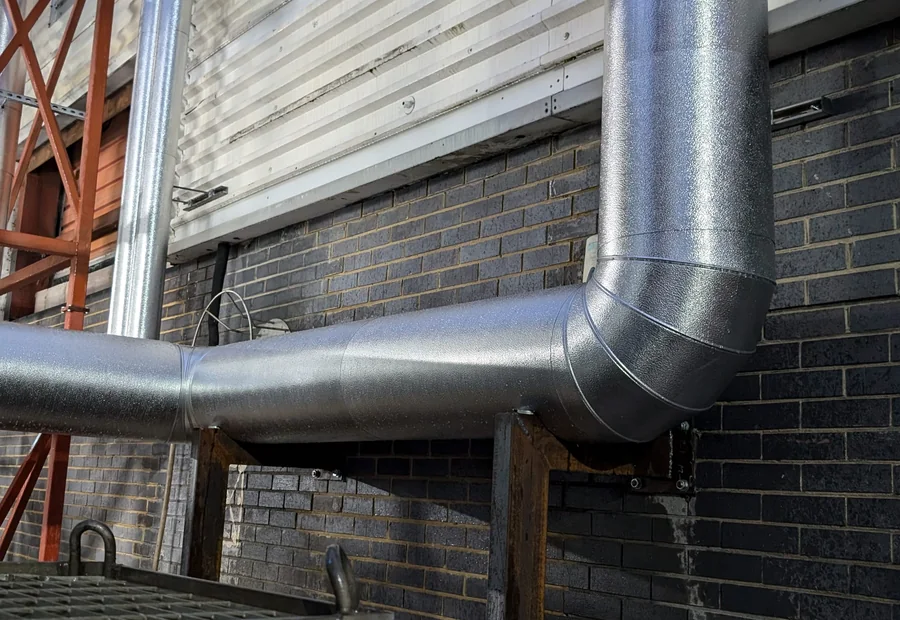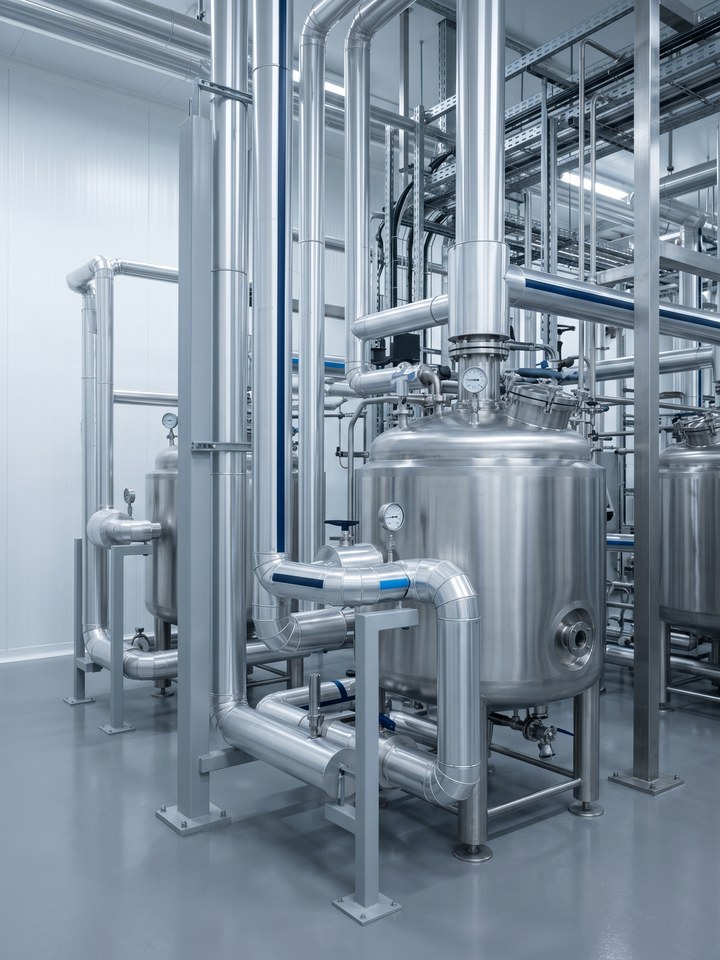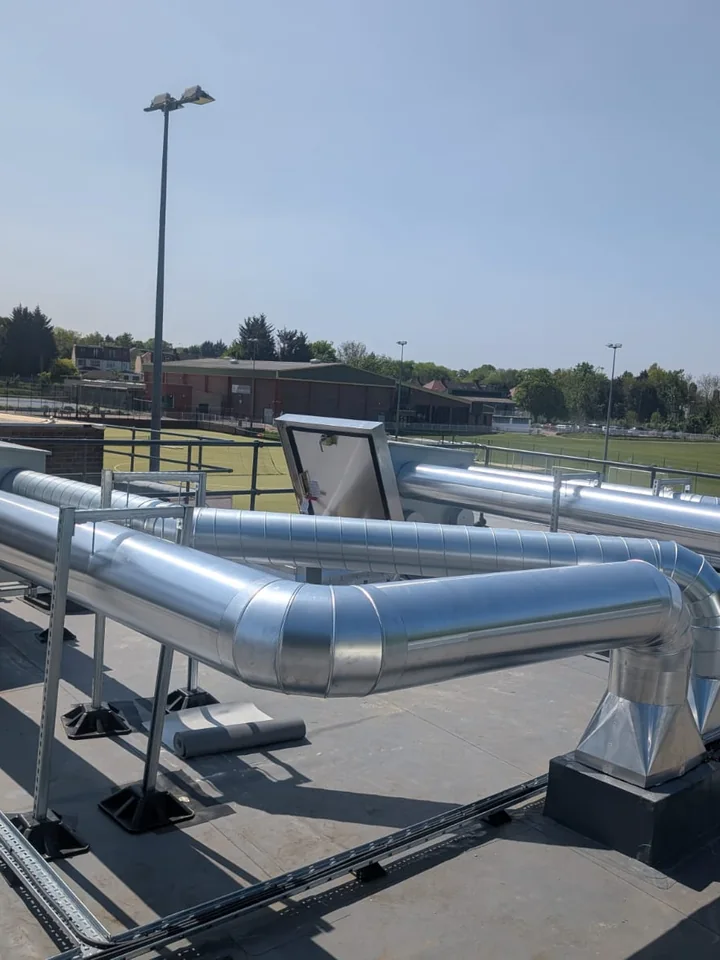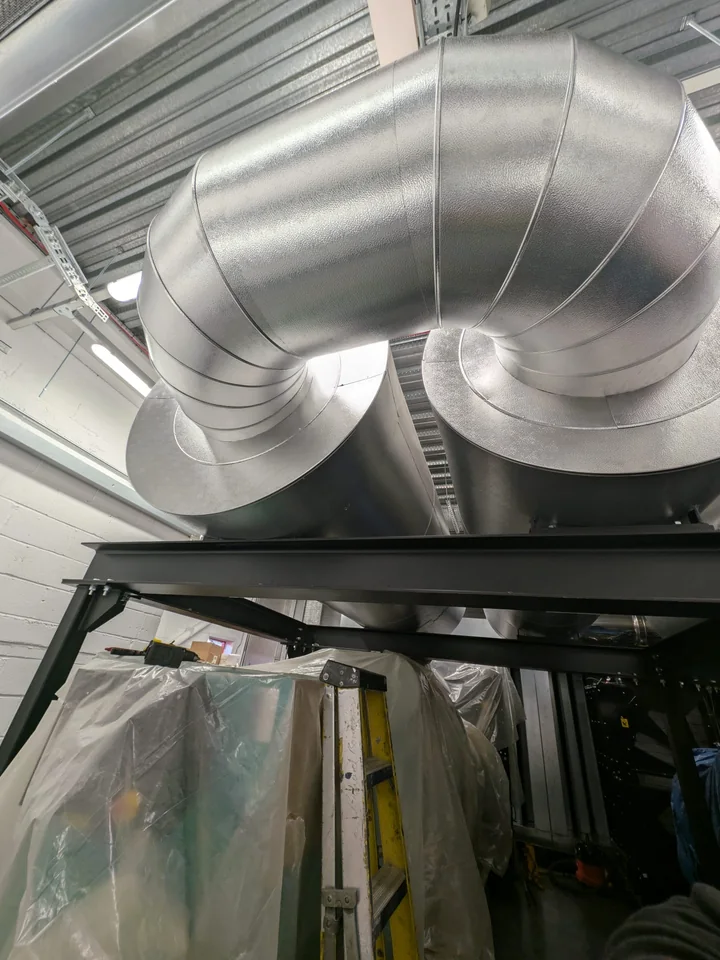
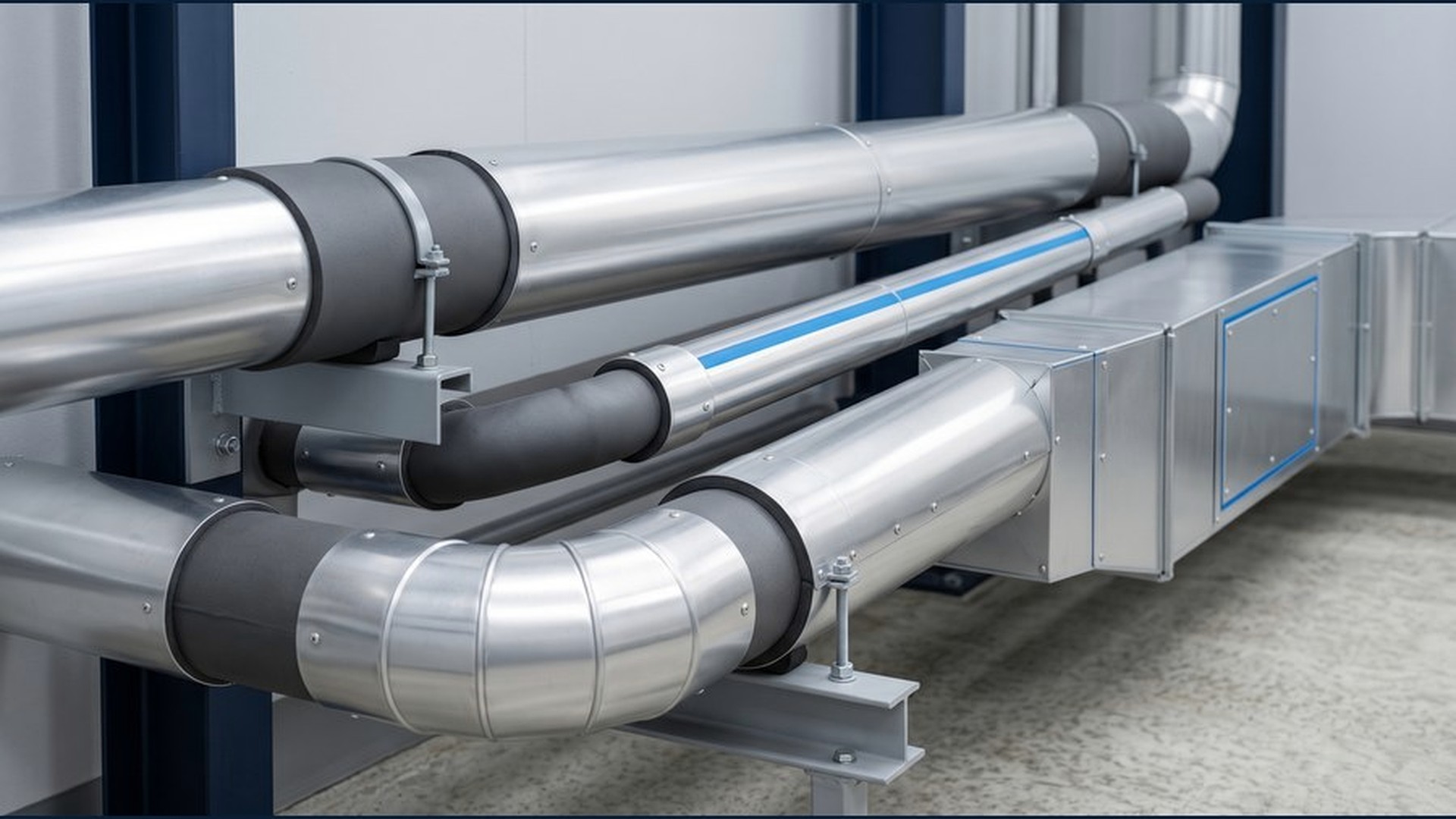

Enviroshield plans Aluzinc service cladding around the finish, exposure and maintenance needs of the project rather than treating the cladding as a standalone metal-supply job.
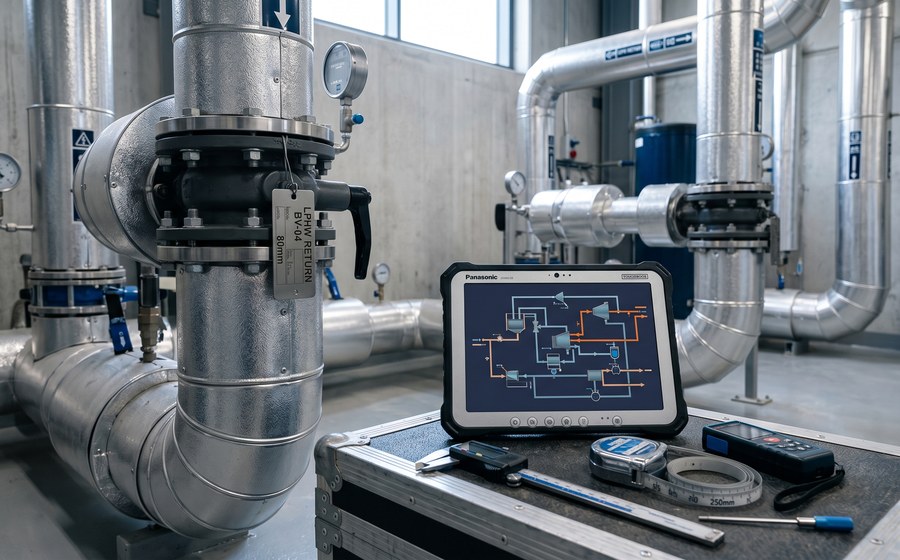
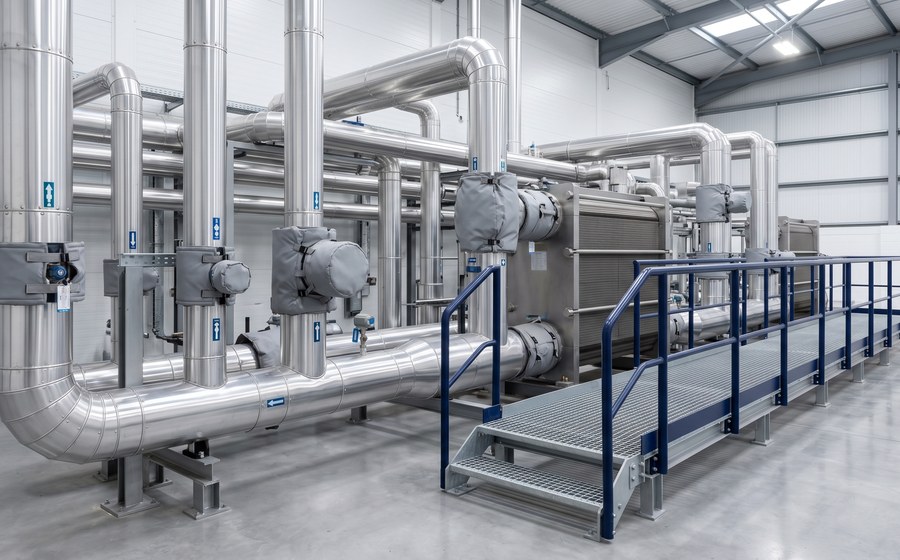
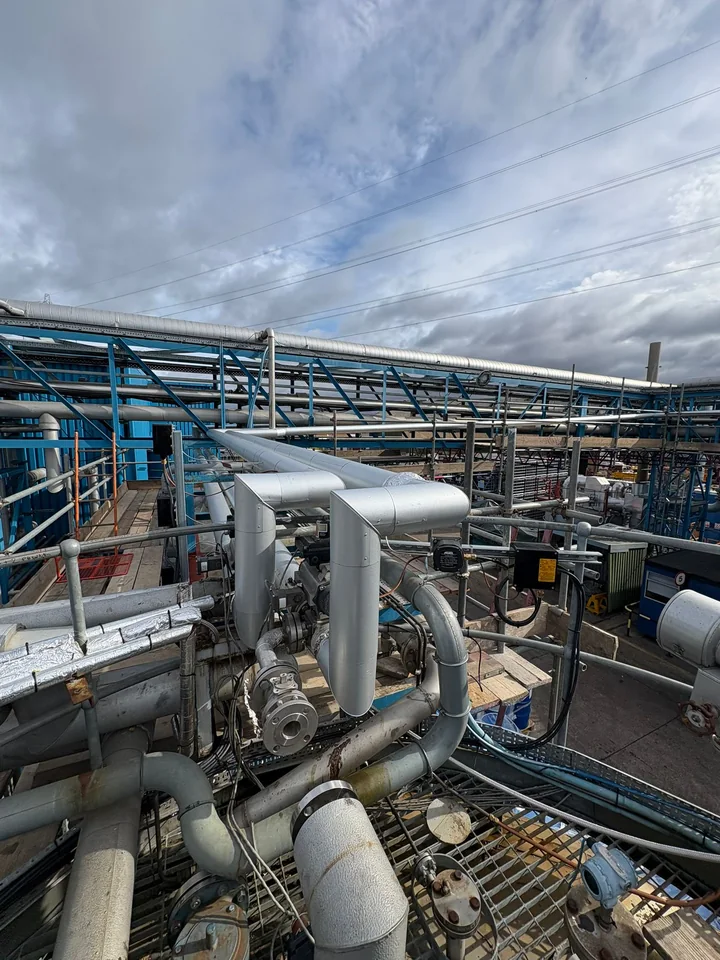
The route is used where insulated services need a durable metallic finish on visible pipework, plant areas and exposed routes, with insulation and access detail considered together.
Cladding Planned Around the Service
Aluzinc works best when the route is specified around exposure, access, hygiene and the appearance the client wants to hand over.
Heat-Loss Reduction
Insulation can reduce unnecessary heat loss from pipework, tanks, vessels and plant room services while supporting operating performance.
Temperature Control
Suitable insulation helps maintain service temperatures and can be coordinated with trace heating where frost protection is required.
Personnel Protection
Exposed hot services can be insulated and finished to reduce surface-temperature risk in plant rooms, corridors and working areas.
Maintenance Access
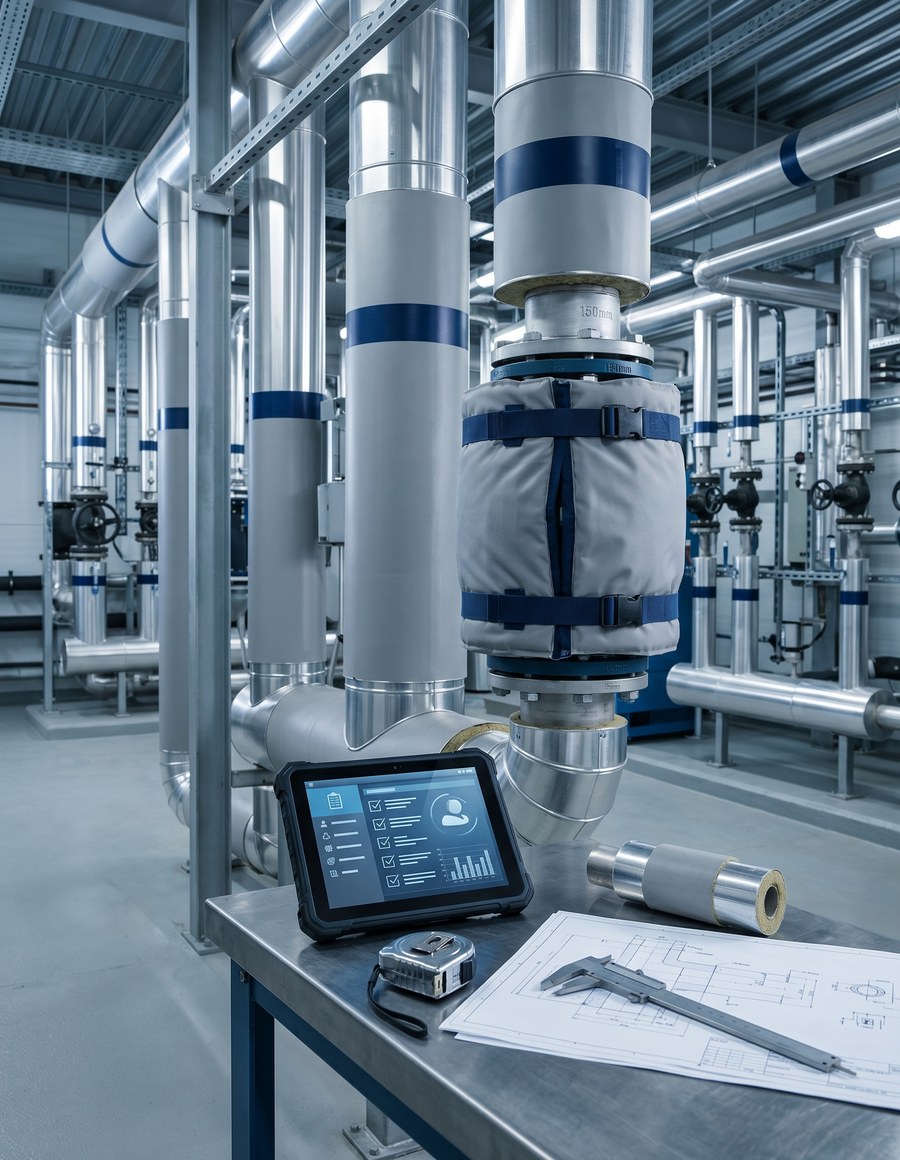
Valves, flanges and inspection points can be planned with removable jackets, neat cladding and access-friendly detailing.
Where Aluzinc Fits Best
Aluzinc service cladding suits routes that need a clean metallic finish with enough resilience for commercial and industrial sites.
Pipework, Tanks & Vessels
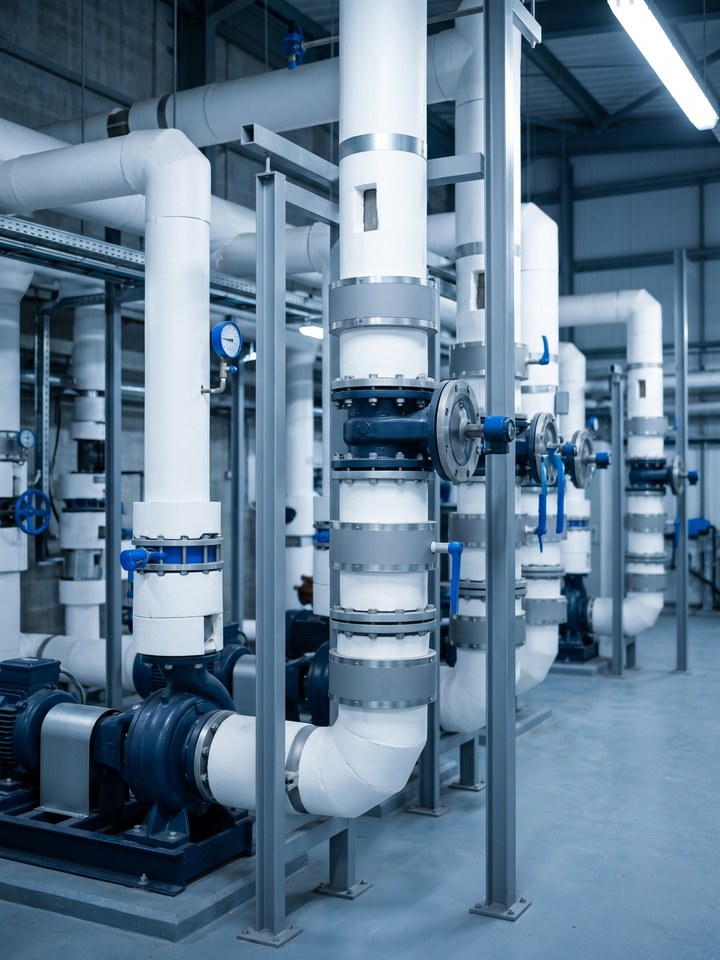
Thermal insulation for heating services, process lines, storage tanks and vessels where heat transfer needs to be controlled.
Plant Rooms & Ductwork
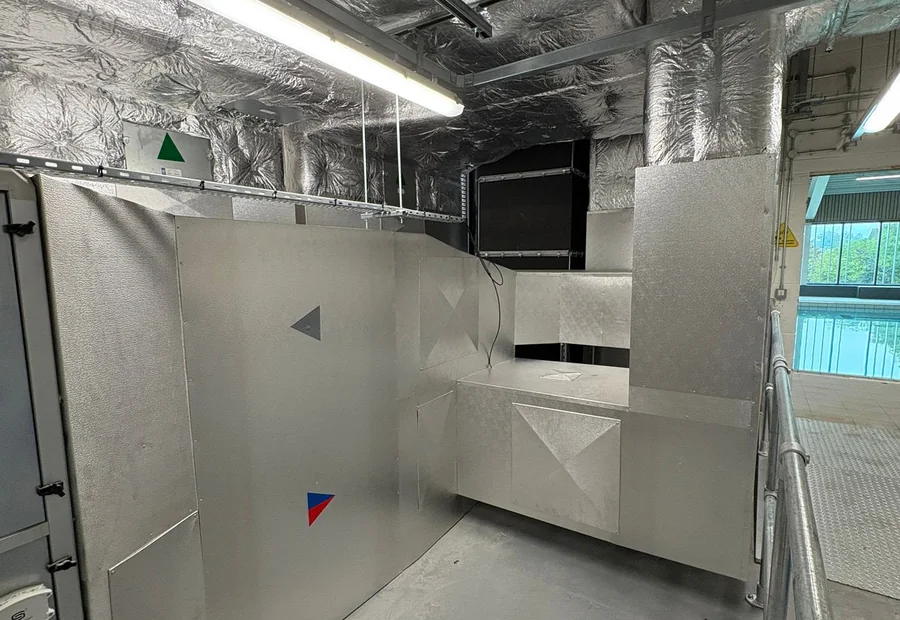
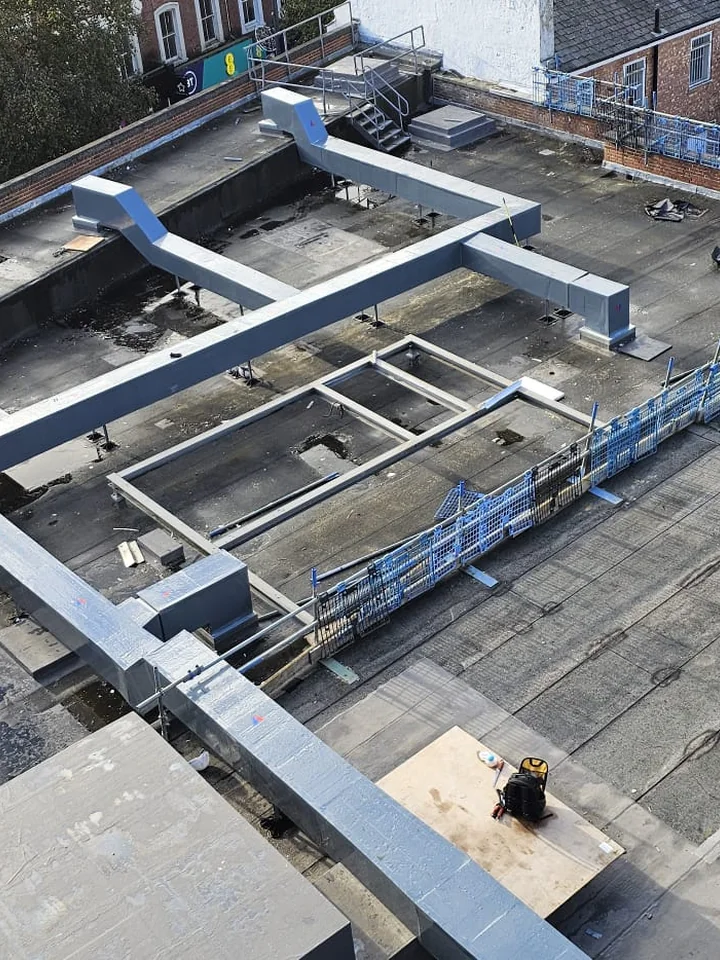
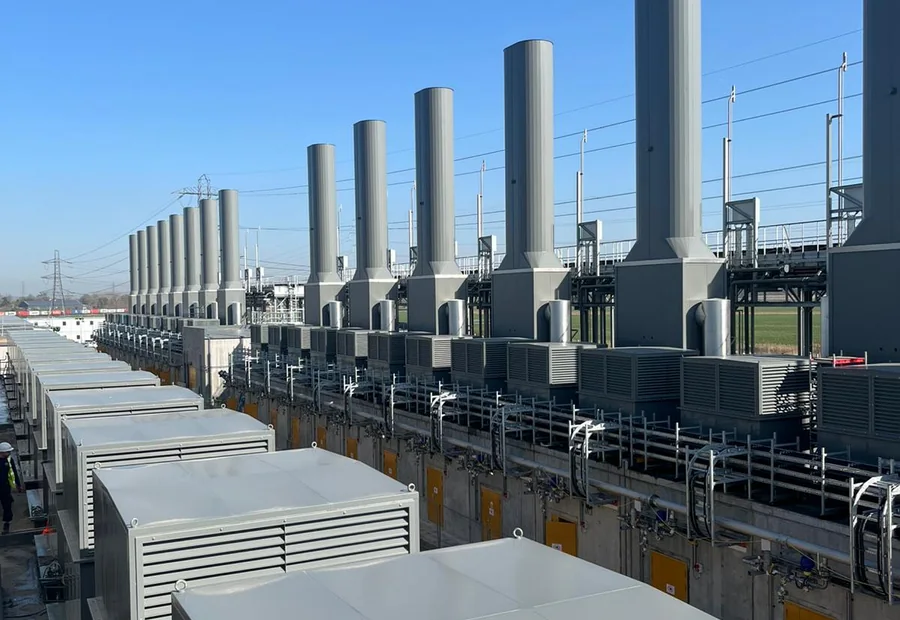
Insulation for plant rooms, ventilation ductwork and building services routes across commercial and industrial sites.
Cladding & Finish Detail
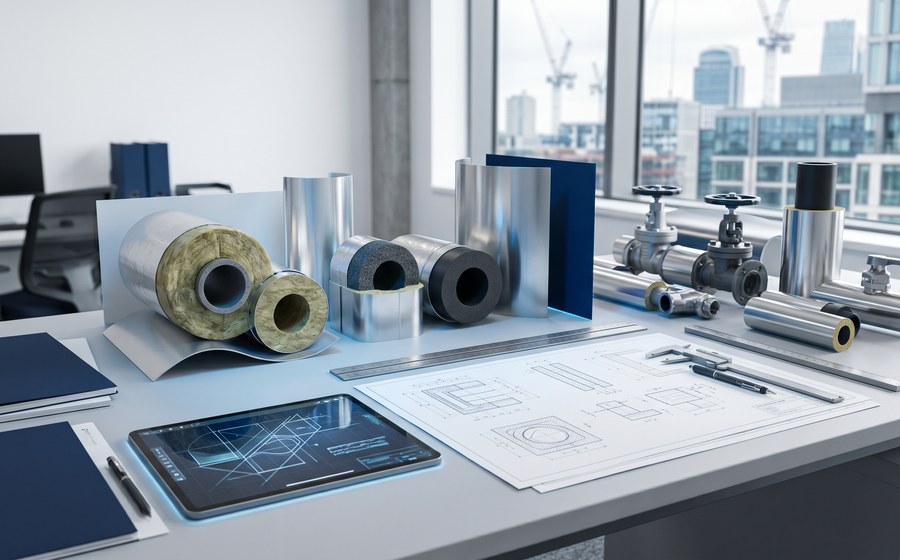
Aluminium, stainless steel, Aluzinc, PIB, Proclad, VentureClad or RAL-coloured finishes can be considered where suitable.
Hygienic & External Areas
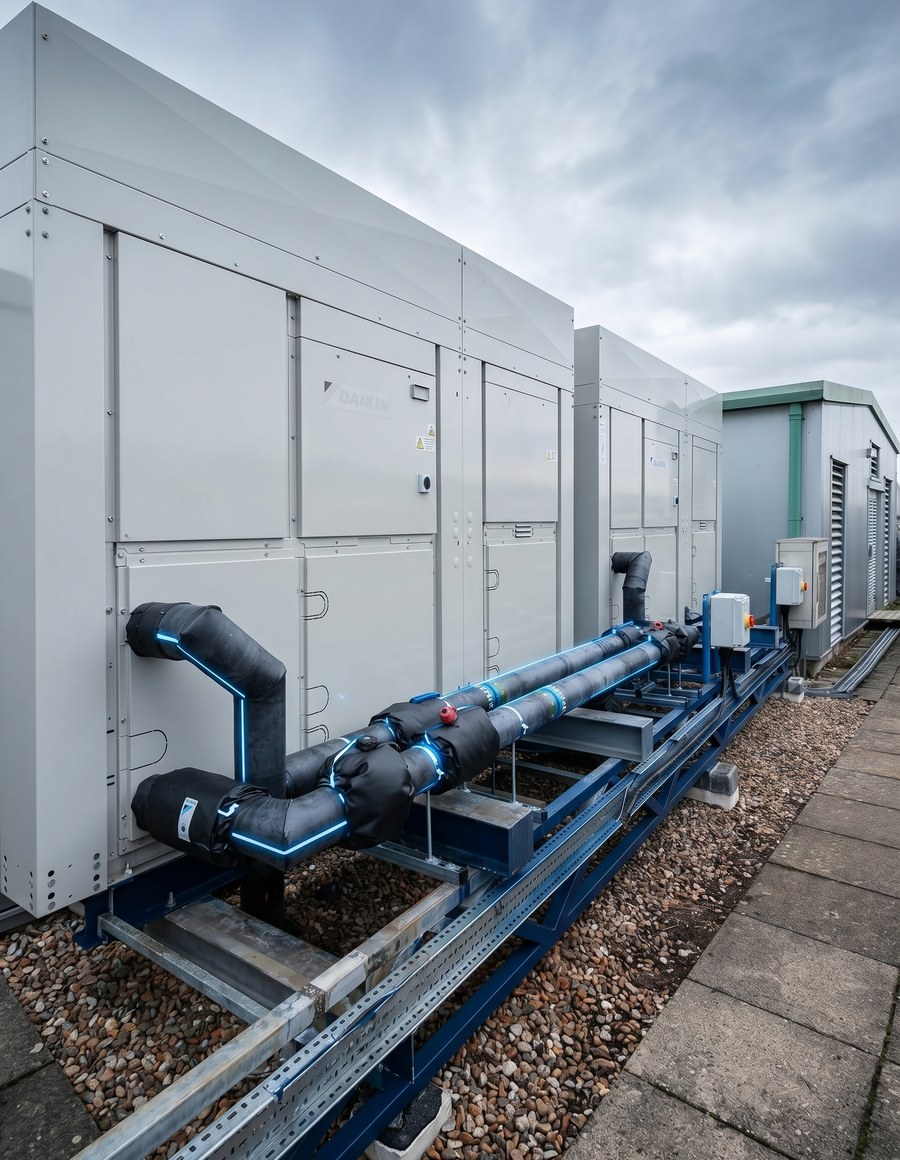
Food, pharmaceutical, chemical and external service areas can be planned with wipe-clean or weather-resistant finish options.