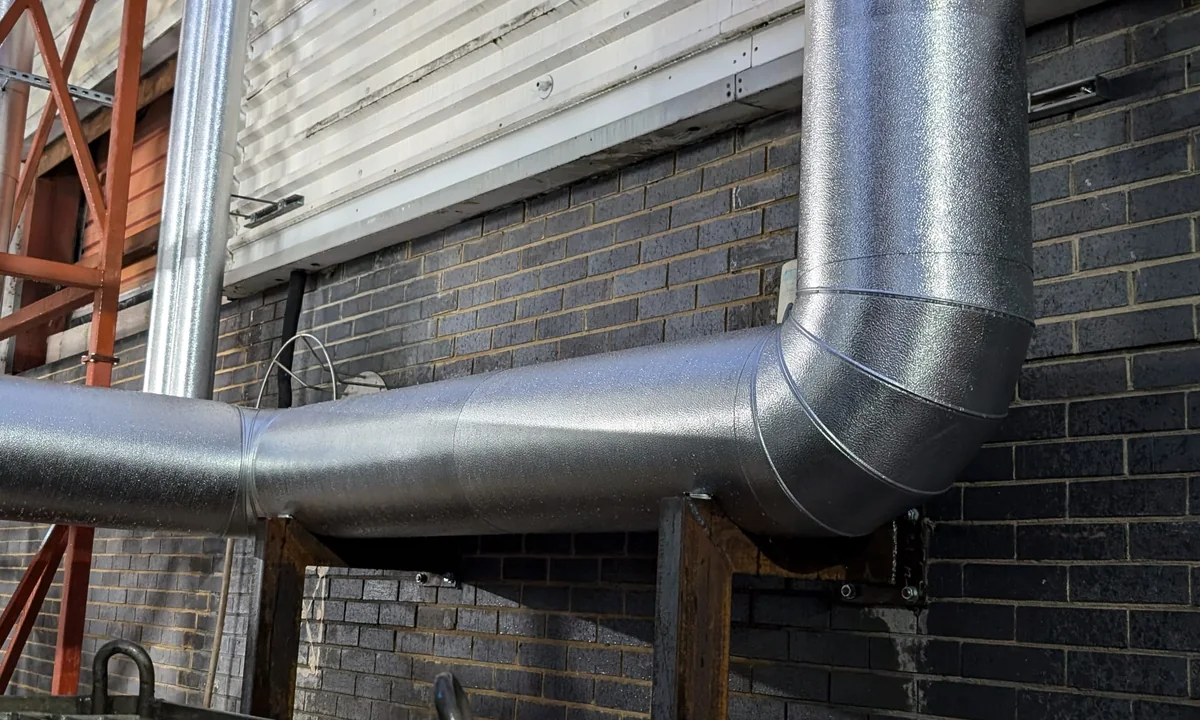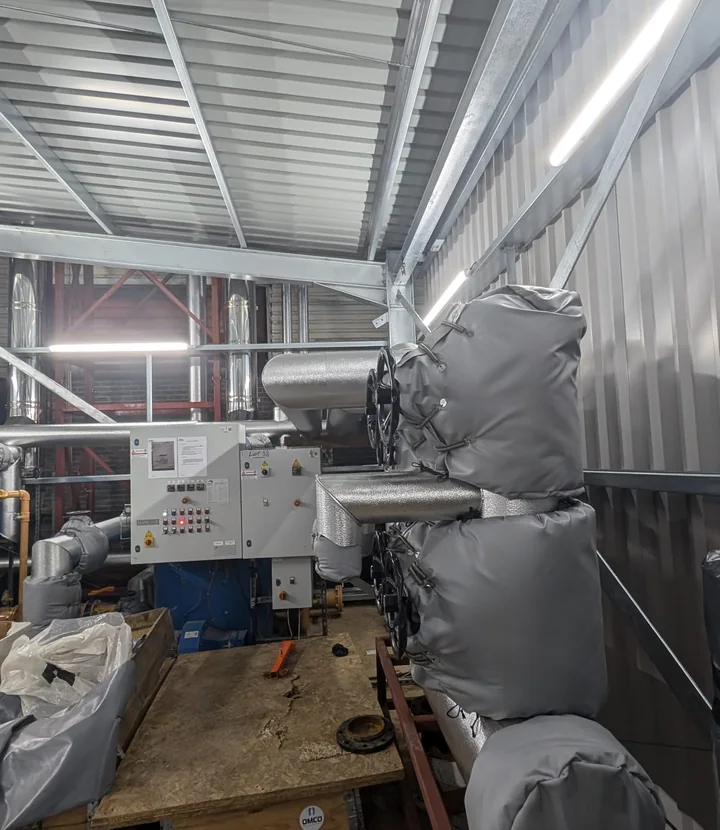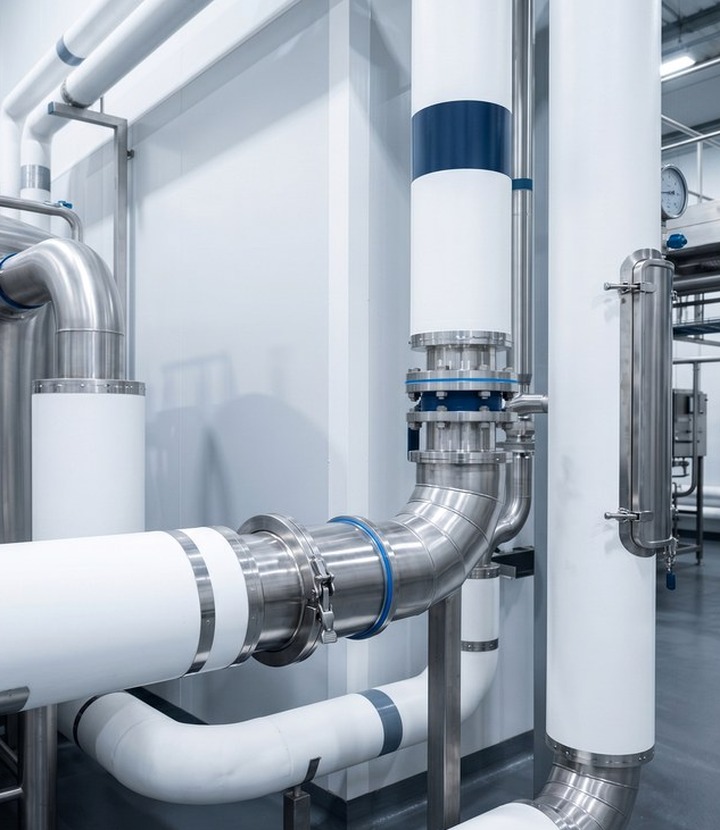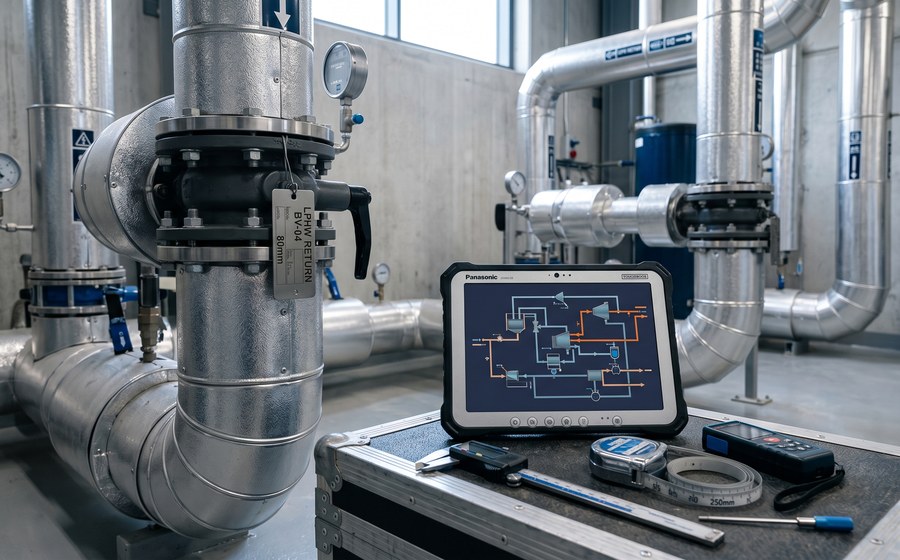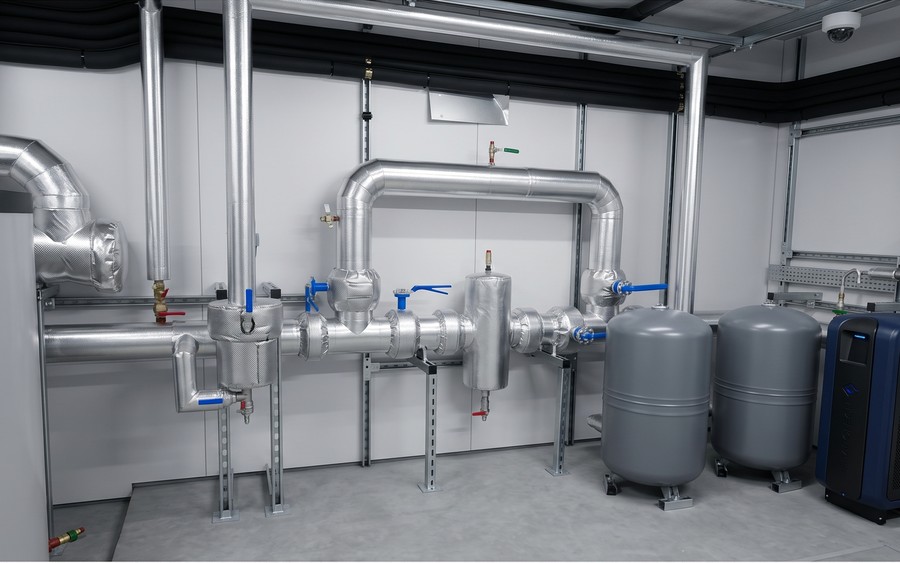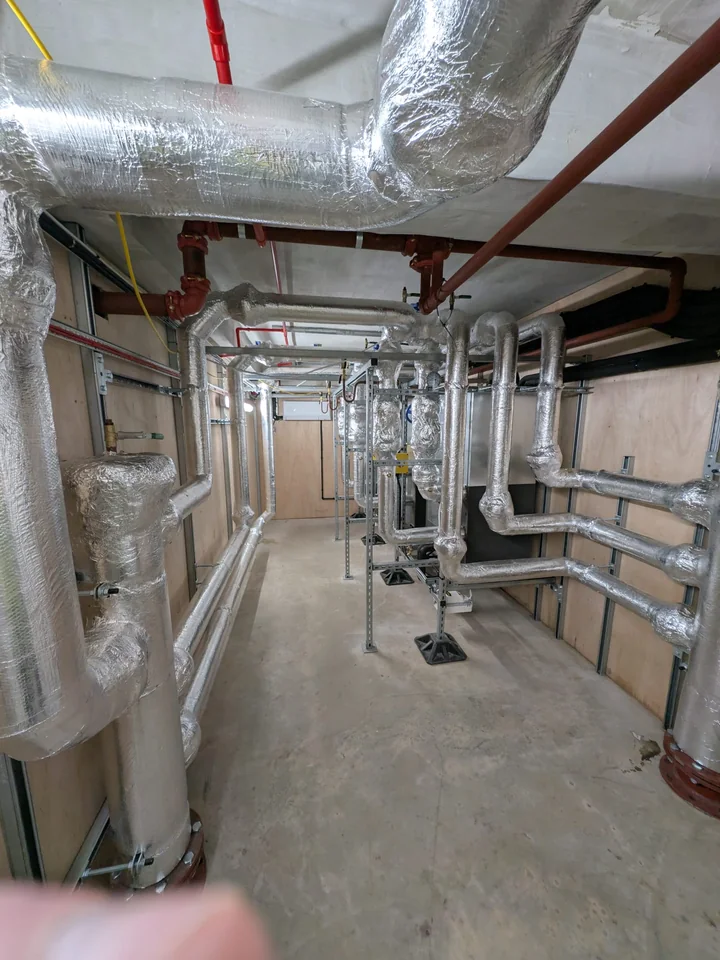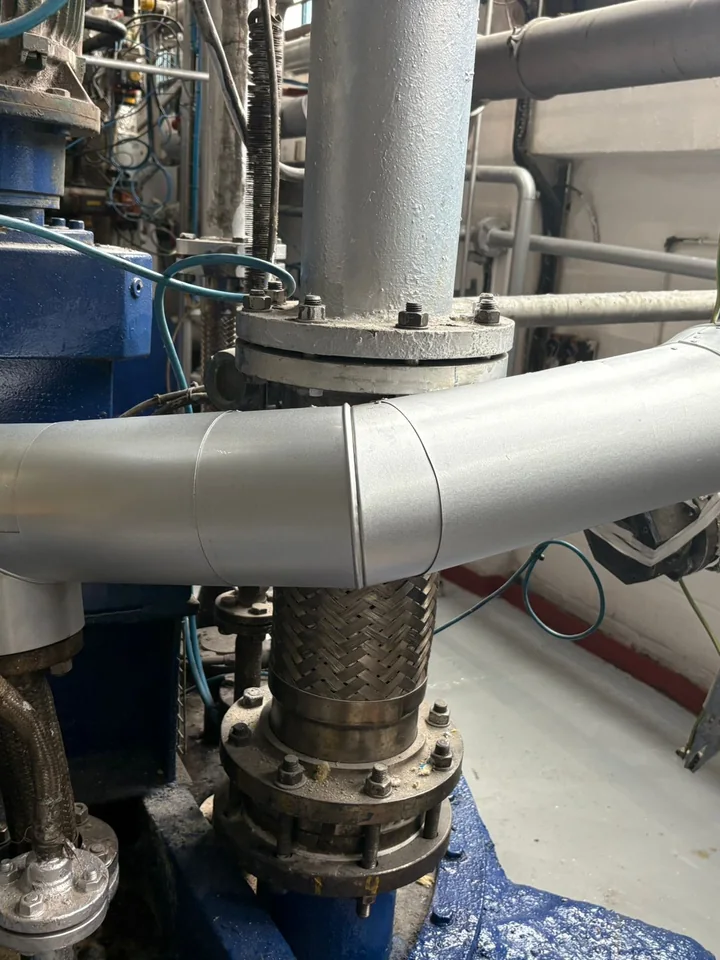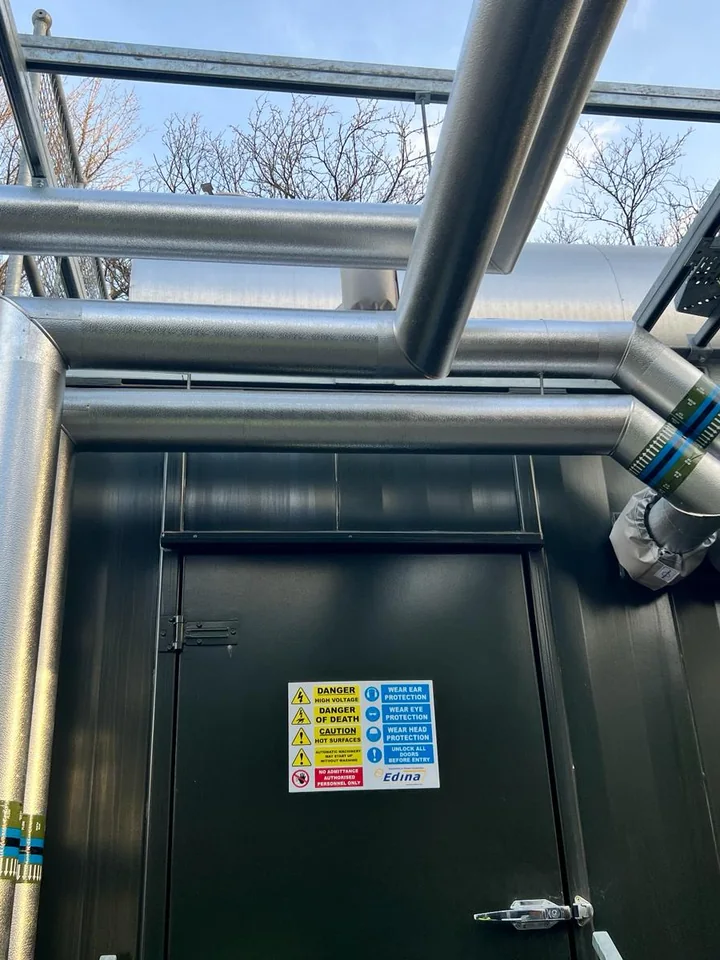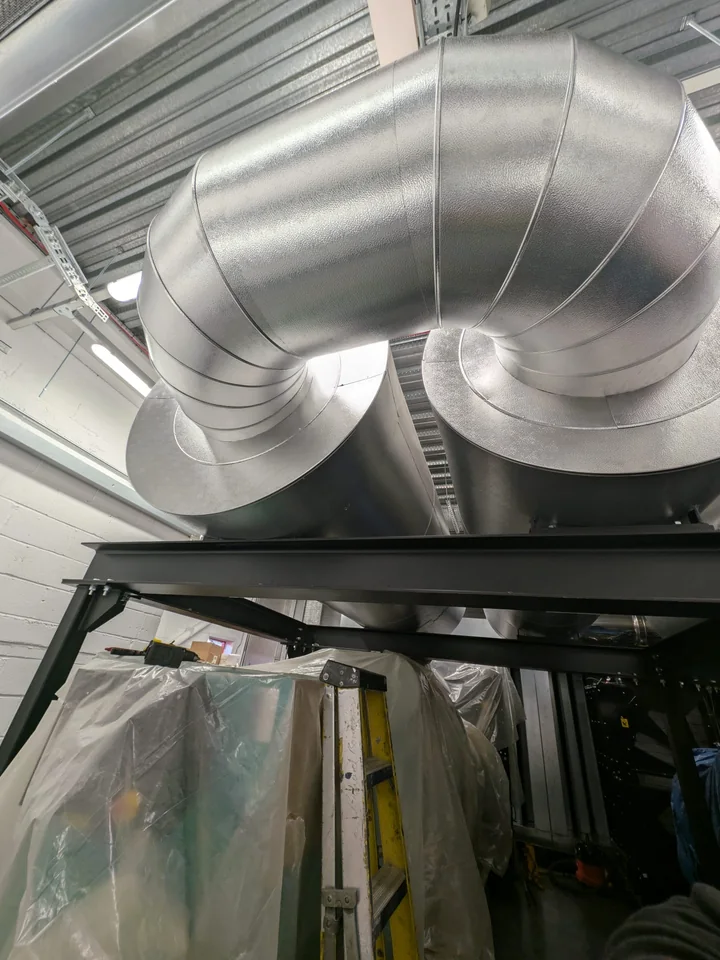

Food and beverage insulation often needs to balance temperature control, hygiene expectations, cleaning regimes and future access around the same service route. That makes the finish decision as important as the insulation itself.
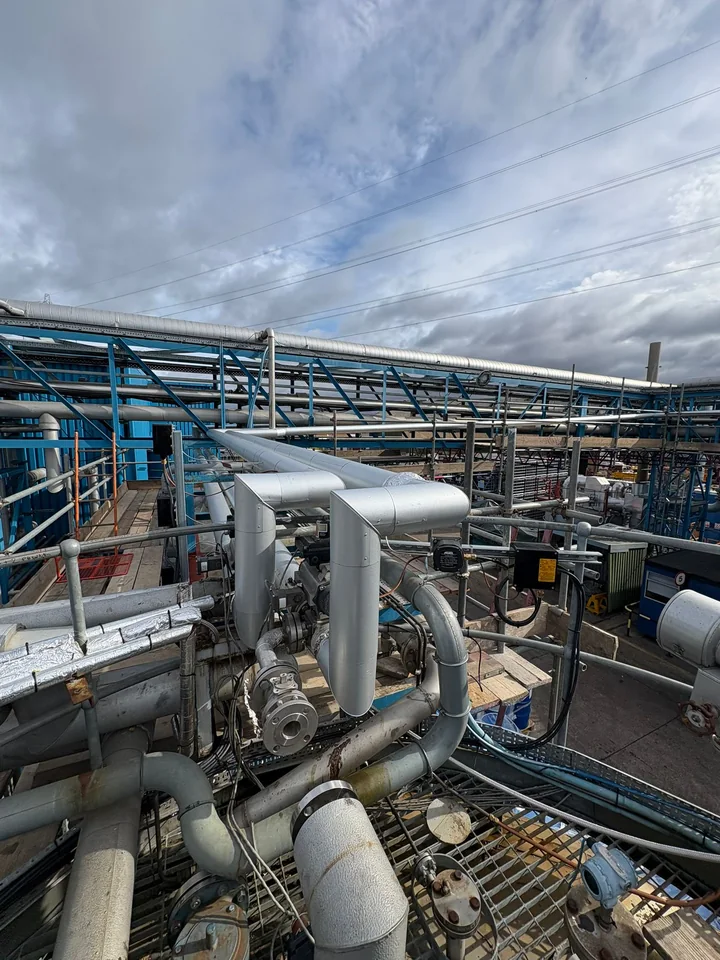
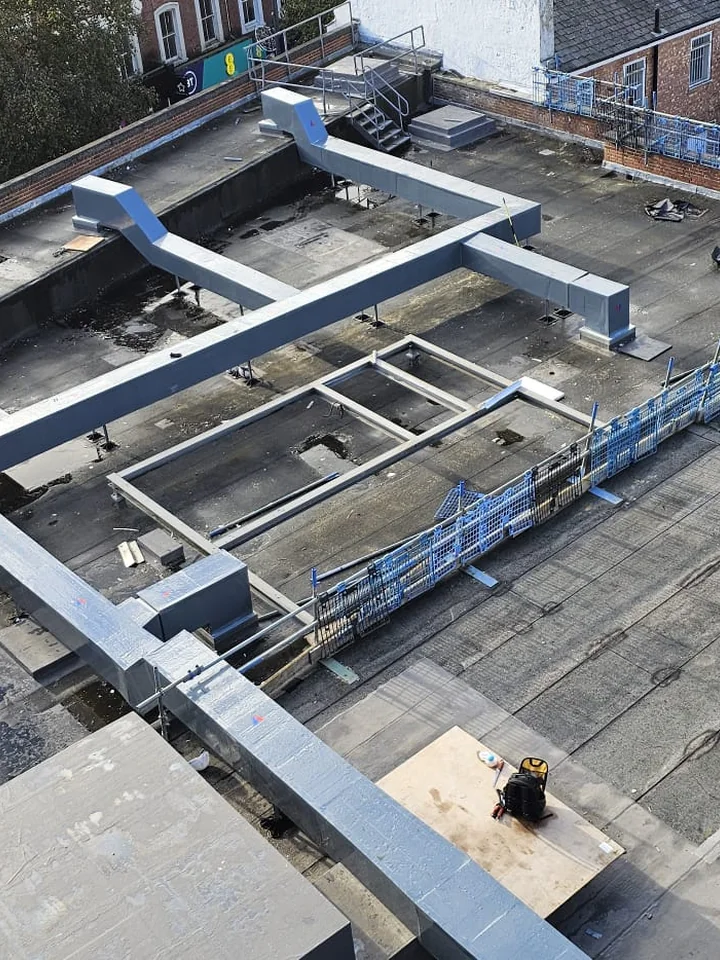
Enviroshield reviews plant rooms, chilled and heated services, exposed routes, wipe-clean finish needs and maintenance access before recommending insulation, trace heating, protective cladding or removable access detail for the environment.
Food & Beverage Insulation Planned Around Hygiene & Uptime
Production-support services in food environments often need cleaner, more practical detailing than standard commercial plant routes.
Hygiene-Sensitive Detailing
The insulation route can be reviewed around wipe-clean expectations, contamination risk and the practical cleaning standards required on site.
Production Uptime
Food and beverage facilities often need support planned around active production, shorter windows or controlled shutdown periods.
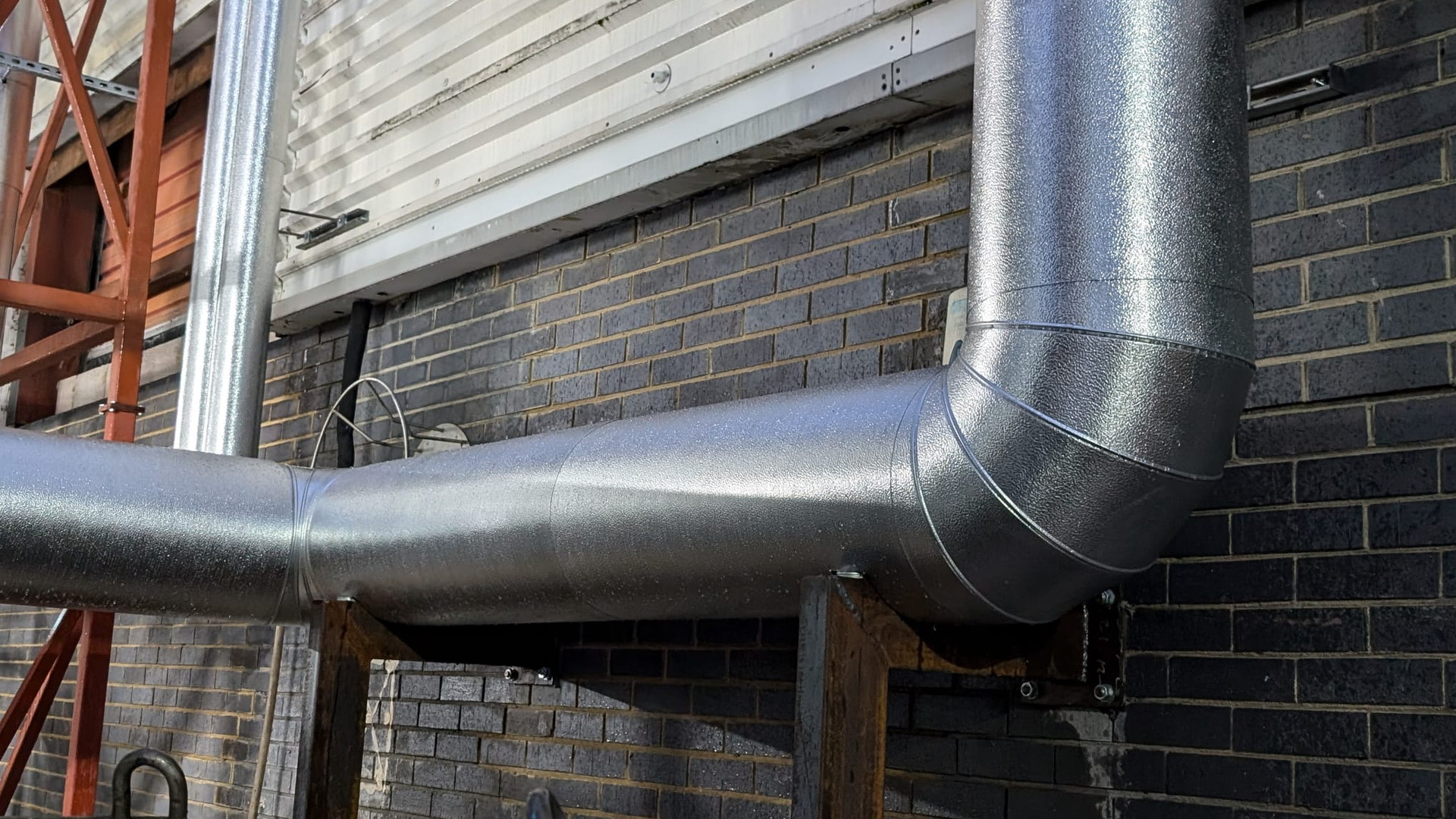
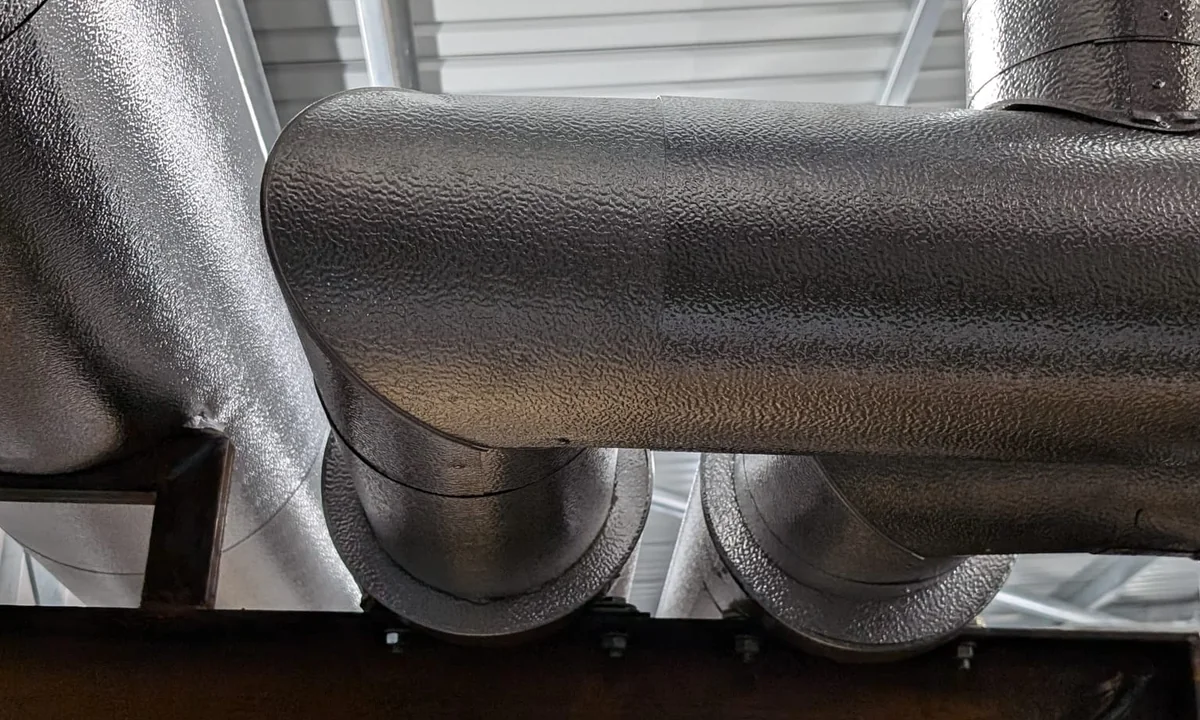
Wipe-Clean Finishes
Protective finish options can be reviewed where the environment needs cleaner surfaces, more resilient detail or easier washdown response.
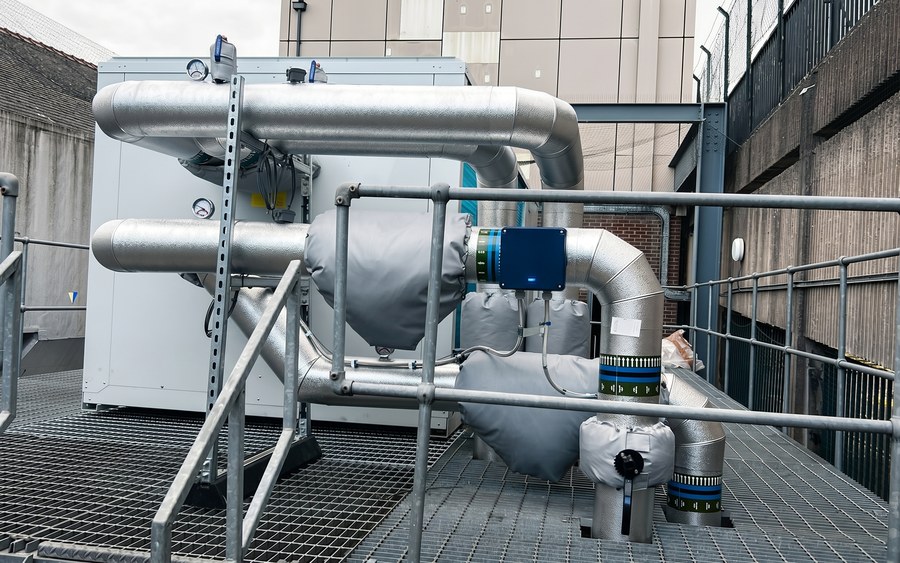
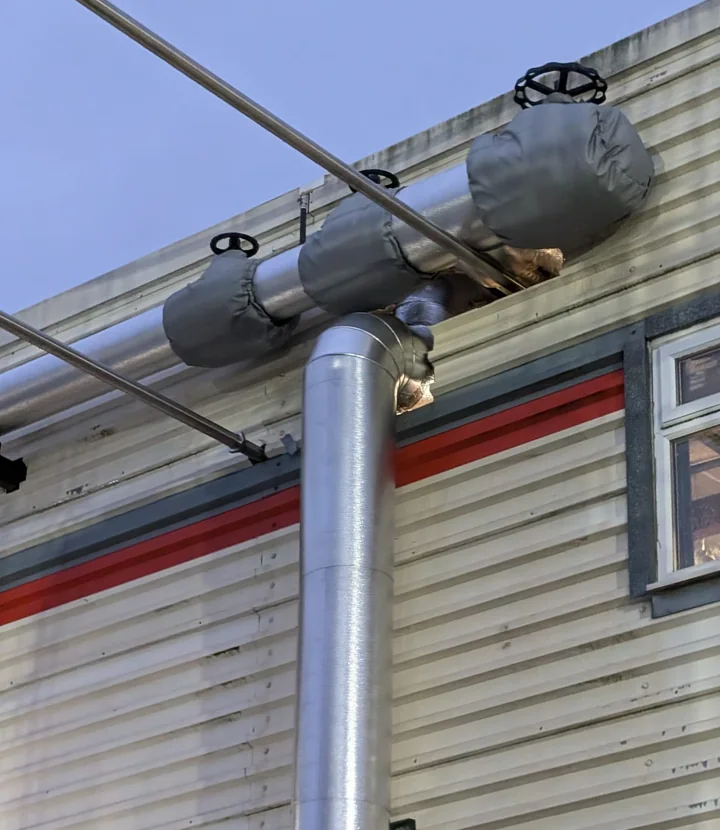
Access at Valves & Branches
Inspection points, valves and maintenance-critical components can still be kept usable where hygiene and access need to coexist.
What Food & Beverage Sites Usually Need
Food and beverage work usually depends on how hygiene, service temperature, cleanability and maintenance needs overlap on the same route.
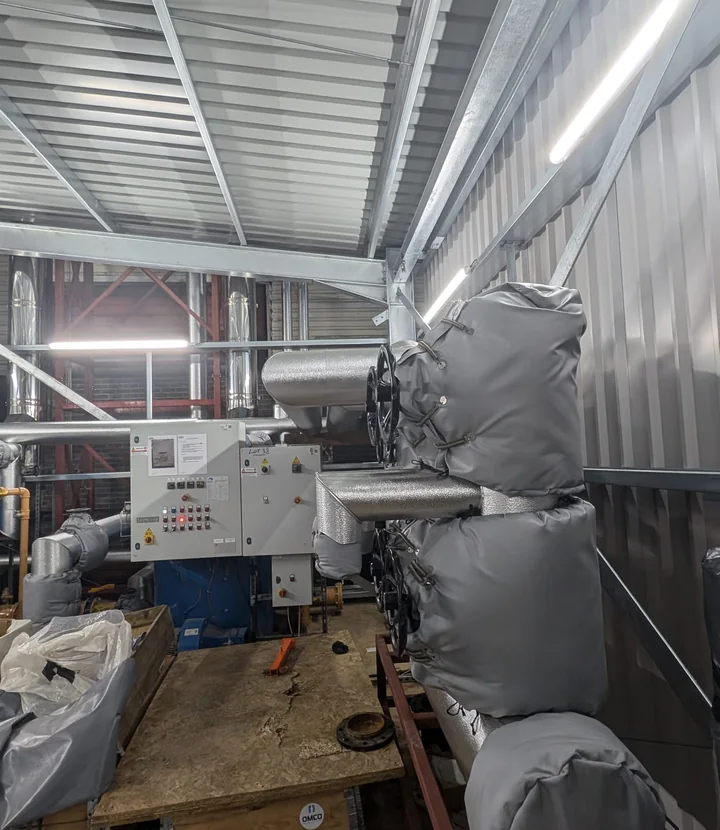
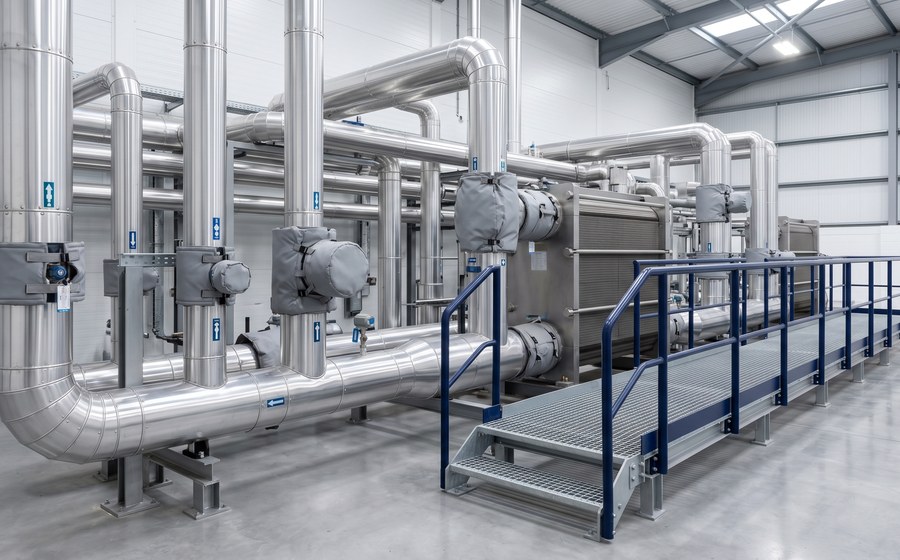
Production-Support Plant Rooms
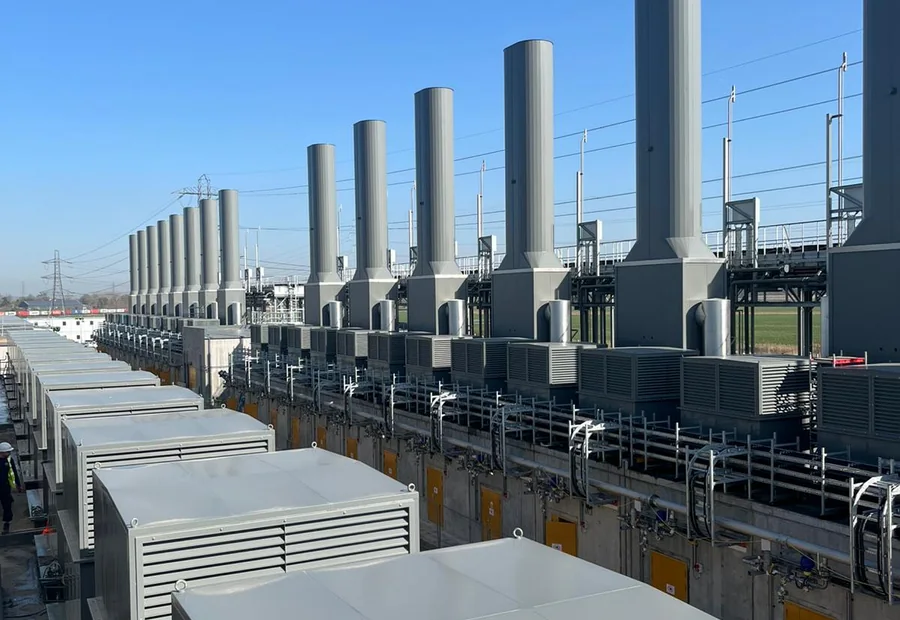
Support for service areas feeding process plant, packaging zones, kitchens or wider food and beverage infrastructure.
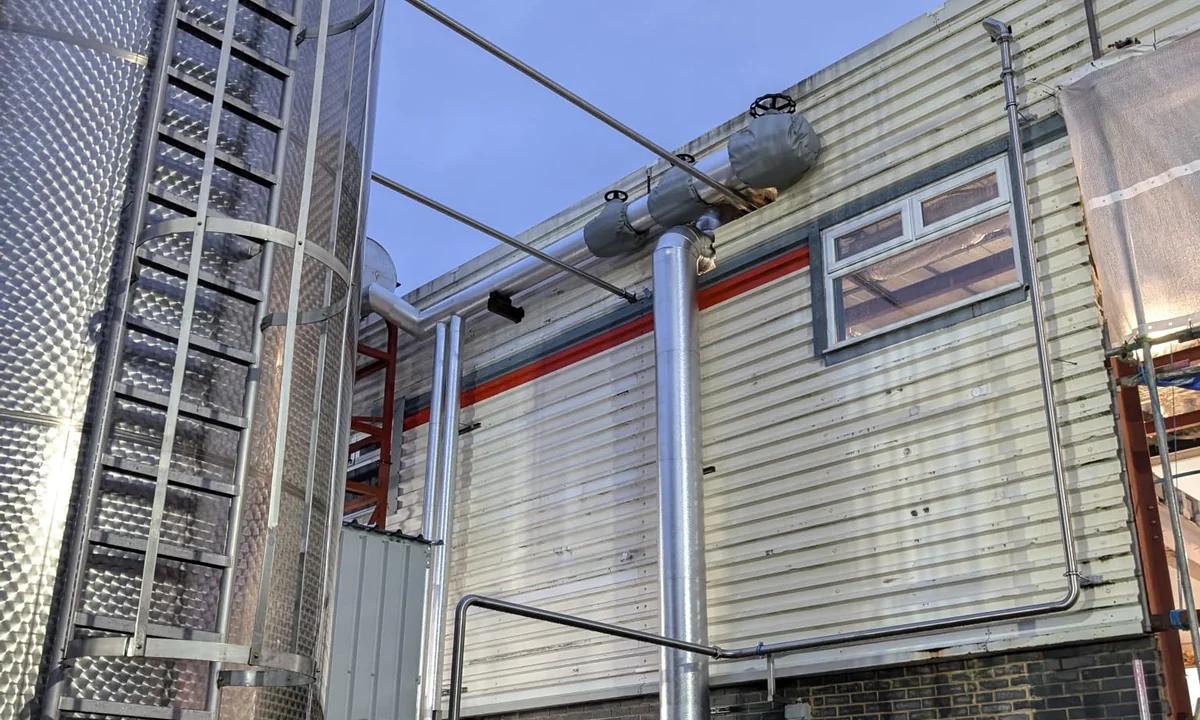
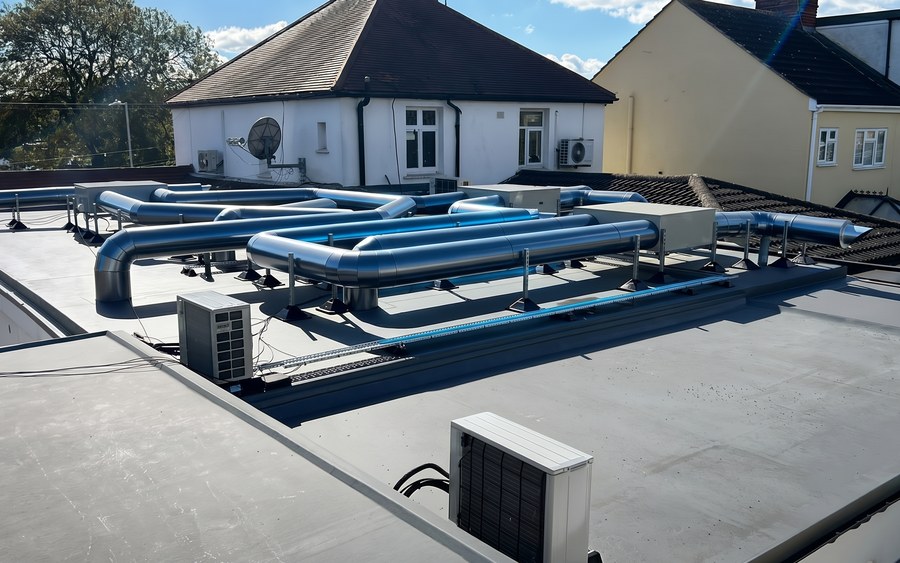
Hot & Chilled Service Routes
Food environments often combine heated and chilled routes that need different condensation, temperature and finish decisions across the same site.
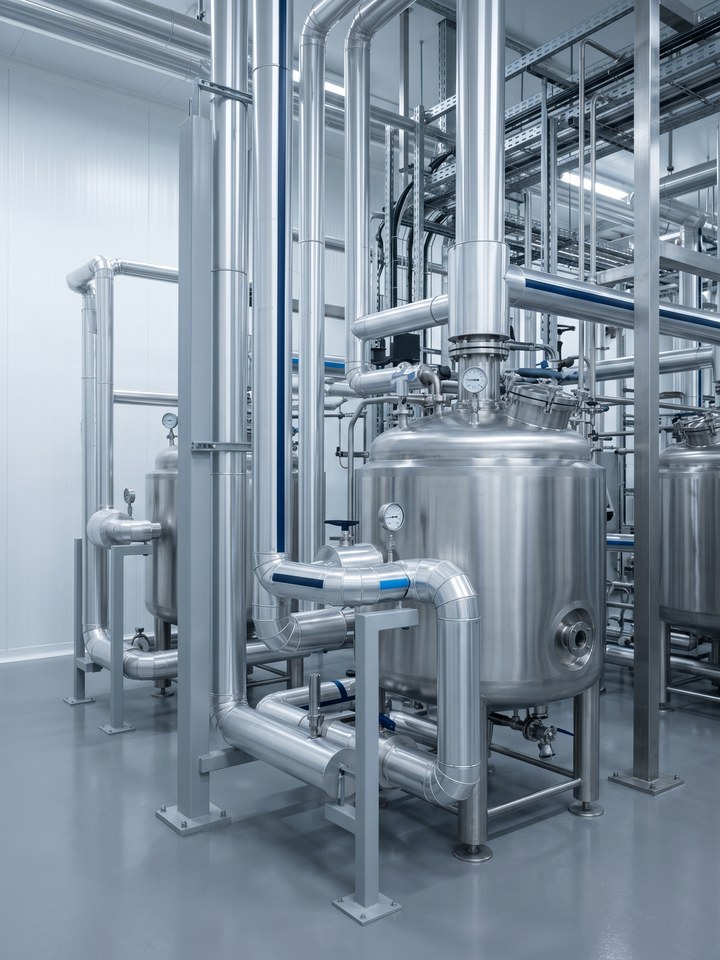
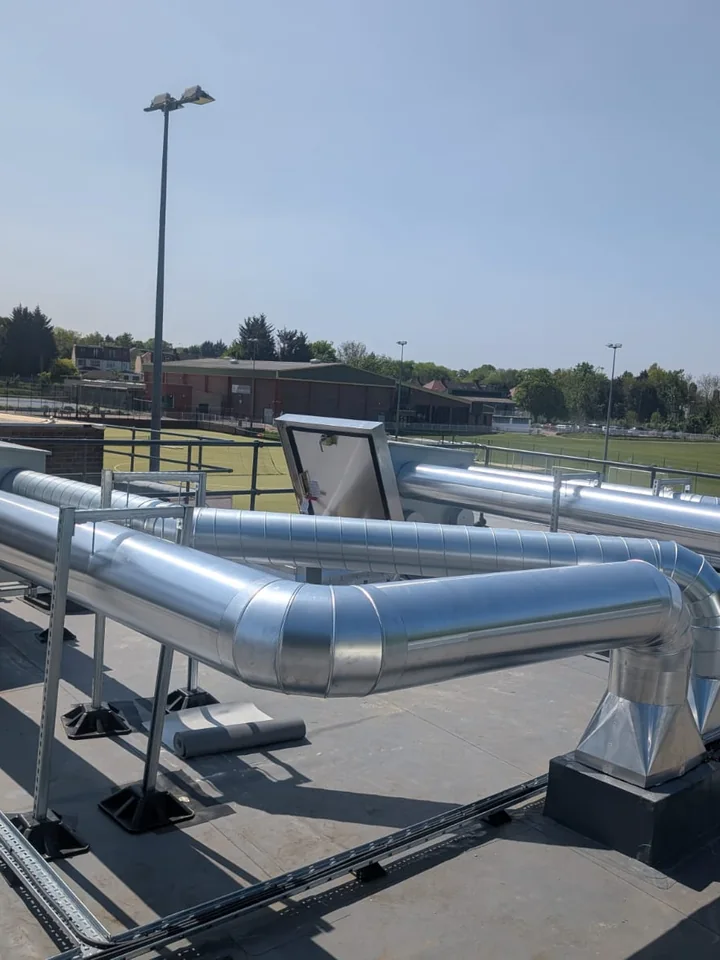
Wipe-Clean & Stainless Finish Options
Where hygiene matters, finish choices can be reviewed around cleanability, durability and how the route needs to be maintained in operation.
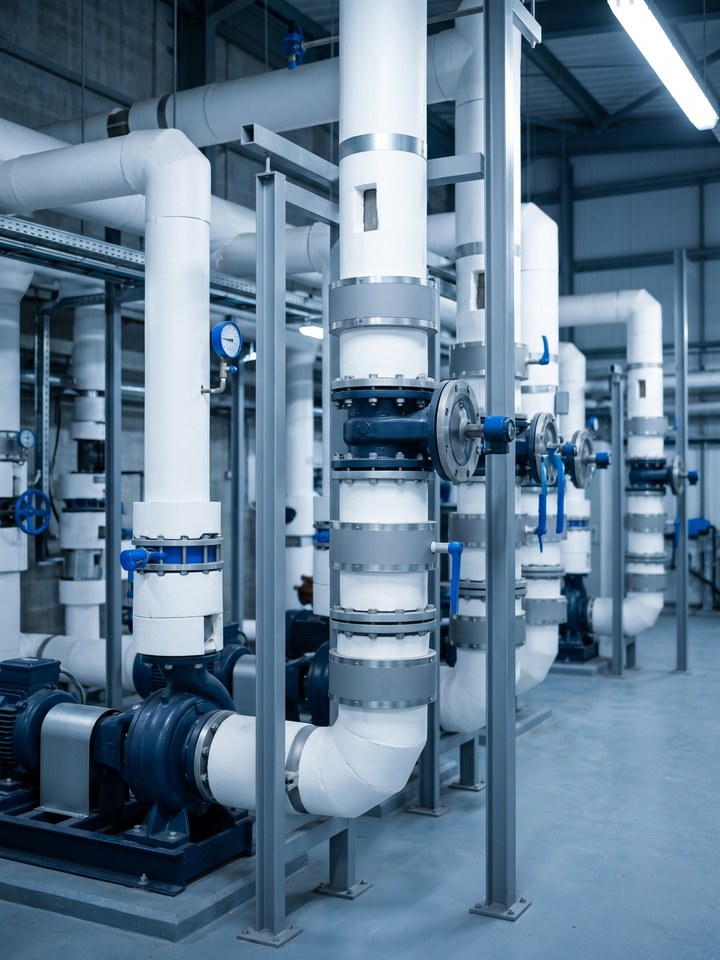
Removable Access at Key Components
Valves, flanges and inspection points can still be planned for practical maintenance access without giving up hygiene expectations.