

Good pipework insulation is not just choosing a thickness from a table. The route, service temperature, exposure, finish standard and maintenance regime all affect what should be installed and how long it will keep performing.
Start with the environment the pipework has to survive
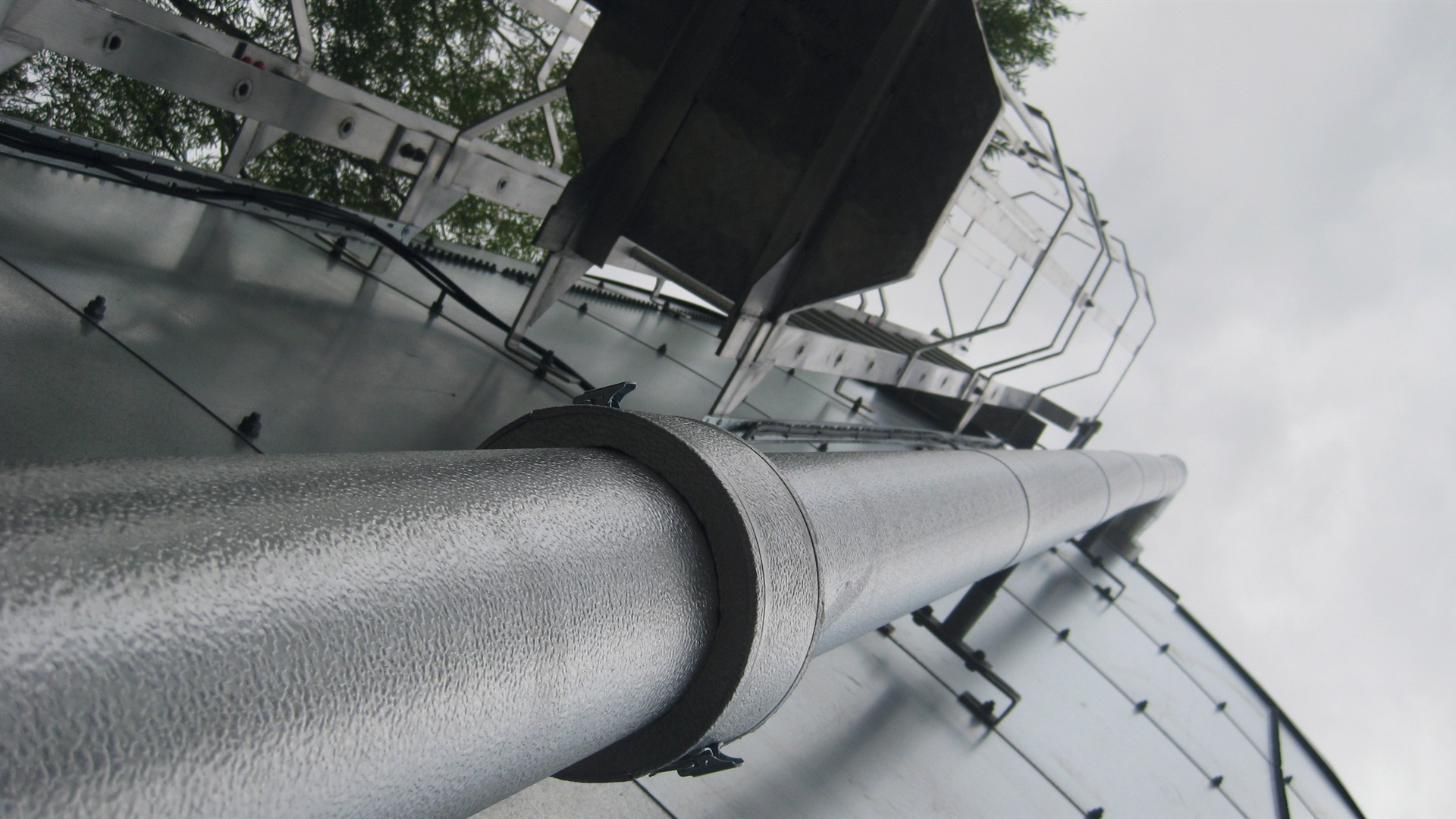
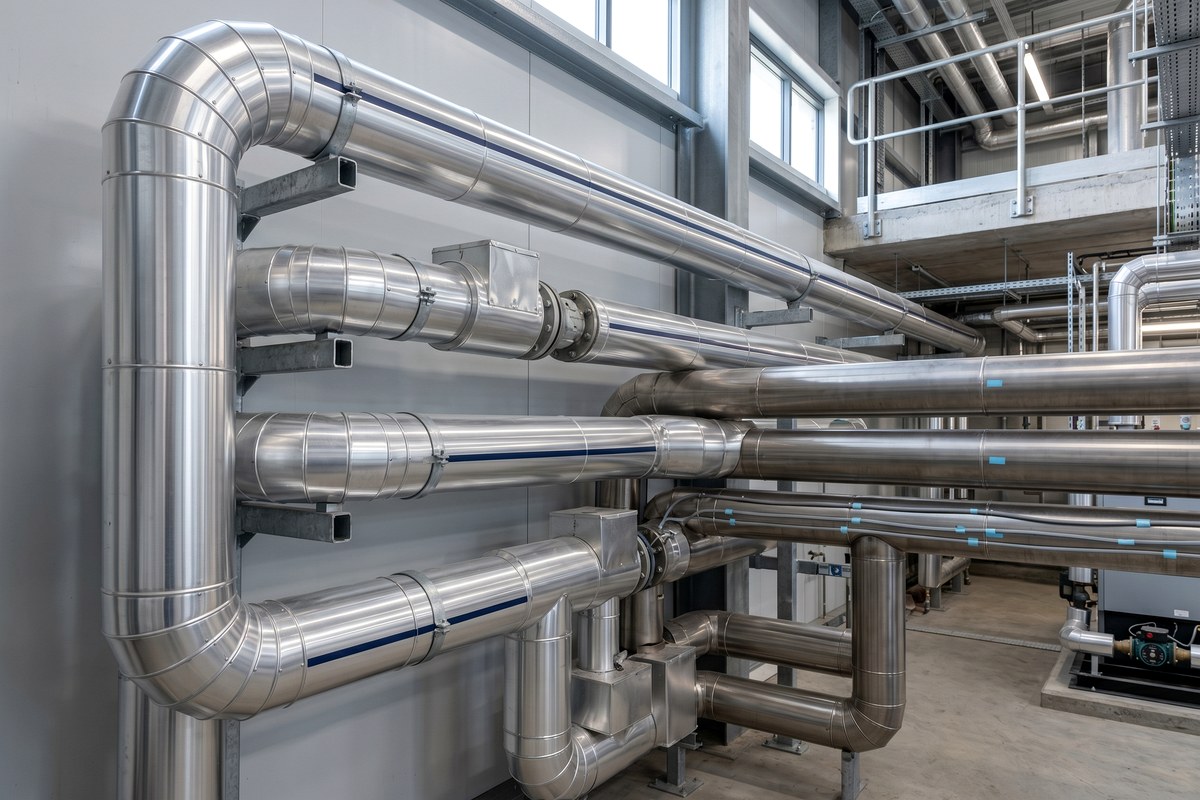
Internal ceiling voids, rooftop runs, plant decks and occupied service zones all demand different detailing. Enviroshield typically reviews the insulation build-up together with the outer finish, whether that means aluminium pipe cladding, stainless steel cladding or another protective layer suited to the environment. That avoids the common mistake of specifying insulation first and trying to fix durability later.
What to review before pipework insulation is specified
- Service temperatures, pipe diameters and whether the duty is heat retention, frost protection or condensation control.
- Internal versus external exposure and the need for weatherproof service cladding.
- Valve, flange and strainer locations that may need valve jackets or removable sections.
- Finish expectations in plant rooms, risers, roof zones and publicly visible areas.
- Whether trace heating, access platforms or phased installation affect the final detail.
The pipe route, access strategy and protective finish should be decided as one detail, not three separate trades.
Build a scope that still works after handover
Where pipework needs to stay serviceable, Enviroshield can combine fixed insulation with removable jackets and robust outer finishes so the route stays tidy after maintenance. For broader service upgrades, teams often review this page alongside trace heating advice and our pipework insulation service page before asking for costs.