
Good insulation still has one of the clearest sustainability cases on a working building or plant.
For many sites, the fastest route to lower carbon and better operating efficiency is not a complete rebuild. It is stopping unnecessary heat loss, protecting temperature-sensitive services and improving the condition of systems already being paid to run.
Net Zero
Support route
Energy
Loss reduction
What this page focuses on
How Enviroshield supports practical energy-loss reduction, sensible upgrade priorities and sustainability conversations that still stay rooted in site reality.
- Pipework, plant rooms, exposed services and damaged insulation routes
- Upgrade work that can support both operational efficiency and carbon goals
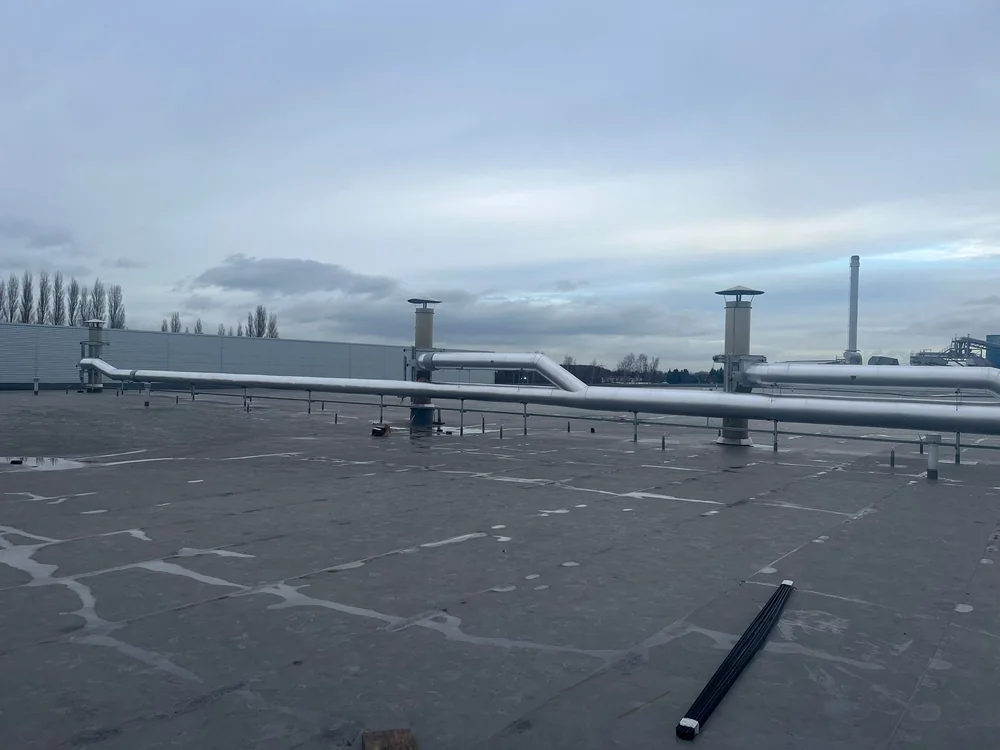
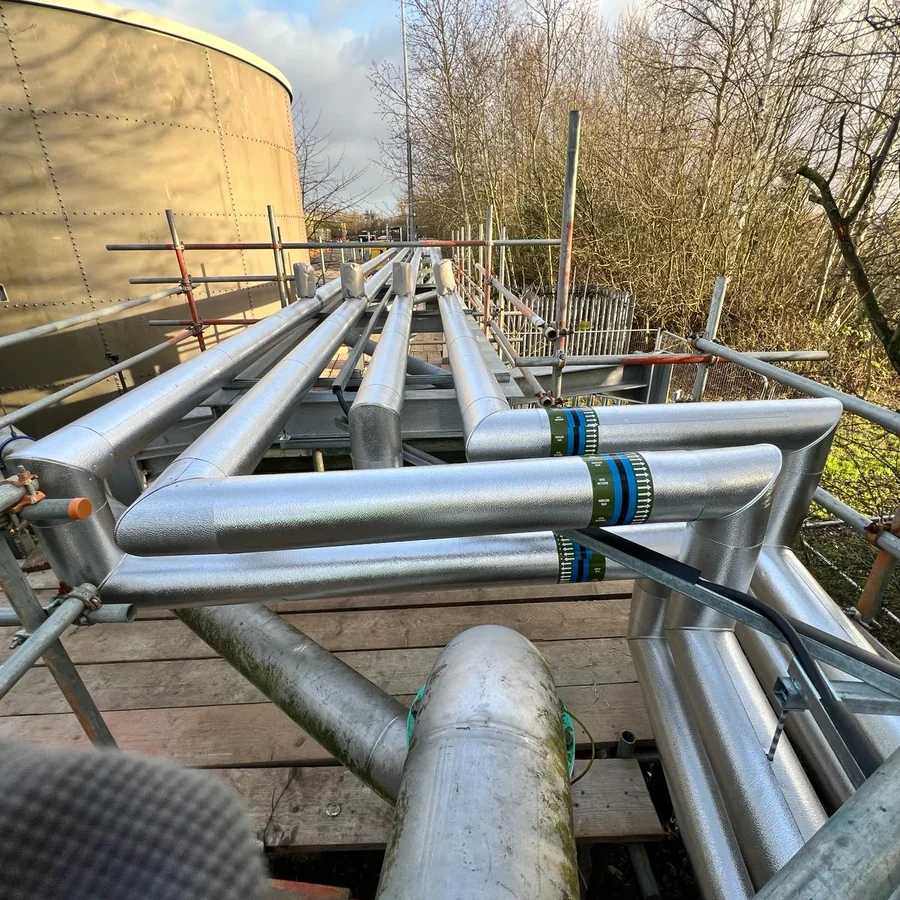

The strongest sustainability gain is often the simplest one to understand.
When insulation is reviewed properly, the conversation becomes straightforward: where is heat being lost, where are services exposed, where is plant working harder than it should, and what finish will protect the result over time?
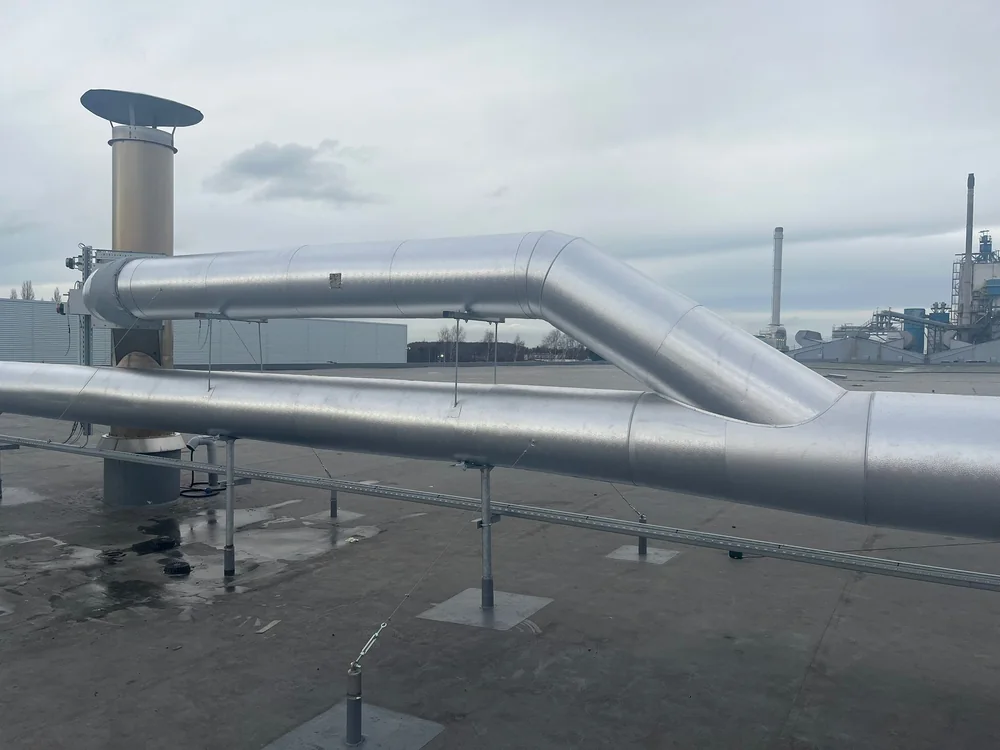
Net Zero Support
Reduce avoidable losses before they become normalHeat-Loss Reduction
Insulation upgrades and repairs can reduce the amount of paid-for heat escaping from pipework, vessels and plant-room services.
Lower Energy Waste
When systems retain temperature more effectively, plant and distribution services can operate with less wasted energy built into normal operation.
Waste-Aware Delivery
Practical sustainability also means orderly material handling, protection of finished sections and avoiding needless waste through remedial rework.

Want the numbers behind the logic? Explore thermal insulation payback
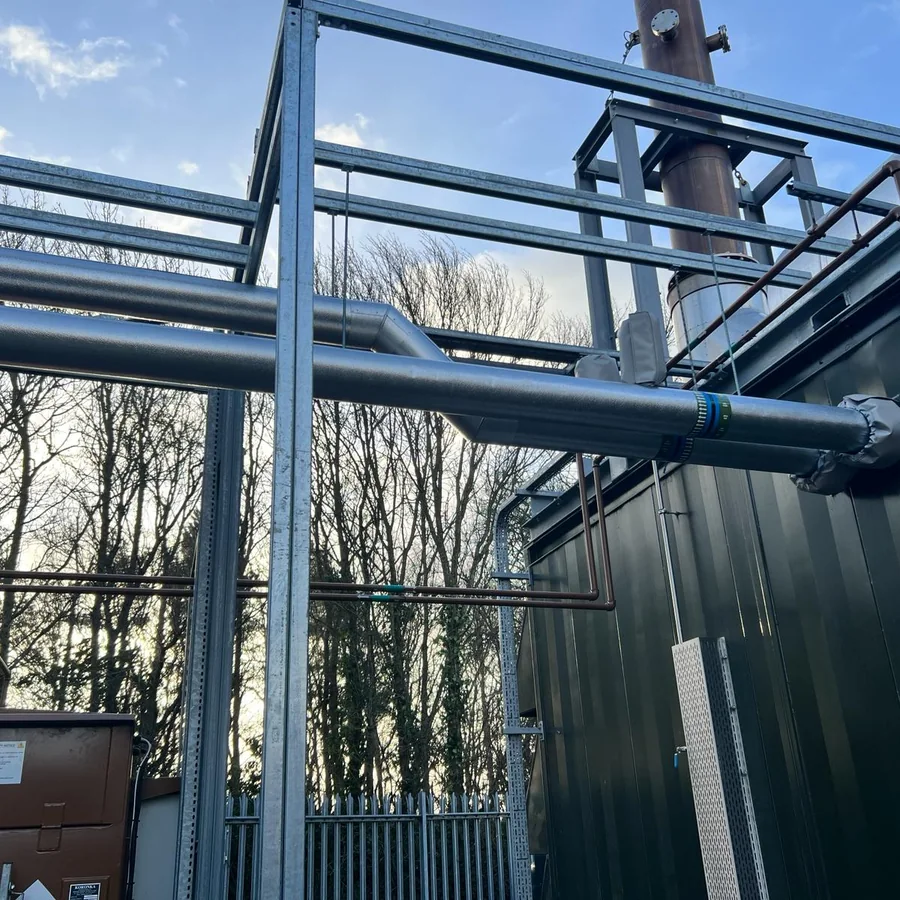
The value comes from performance on site, not just from policy wording.
Enviroshield's sustainability thinking is tied to operational reality: better thermal performance, longer-lasting finishes and more disciplined site behaviour that avoids waste and protects finished work.
Operational Improvement
Insulation helps site teams reduce avoidable thermal losses from hot services and protect temperature-sensitive systems more effectively.
Durable Finishes
A finish that is properly protected and sensibly detailed is more likely to hold its performance value after the project team leaves site.
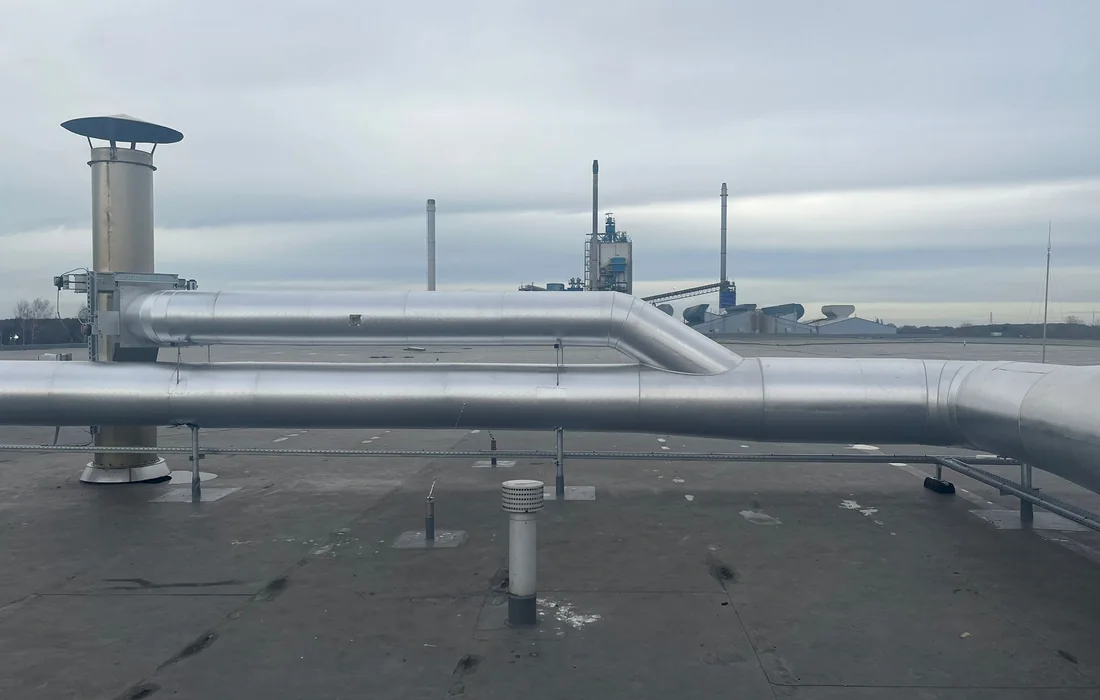
Selective Upgrade Priorities
Project teams can often target exposed valves, vessels, pipework and plant-room sections where the performance return is most visible.
Site Waste Awareness
Orderly storage, sensible cutting, protection of finished work and reduced remedial activity all support a more considered delivery approach.
Enviroshield
Smarter insulation work can support both operating efficiency and carbon goals.
The sustainability case becomes easier to defend when the work clearly targets wasted energy, protects the finished result and leaves the site with a more durable thermal package.
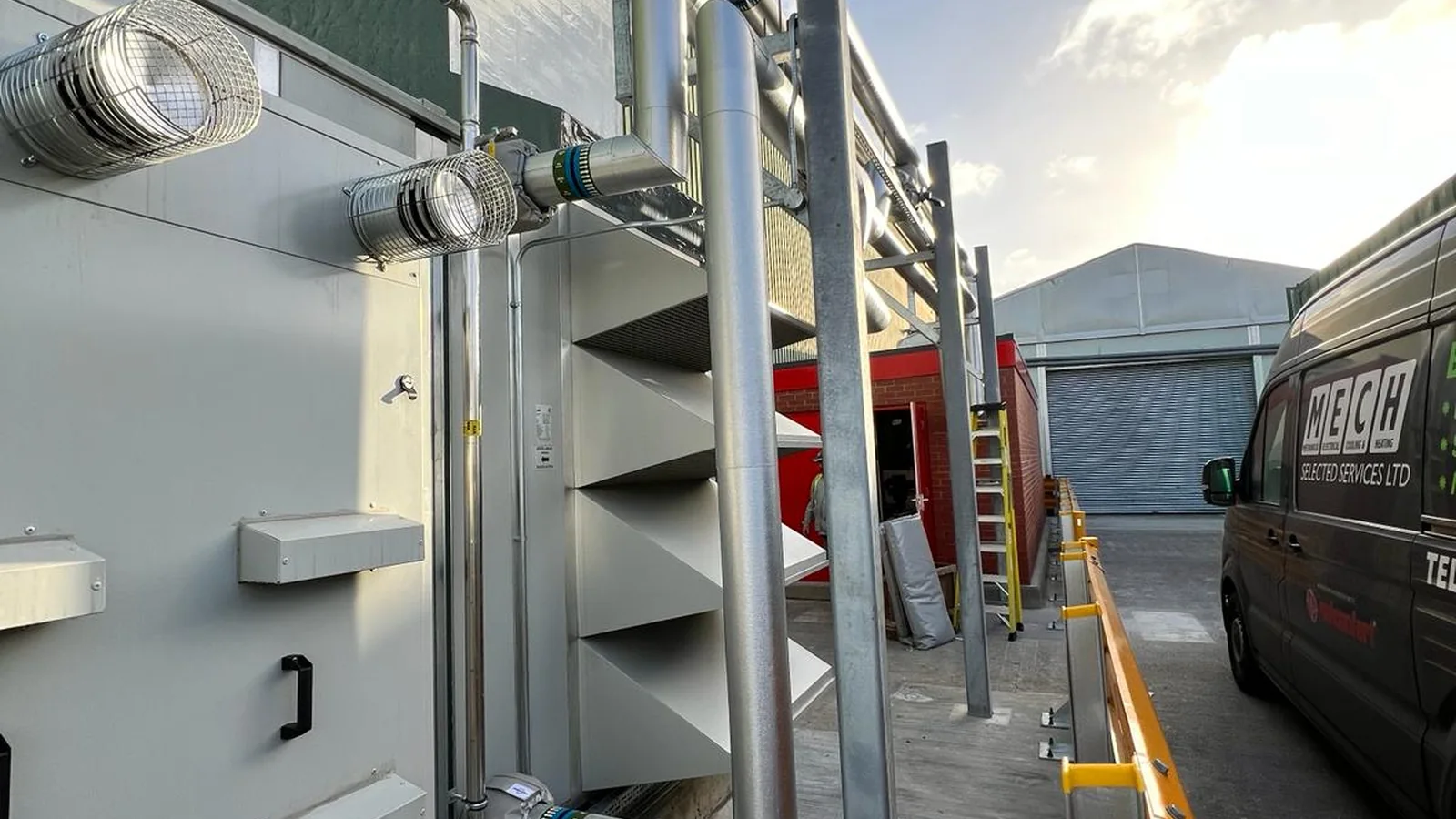
Lower Wasted Energy
Reducing unnecessary thermal losses can improve the operating efficiency of services already in use across the site.
Longer-Lasting Value
Protected, well-finished insulation is less likely to lose its performance benefit quickly through damage or poor detailing.
Stronger Carbon Story
When heat loss and waste are addressed properly, insulation gives project teams a grounded and credible sustainability improvement to point to.

Looking at heat-loss reduction or plant efficiency? Explore energy efficiency support
The practical areas where insulation can support a better result.
Sustainability is easier to understand when it is linked to visible site priorities rather than treated as a vague promise.
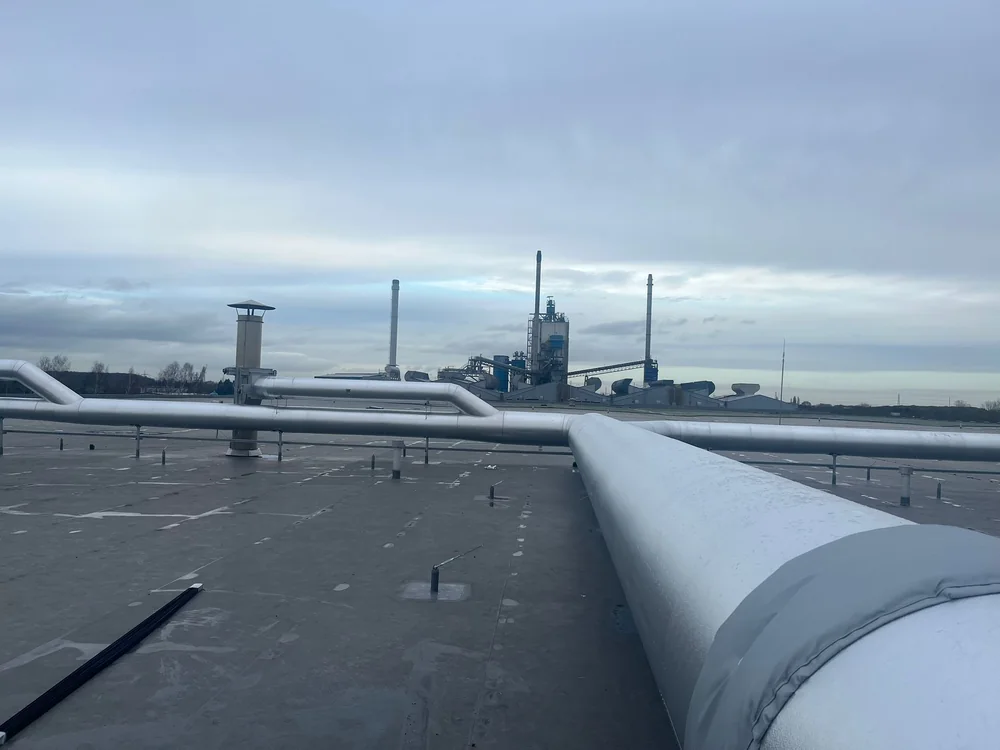
Pipework & Services
Target avoidable heat loss
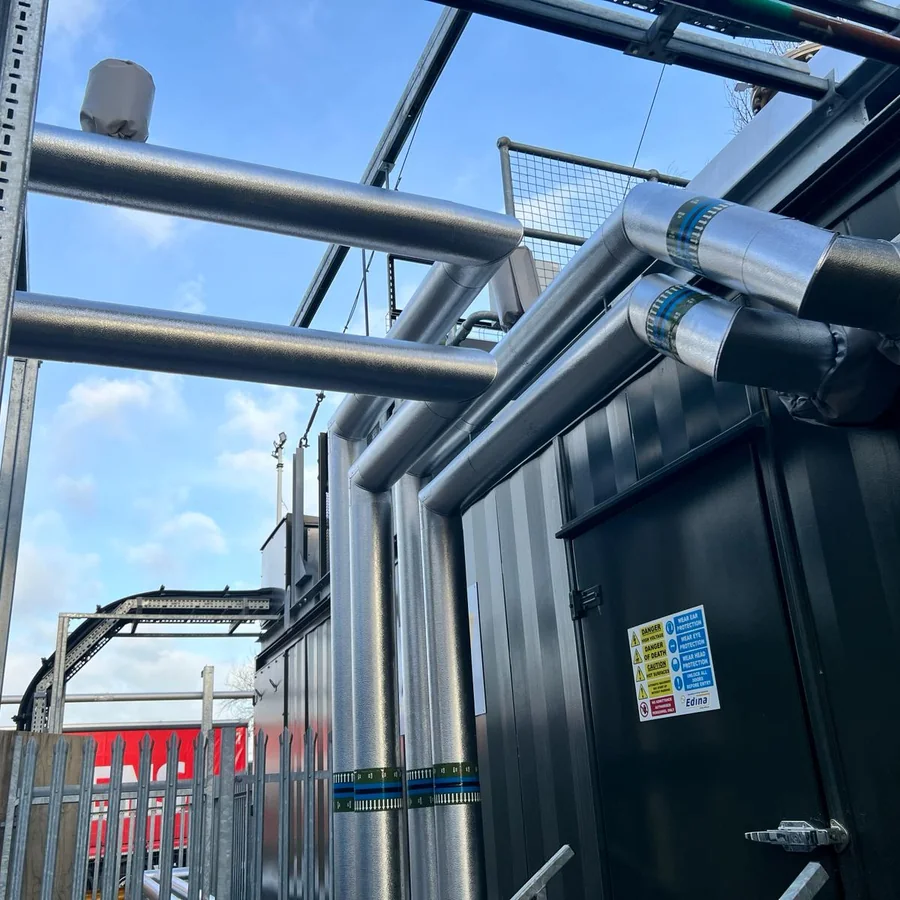
Plant Rooms
Improve real operating conditions
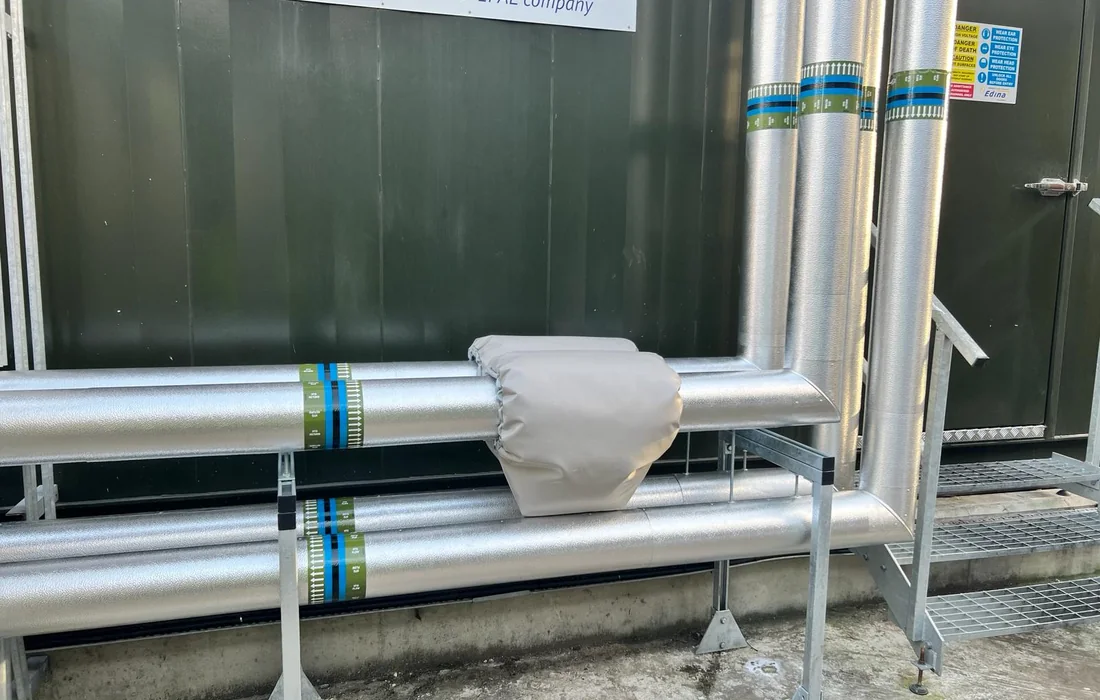
Protective Finishes
Help the thermal package last
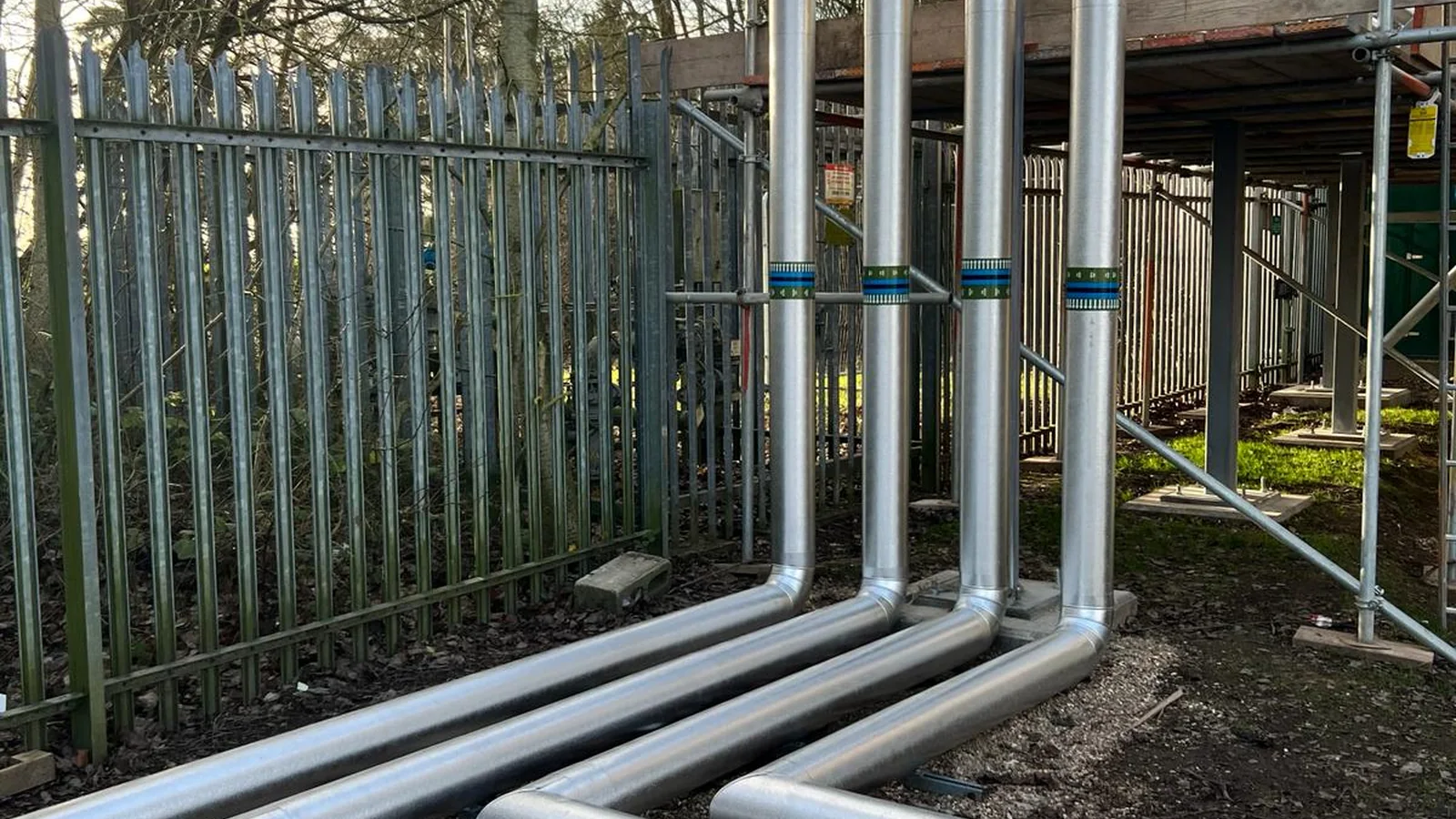
Site Delivery
Reduce unnecessary waste on the route
Need the commercial case as well? See energy-efficiency support
Clear answers about insulation, energy waste and practical sustainability.
Useful information for teams looking at carbon reduction, plant performance and real-world operational efficiency rather than headline claims alone.
Well-considered insulation reduces avoidable heat loss and energy waste, which can lower the operating demand placed on plant and services. That practical reduction in wasted energy is often one of the fastest ways to support carbon reduction on existing systems.
On many sites, the biggest opportunity is not a headline technology change but a basic reduction in wasted energy from exposed or underperforming pipework, valves, vessels and plant-room services.
A durable, well-fitted finish helps protect the insulation layer, reduces premature damage and makes it more likely the energy-saving benefit will still be there after the project team has left site.
Yes. Practical sustainability also includes orderly material use, sensible offcut control, protection of finished work and site behaviour that avoids unnecessary waste or repeated remedial activity.
A survey helps identify where heat loss, exposed services or damaged finishes are undermining performance so the work can be directed towards the areas with the clearest operational value.
Ready to discuss your project?
Speak to Enviroshield about insulation, trace heating, cladding or jacket requirements.