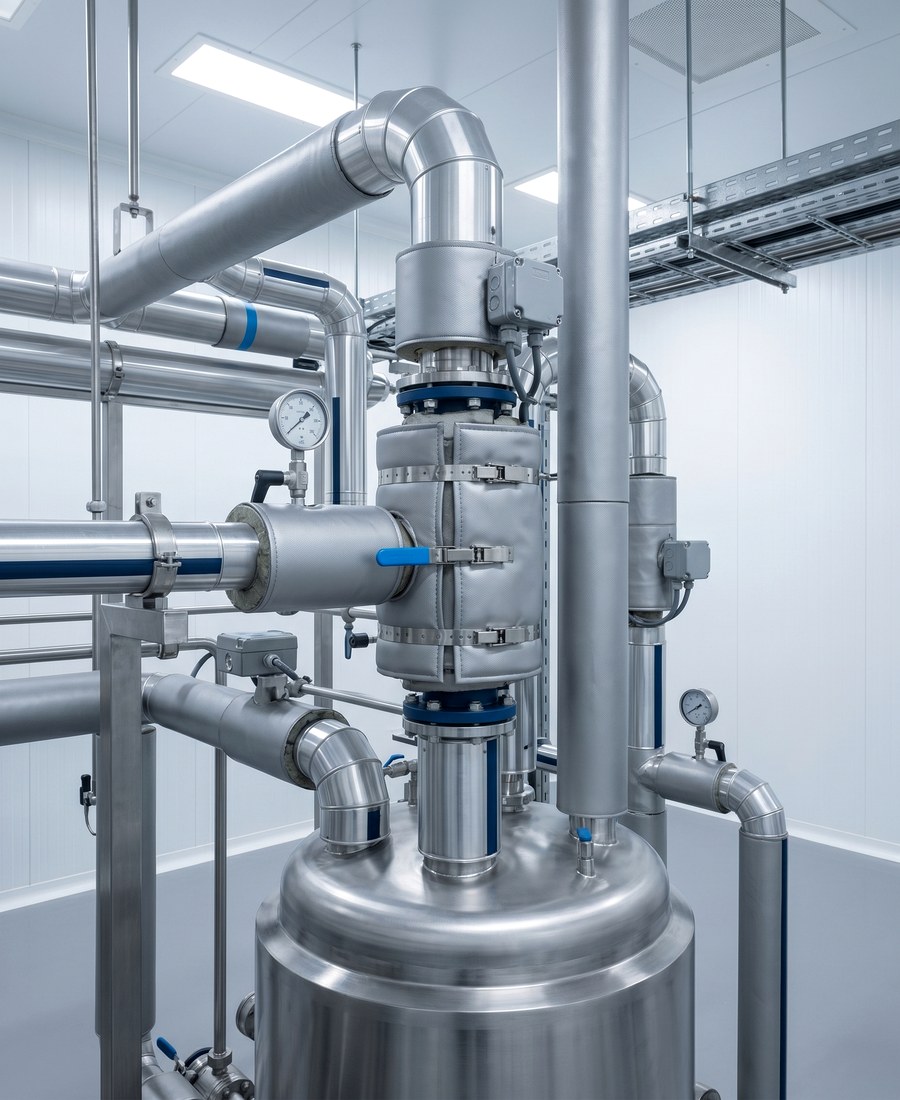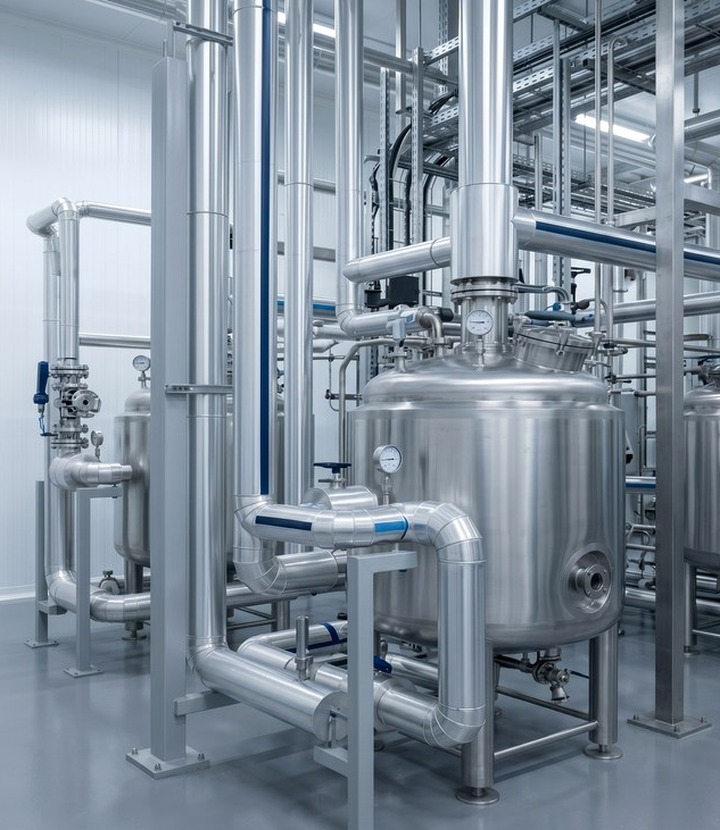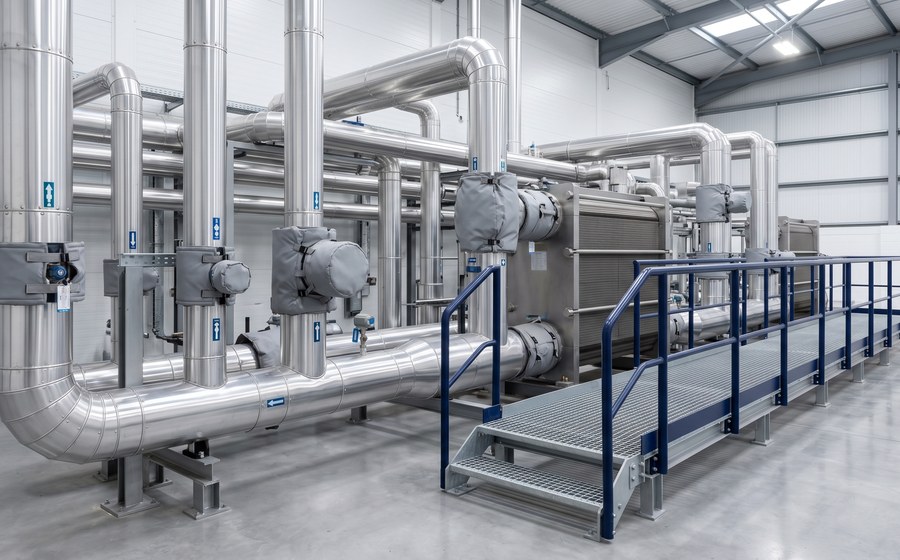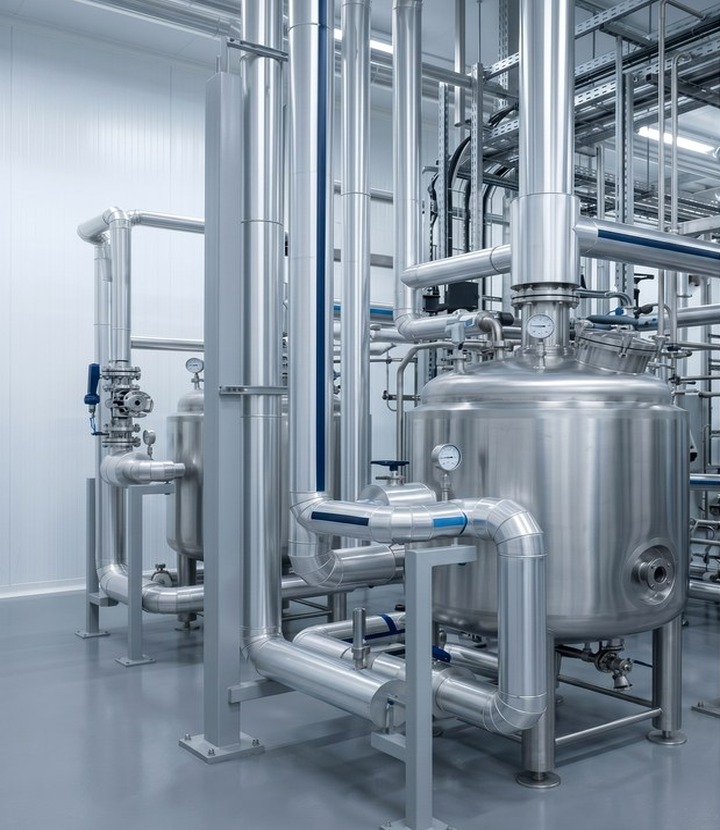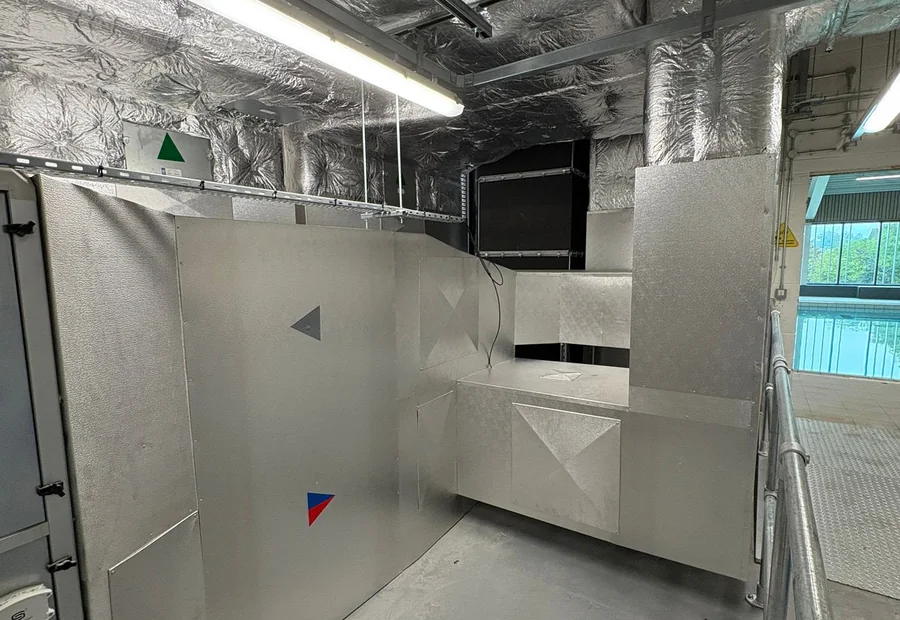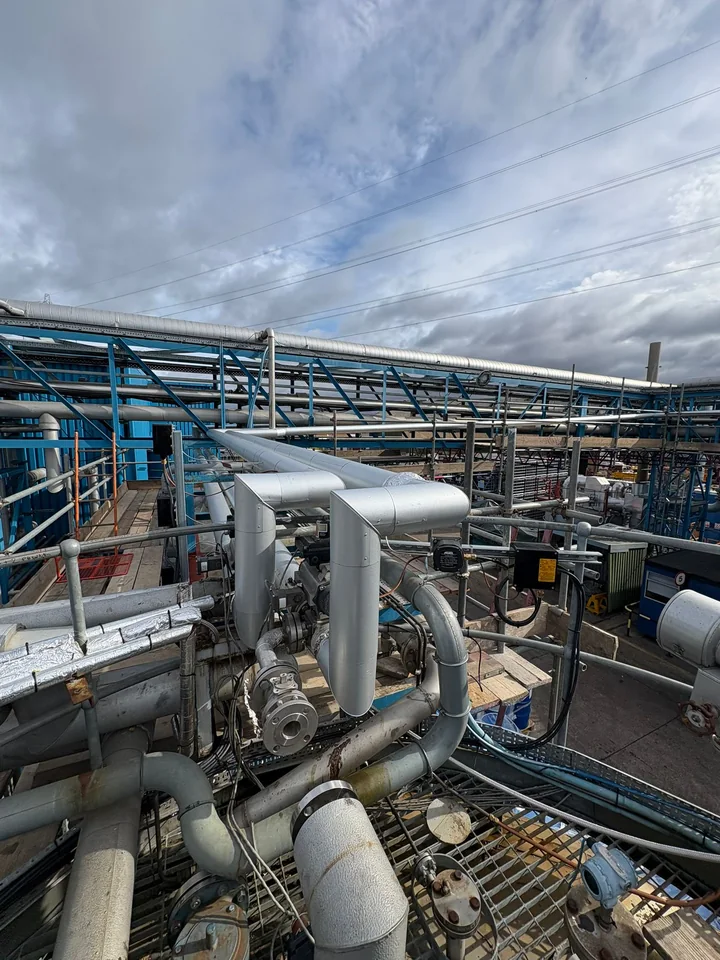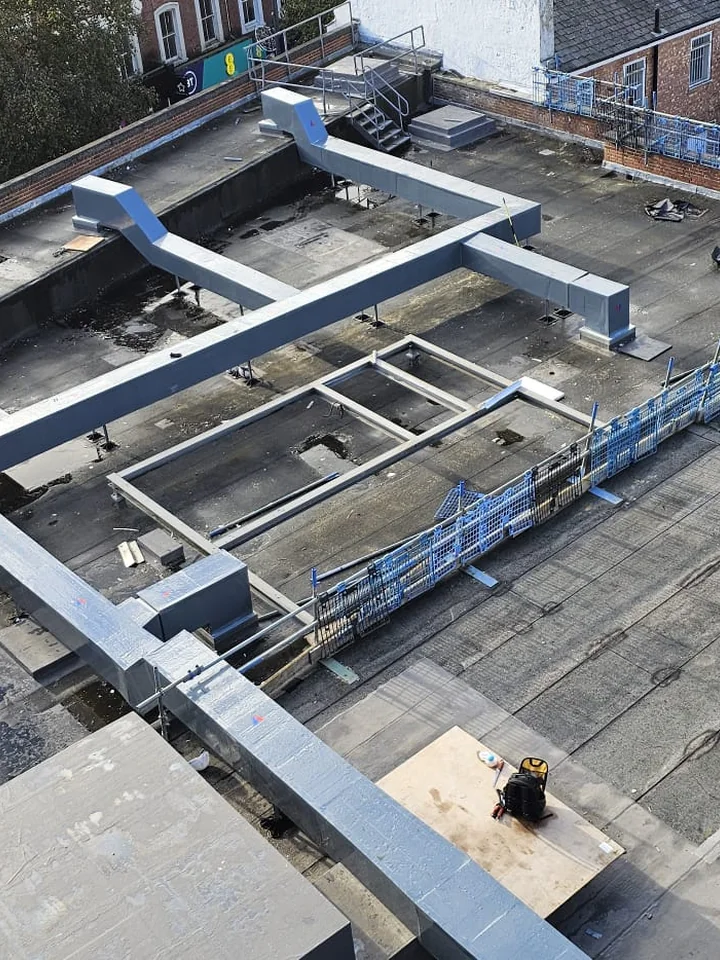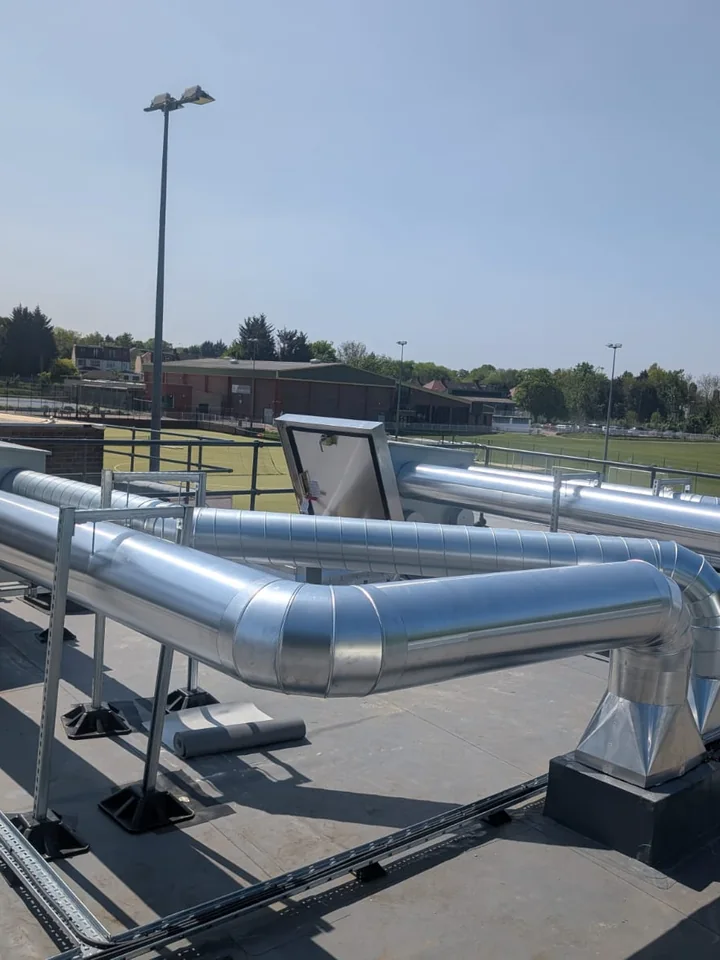

Pharmaceutical and chemical insulation often sits in controlled, high-value environments where cleanability, corrosion resistance, external exposure and future maintenance access all need to coexist on the same service route.
Enviroshield reviews plant rooms, process-support routes, weather-exposed services, trace-heating needs and finish expectations before recommending insulation, cladding or removable access detail suited to the environment.
Pharmaceutical & Chemical Insulation Planned Around Controlled Sites
Controlled process buildings and chemical environments usually need more disciplined detail than a standard plant-room package.
Controlled Environments
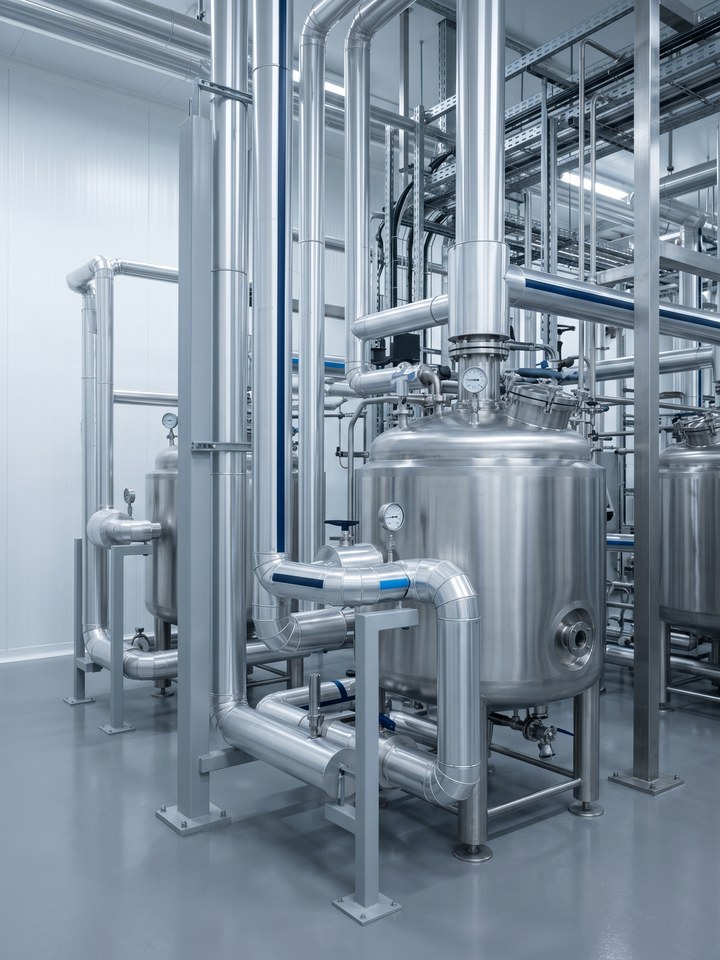
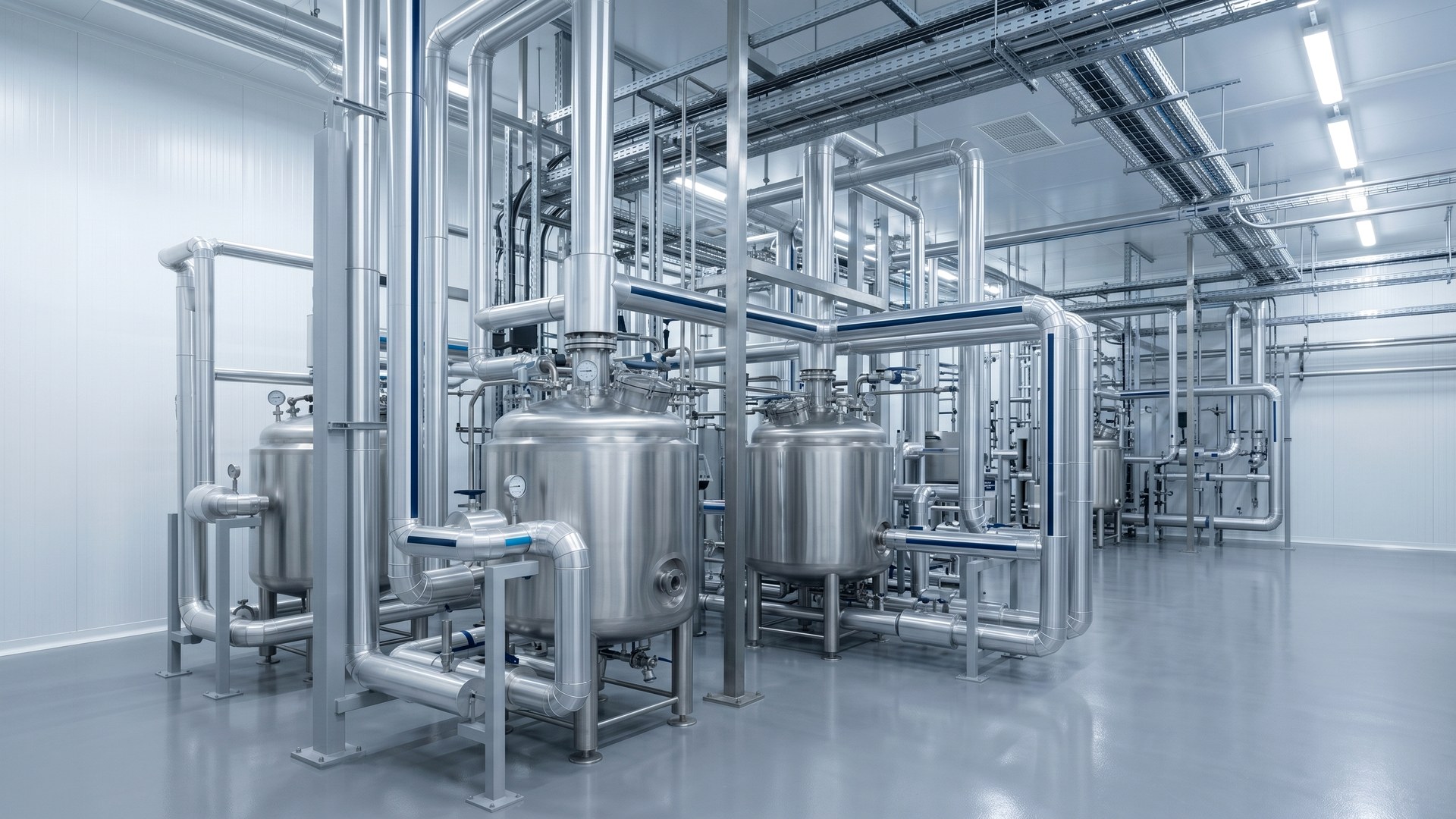
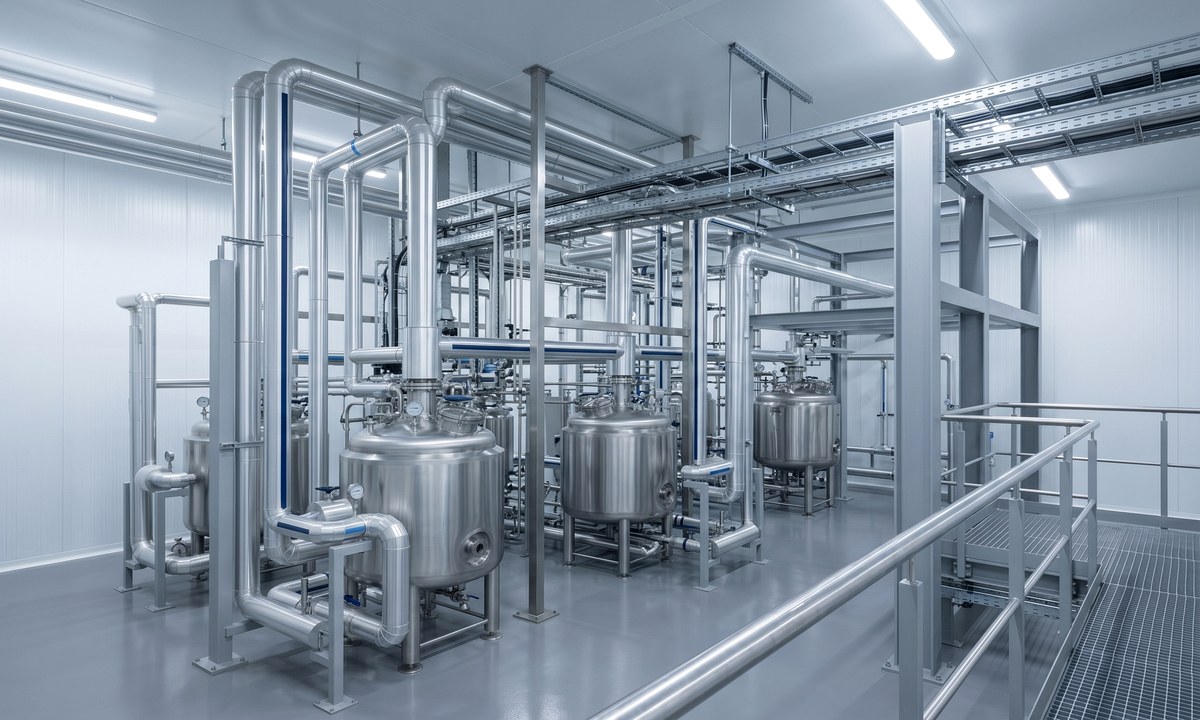
Insulation work can be reviewed around cleaner plant areas, controlled rooms, compliance pressures and the practical restrictions that come with higher-value process buildings.
Finish Discipline
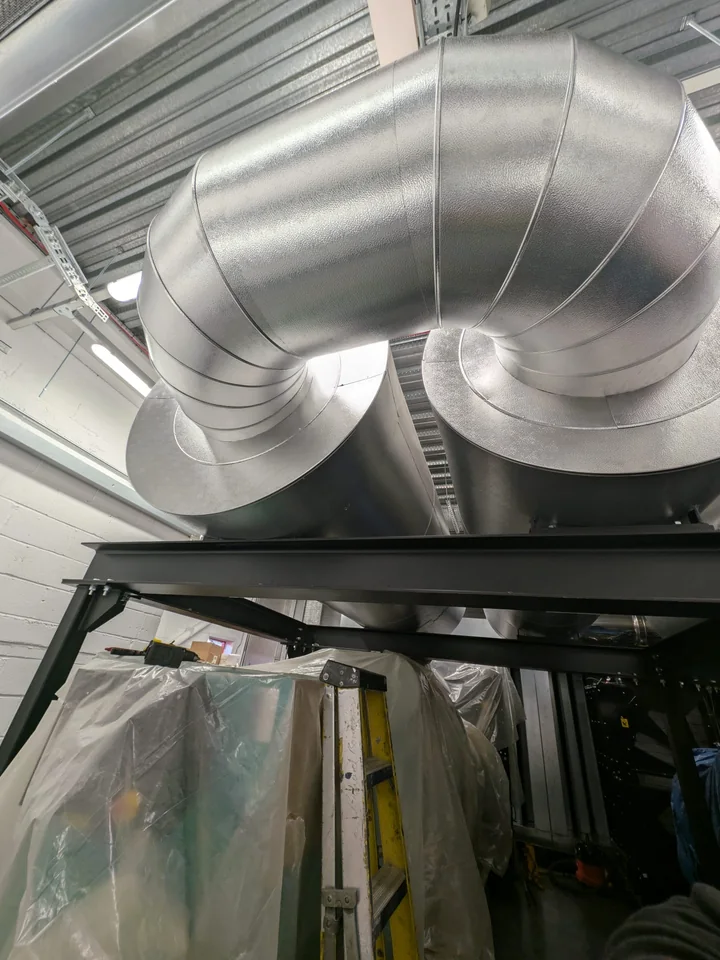
Hygienic, wipe-clean or corrosion-aware finish routes can be considered where the environment and cleaning regime demand more than a basic cladding choice.
External Process Routes
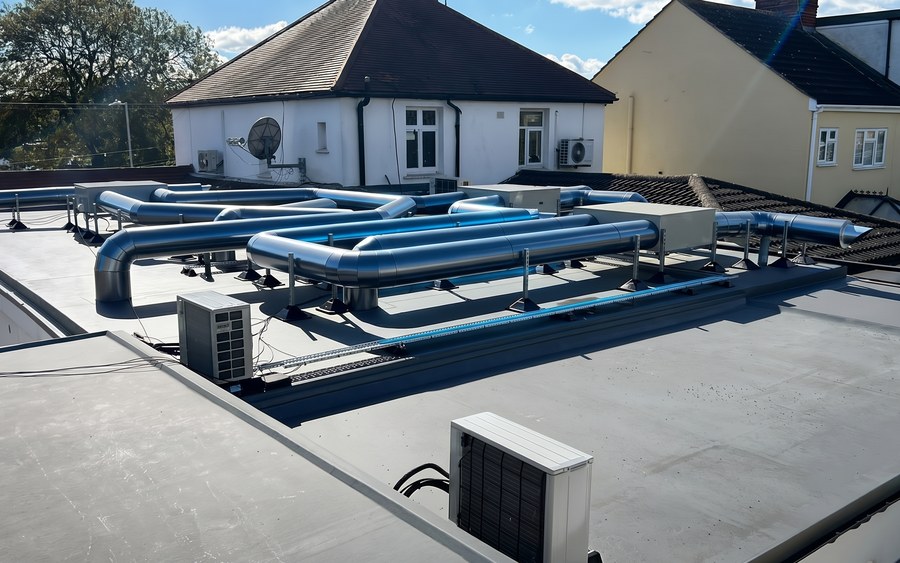
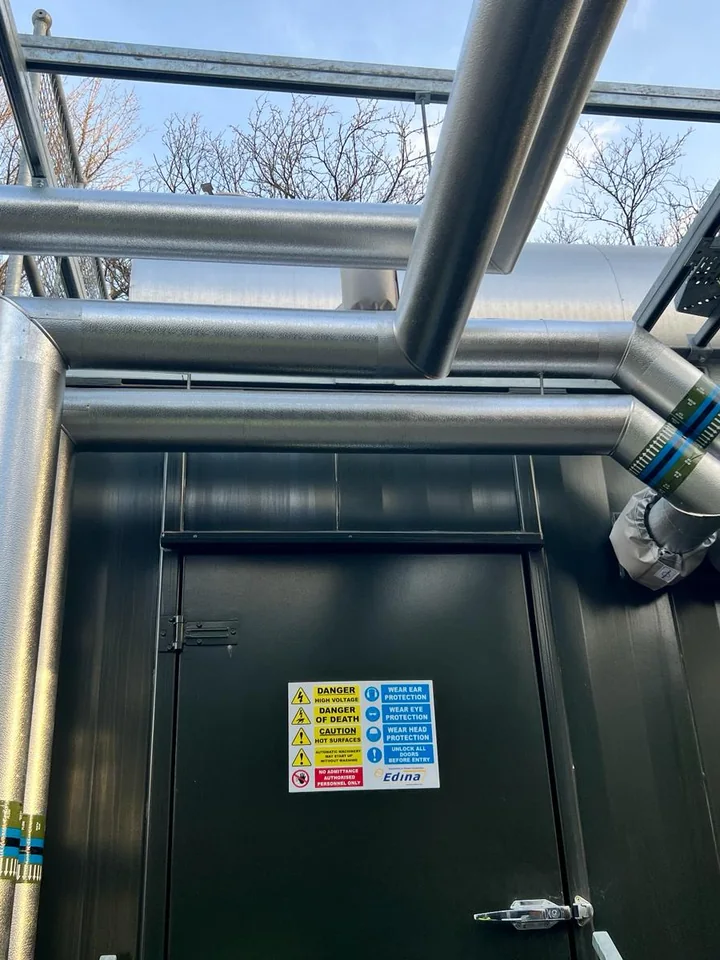
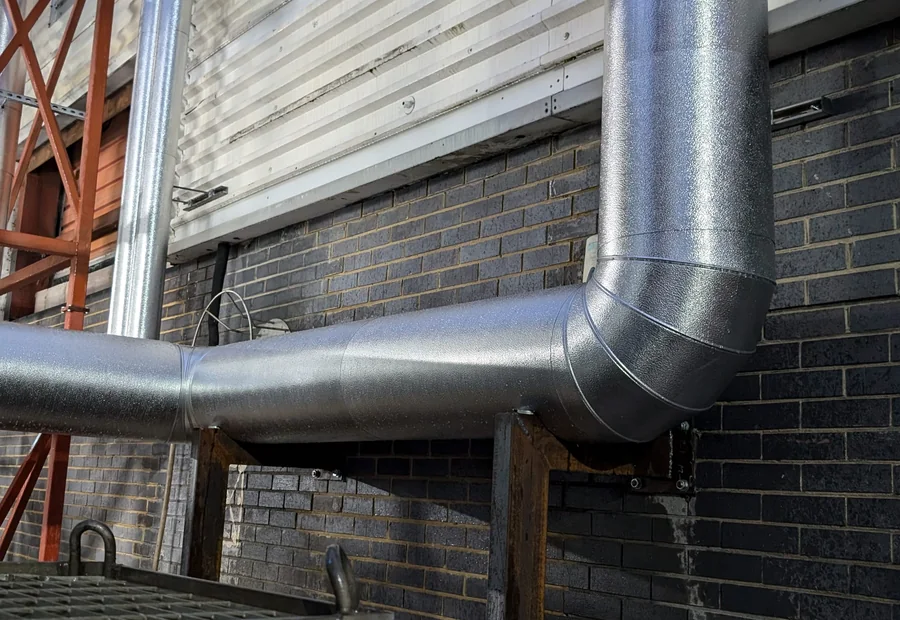
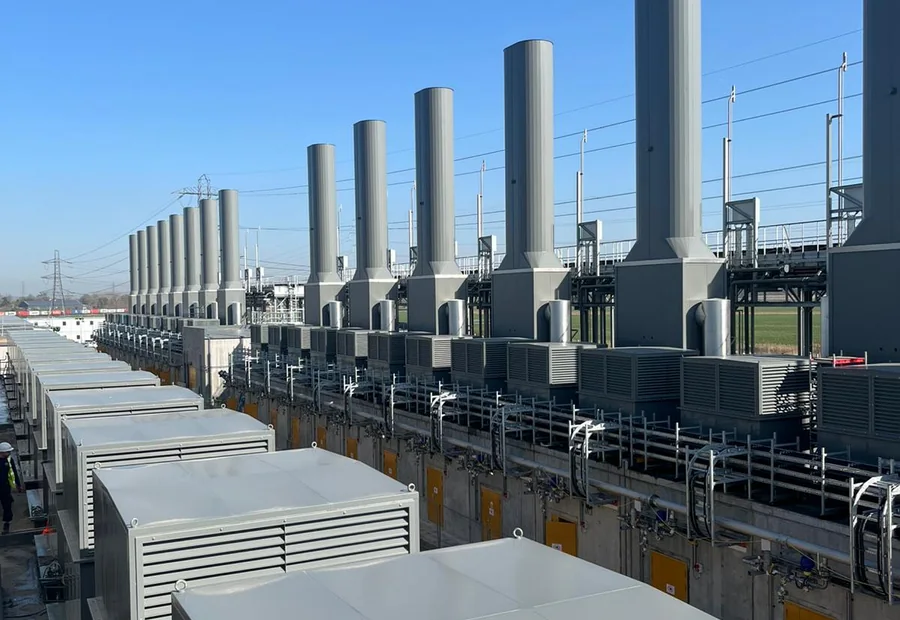
Weather-exposed and outdoor process-support services can be reviewed for insulation, trace heating and protective finish requirements together.
Maintenance & Inspection Access
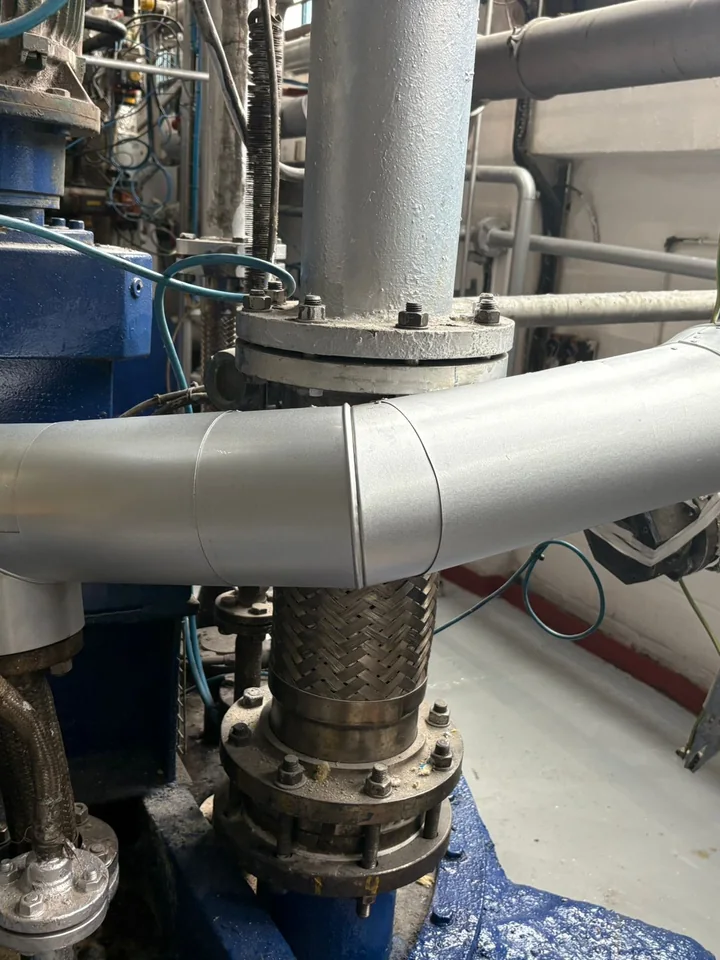
Valves, branches and inspection points can still be planned for future attendance so the finished route remains practical after handover.
What Pharmaceutical & Chemical Sites Usually Need
These sites often combine tighter finish requirements, environmental control, exposure risk and maintenance-critical services. The right package depends on how those pressures overlap on the route.
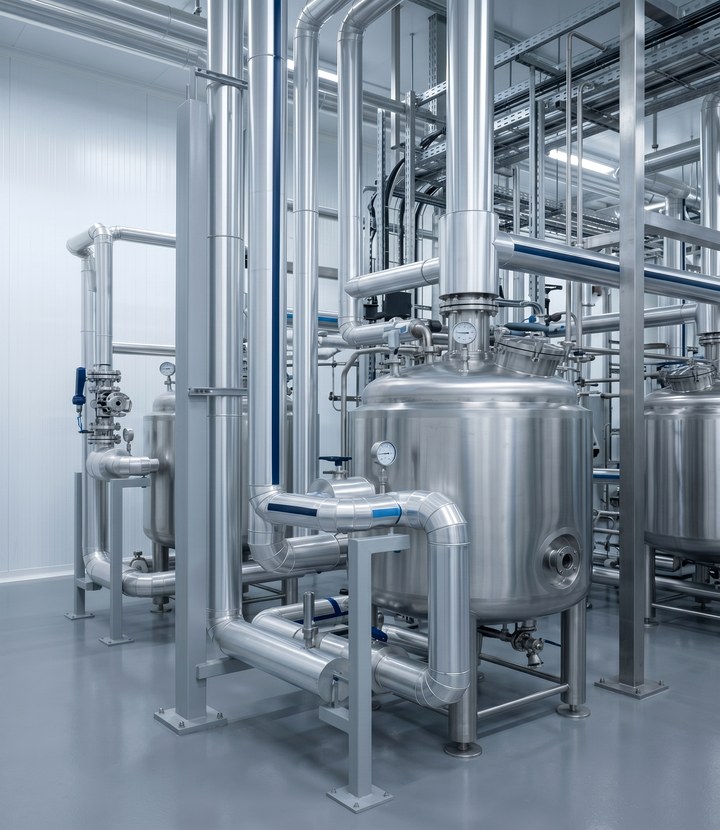
Controlled Plant Rooms & Service Routes
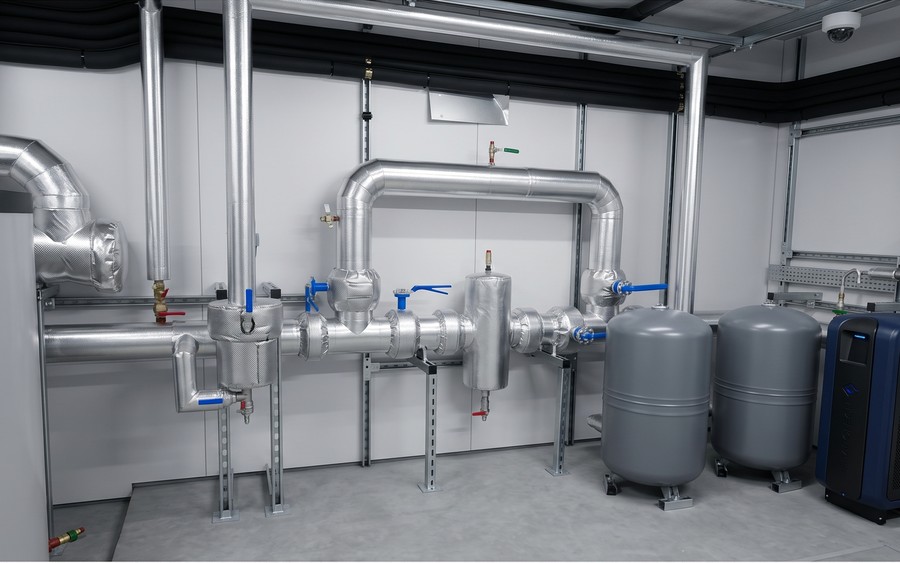
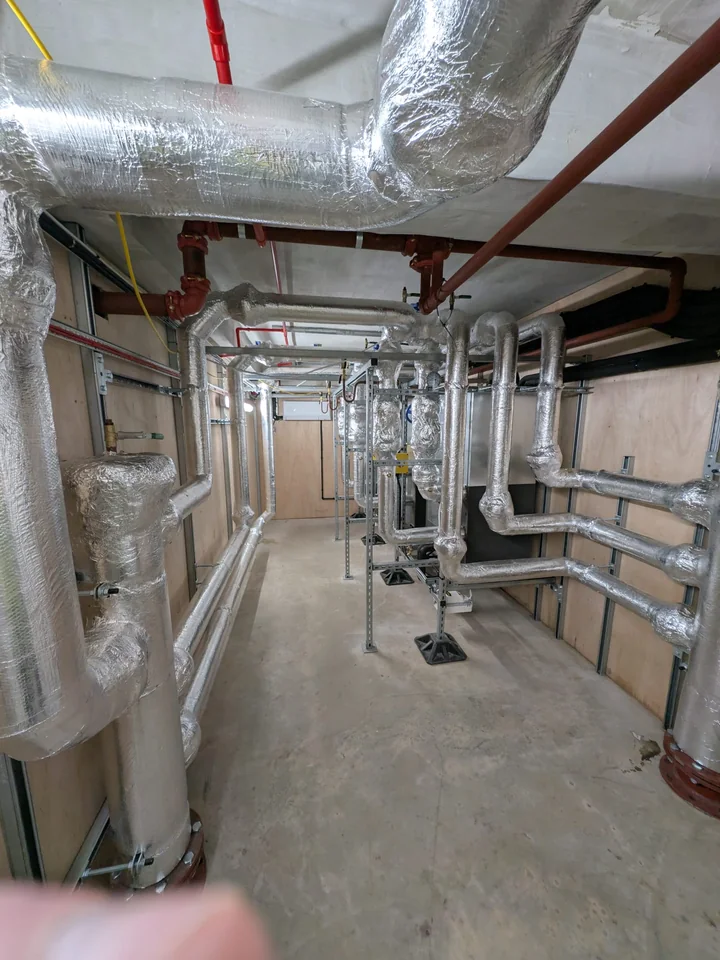
Support for plant rooms, process-support services and internal routes where finish discipline, access and long-term usability all matter.
Trace Heating & Exposed Services
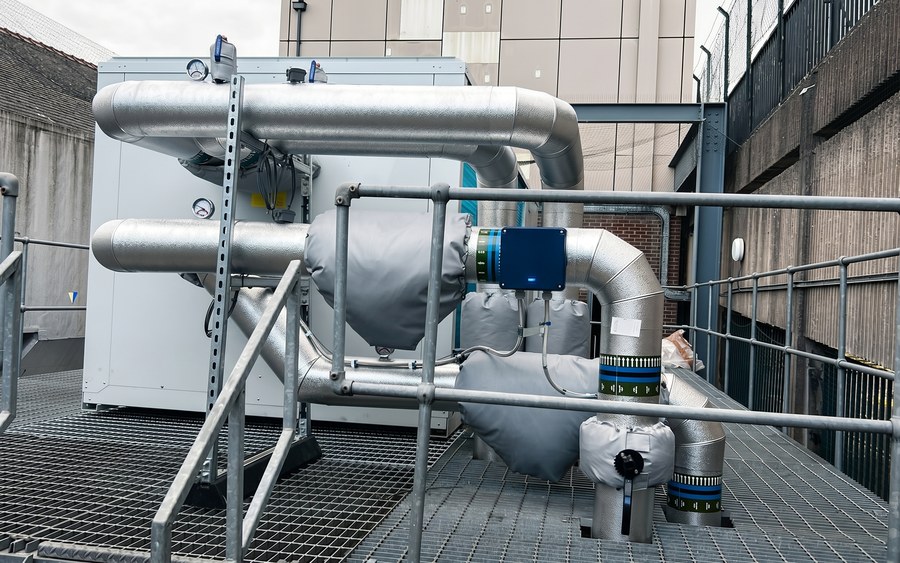
External and weather-sensitive services can be reviewed around frost risk, temperature maintenance and protective finish detail where suitable.
Hygienic or Chemical-Aware Finishes
Finish choices can be reviewed around cleanability, corrosion resistance, service visibility and how the route needs to be maintained.
Removable Access at Critical Points
Valves, flanges and maintenance-critical components can still be detailed for inspection and contractor access after completion.