
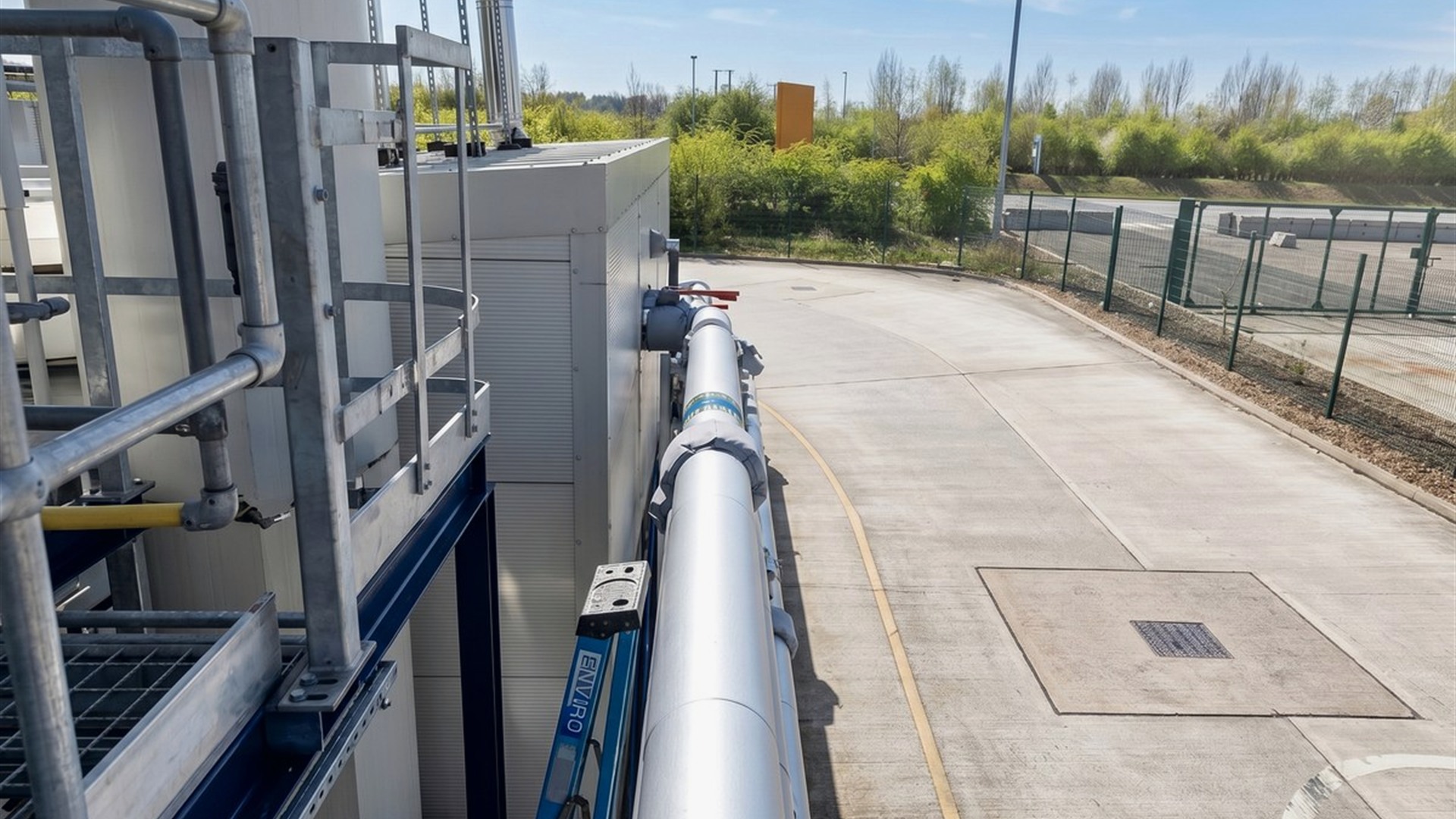

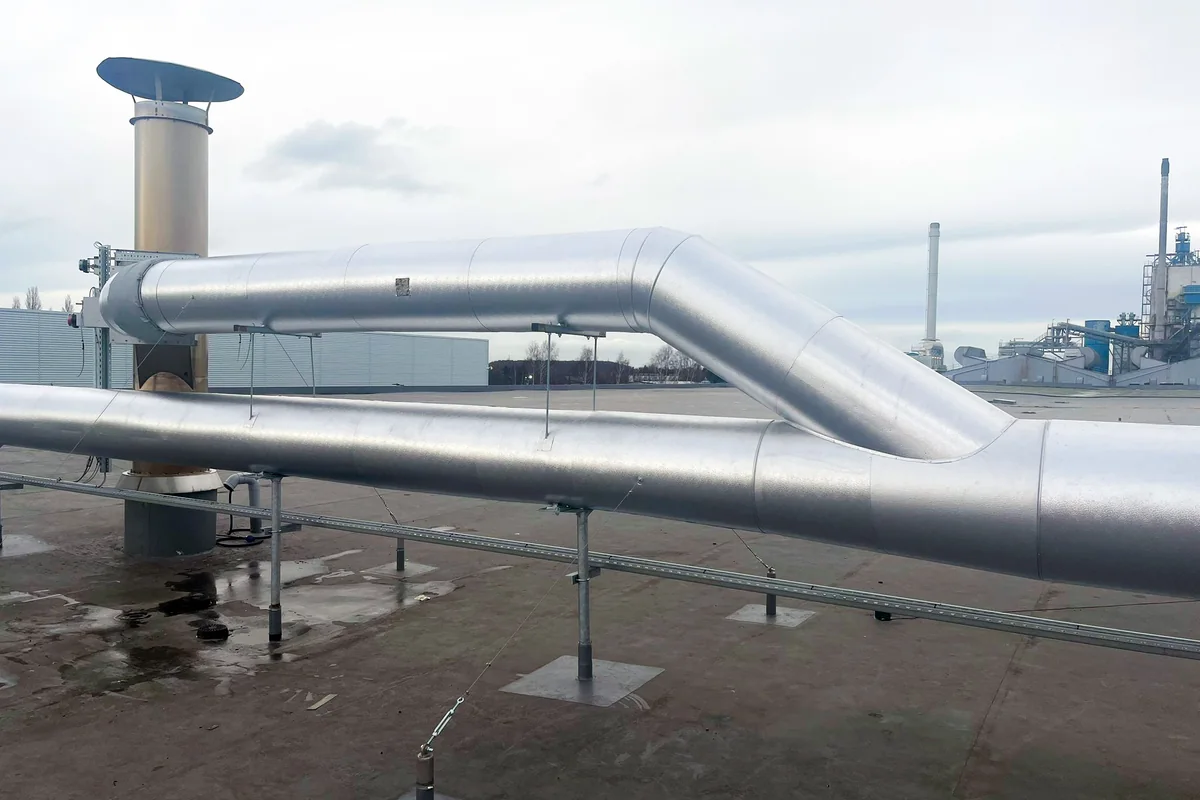
Thermal insulation payback is usually discussed as a number of months or years, but the underlying question is broader: how much energy is being wasted today, how often the services run, and what extra value comes from better surface temperatures, safer access and lower carbon emissions. That is why payback needs to be grounded in the real route, not just a spreadsheet assumption.
What affects insulation payback most?
The potential return depends on current heat loss, operating hours, exposed components and the complete installed scope; it needs to be assessed for the actual site. Enviroshield can help review those points before a scheme is fixed, especially where the insulation package supports wider energy-saving work or an operational net-zero plan.
Inputs that change the payback conversation
- Operating temperatures, annual run hours and the amount of exposed hot surface area.
- Whether valves, strainers and flanges need removable jackets for maintenance access.
- Any need for protective cladding, hygiene finishes or weatherproofing that changes installed scope.
- Shutdown windows, labour access and the practical cost of completing the work on a live site.
- The value of carbon reduction, lower plant load and improved asset presentation alongside direct energy savings.
The best payback discussion starts with where heat is escaping now, then adds the operational and maintenance benefits that follow once the route is insulated properly.
Why payback should not be treated as one spreadsheet line
Some projects justify insulation on energy alone. Others make more sense when the review includes safer touch temperatures, neater finishes, reduced plant-room heat gain and coordination with services such as trace heating or external weather protection. Enviroshield can help shape that wider case before the package moves to procurement.
How is simple insulation payback calculated?
Simple payback compares the project's initial cost with its annual saving. The DESNZ Heat Network Optimisation Guide describes this as capital cost divided by the first year's annual saving. It is a screening measure, rather than a complete assessment of the investment over its life.
Simple payback in years = installed project cost in pounds / estimated annual net cost saving in pounds.
Use a consistent cost basis: define whether the quote includes access, removal of damaged insulation, new insulation, removable covers, protective finishes and installation. State the energy-price date, operating hours and any additional operating or maintenance cost included in the annual saving. If a positive annual saving has not been established, do not present a payback period.
What evidence is needed before quoting an energy saving?
A project estimate needs measured pipe lengths and sizes, fittings and exposed components, current insulation condition, service and ambient temperatures, operating hours and the proposed insulation specification. The DESNZ Energy Technology List pipework criteria distinguish heat loss from hot services and heat gain into cold services, and cover fittings as well as straight pipework. These are product-performance criteria, not evidence of a saving achieved on your site.
Read our plant-room survey and energy-saving guide for the measured brief. Keep energy savings separate from maintenance access, personnel protection and other project benefits unless their financial value has been evidenced.
What should you send for an insulation payback review?
Send drawings or photographs, service temperatures, approximate operating hours, the existing insulation condition, access or shutdown constraints and any available energy-cost assumptions. Use request an insulation project review to define the installation scope; an initial enquiry is not a guaranteed savings assessment.