
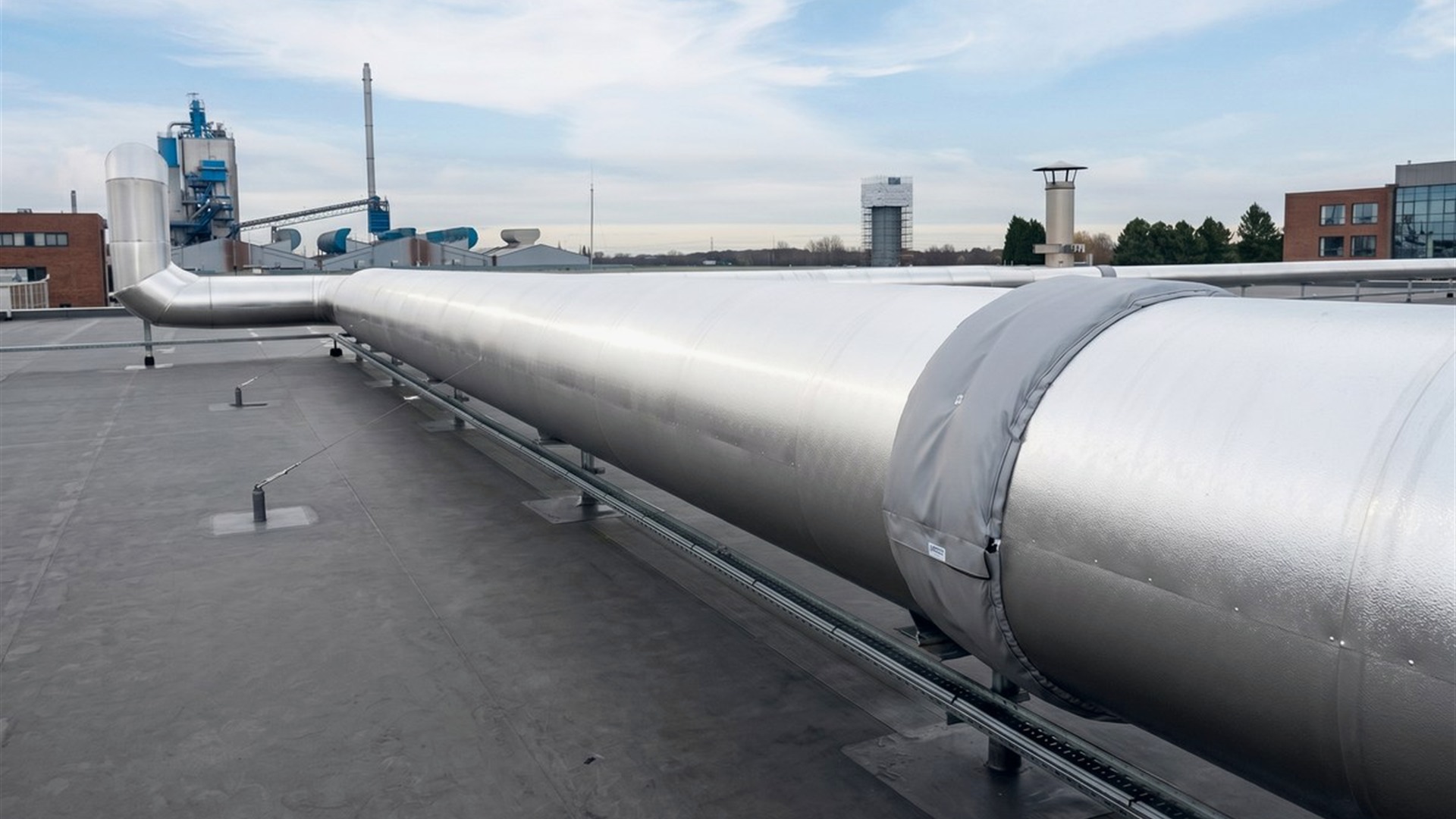

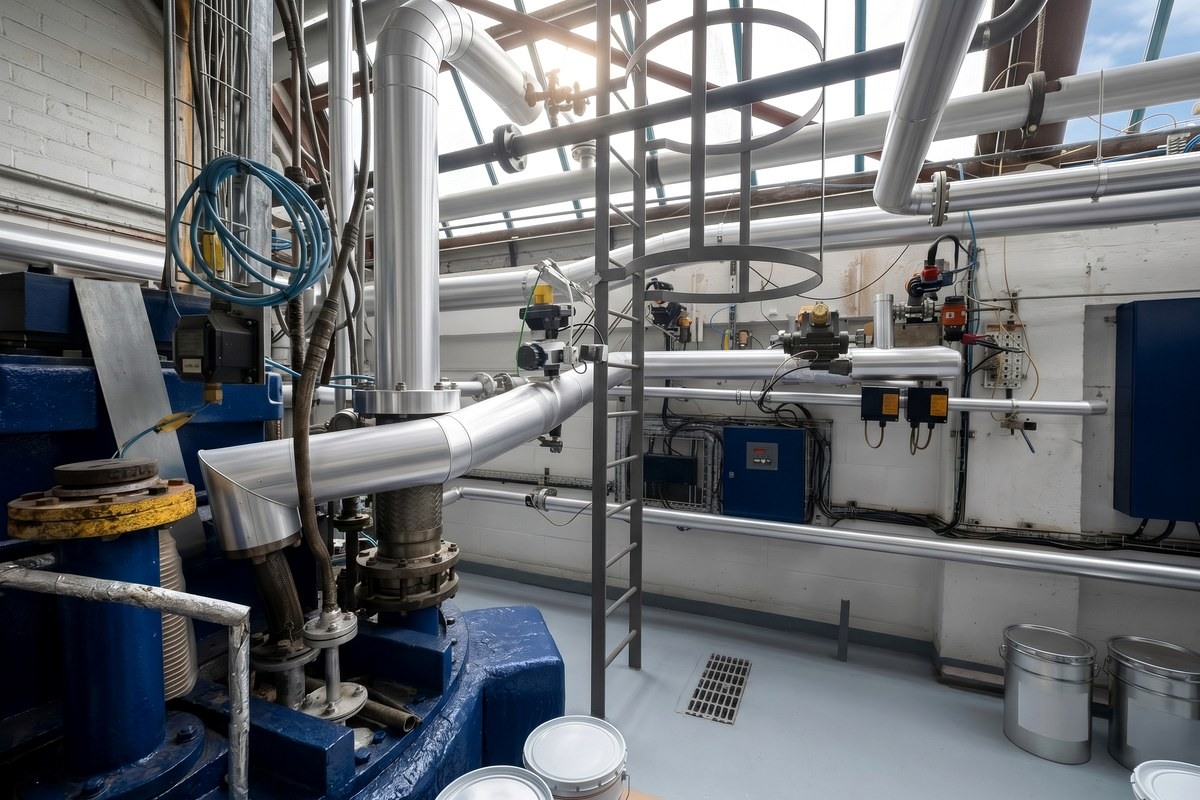
Net-zero plans often focus on plant replacement, controls and generation, but distribution losses still matter. If hot pipework, valves, flanges and plant-room components are left exposed, the system keeps wasting energy before it reaches occupied spaces or process loads. That makes insulation one of the most immediate ways to support an energy-efficiency upgrade without redesigning the whole service strategy.
Where insulation supports a net-zero strategy
Insulation helps reduce heat loss from primary distribution, lowers unwanted plant-room heat gain and supports the performance of both traditional and low-carbon heating systems. On retrofit projects it can also be one of the fastest measures to install around wider decarbonisation works, especially where a site is already reviewing plant-room energy saving or staged shutdowns.
Areas worth reviewing first
- Main distribution pipework, branches and exposed fittings running at elevated temperatures for long periods.
- Plant rooms, risers and service zones where bare valves, flanges and vessels are repeatedly giving up heat.
- Access points that need removable jackets instead of permanent insulation.
- External routes or roof-level services where weather protection and finish durability affect long-term performance.
- Projects where insulation can be coordinated with maintenance windows, capital upgrades or carbon-reporting milestones.
Net-zero progress is usually faster when insulation is treated as operational infrastructure, not as a finishing trade left to the end.
How Enviroshield fits into energy-efficiency planning
Enviroshield can review service routes, advise on finishes and help shape practical packages that support carbon reduction, maintenance access and whole-life durability. That can include early-stage questions from our insulation FAQs, a more detailed payback review or a direct project enquiry through our quote page.