

Where should a plant-room insulation survey start?
Start with a record of the services, their operating conditions and the condition of the installed insulation. Measure the areas requiring attention, include fittings and maintenance access, then use those findings to define the work. A photograph of bare pipework can identify a concern; it cannot establish an annual saving on its own.
Check the complete installation
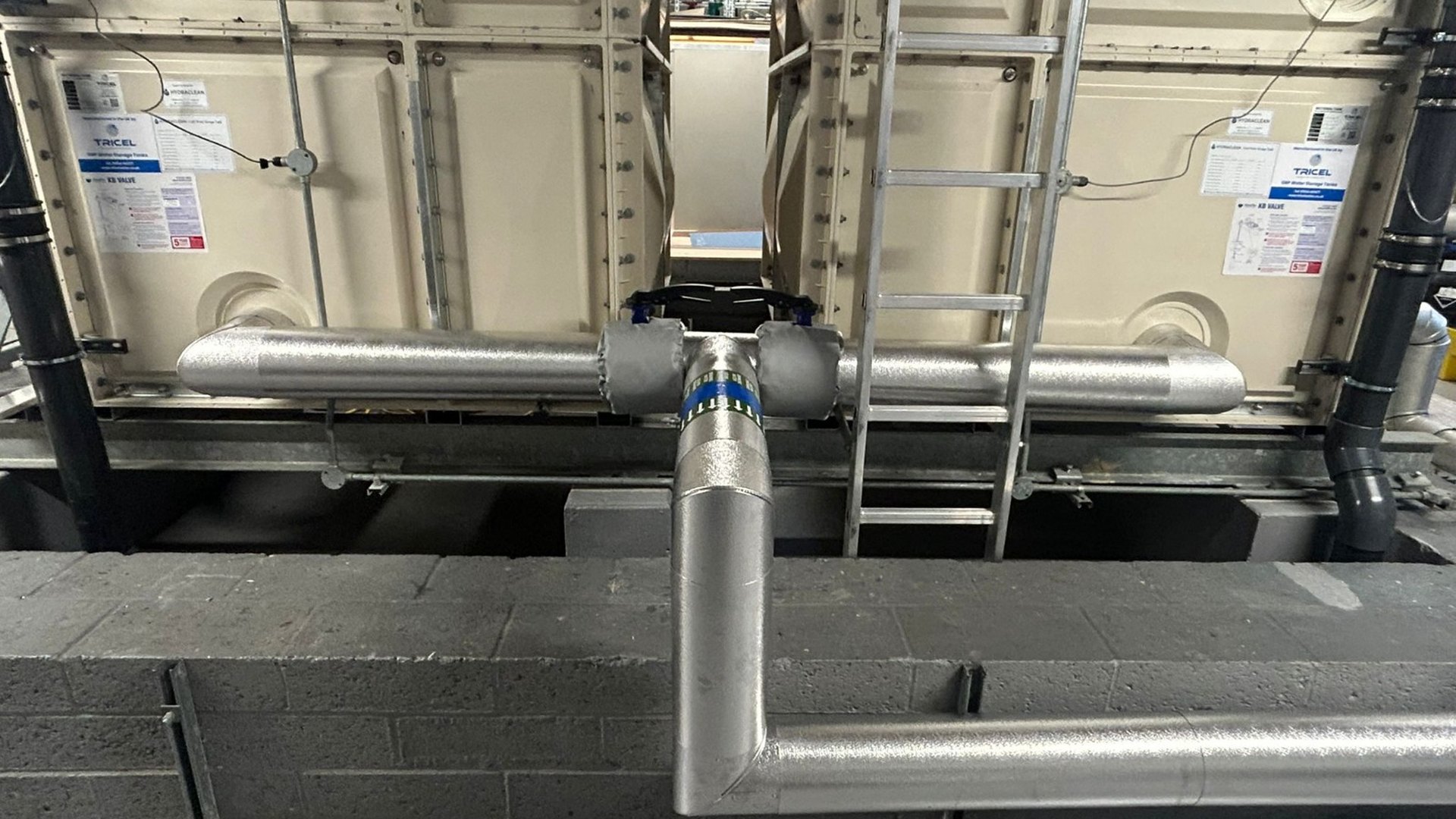
The UK government's Energy Technology List explains that pipework insulation reduces heat loss from hot fluids and heat gain into cold or chilled fluids. Its scope includes fittings such as valves, flanged joints, tees and bends as well as straight pipe. That is a useful reminder to look beyond the most visible pipe runs. Source: DESNZ Energy Technology List, scope and definitions.
Build a usable survey schedule
A useful proposed survey schedule records the service, pipe size, measured length, fittings, existing insulation and finish, and any damaged or missing areas. Add operating temperature and hours where these are known, rather than assuming continuous operation. Record what could not be accessed and which dimensions or service details remain to be confirmed. For chilled services, include the condition of the vapour-control system and joints in the scope for specialist assessment.
Plan around maintenance access
The remedial scope should explain how valves, strainers and other maintained components remain accessible. Depending on the specification and the component, removable insulation jackets may be an option. Record clearances, inspection points and how insulation will be reinstated after maintenance. An insulation package should be coordinated with the people who need to operate and service the plant.
Make the saving estimate traceable
A proposed estimate should state its inputs: dimensions, temperatures, operating hours, insulation properties, the existing condition and the proposed installation. Explain the calculation method and identify assumptions separately from measurements. If converting an estimated reduction in heat loss into fuel cost, show the energy price and the relevant system-efficiency assumption. A client can then judge the basis of the estimate and update it when prices or operating patterns change.
Use standards within their proper scope
The ETL's pipework criteria reference BS 5422:2023, BS EN ISO 12241:2022 and BS 5970:2012. Those references support specification and calculation within the scheme's scope; they are not evidence that every installation or product is ETL listed. The applicable project specification, current requirements and selected product information should be checked for the particular job. Source: ETL performance and measurement criteria.
What information helps Enviroshield assess the work?
Send the site location, service types, drawings or measured schedules if available, accessible photographs, known operating conditions and any material or finish specification. Include access restrictions, shutdown opportunities and the required programme. Enviroshield can use that brief to discuss the survey and installation scope. Explore plant-room insulation or request a quote.
Can a fixed percentage saving be promised?
A credible figure needs a defined existing condition and a stated calculation basis. This guide does not assign a universal saving or payback period.
Should valves and flanges be included?
Include them in the survey and consider their insulation and access requirements when defining the package.
What if the operating hours are unknown?
Record the gap. Obtain operating information from the site team or present clearly labelled scenarios rather than one unsupported annual total.