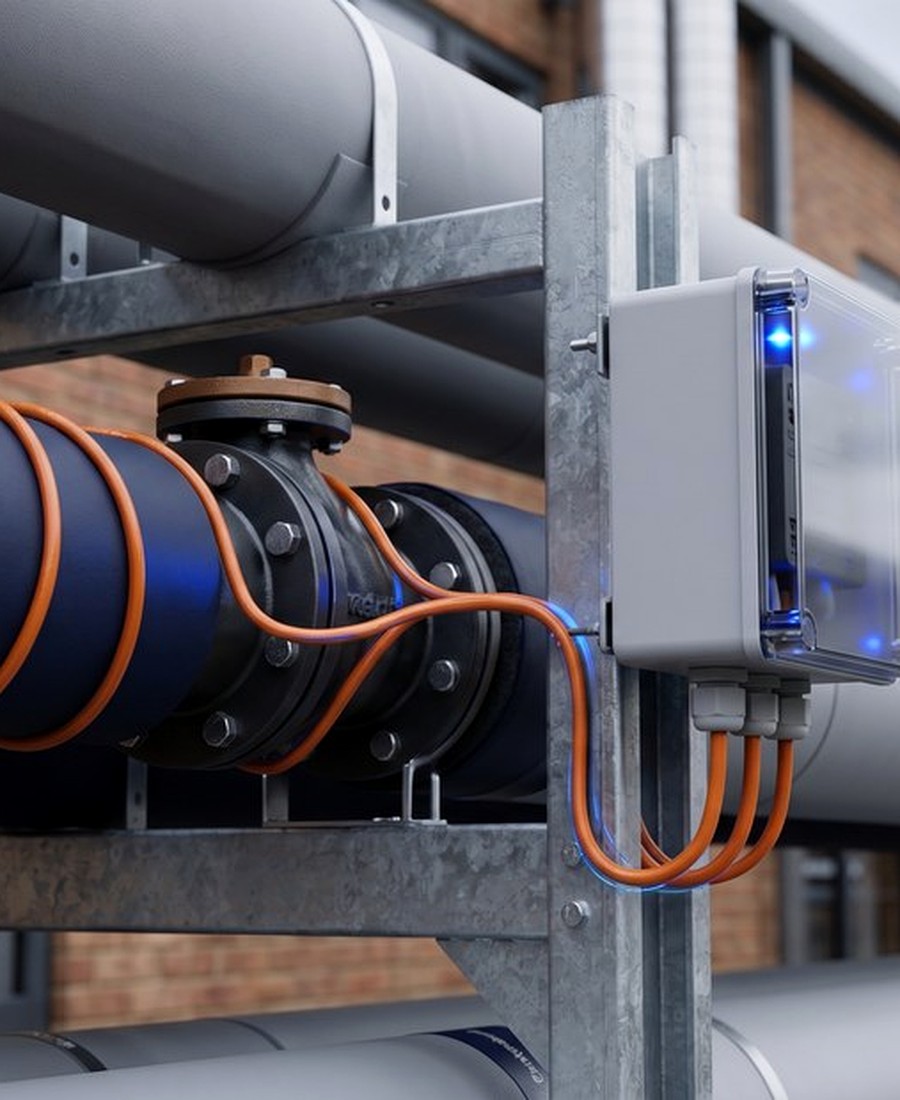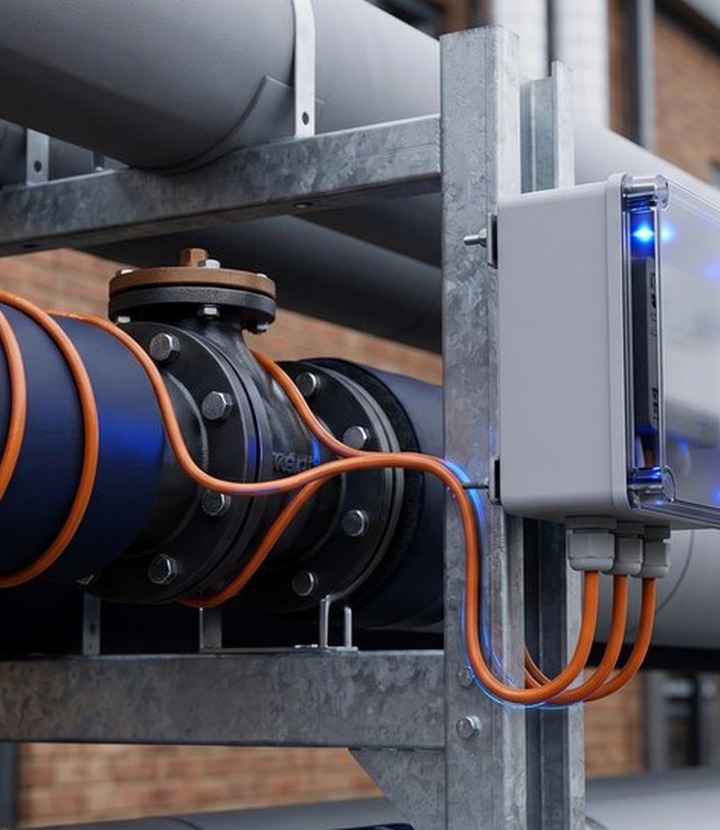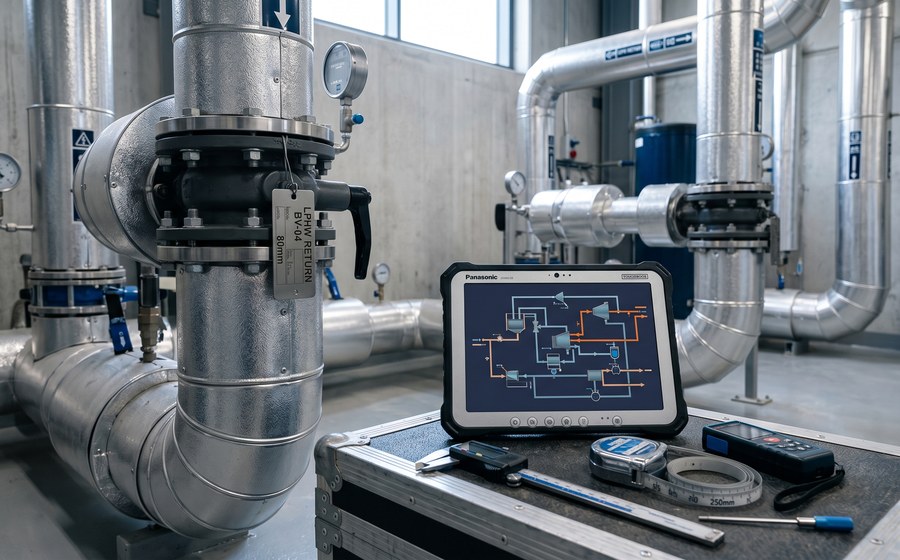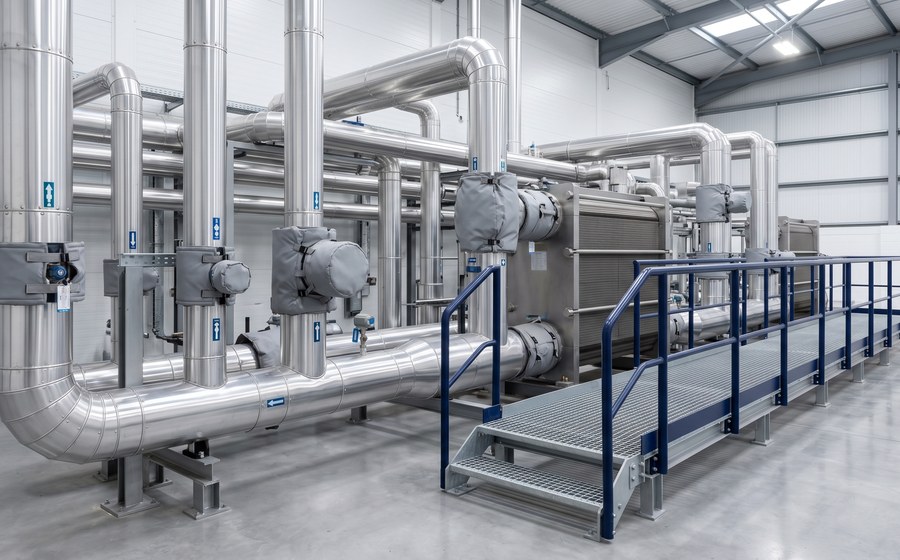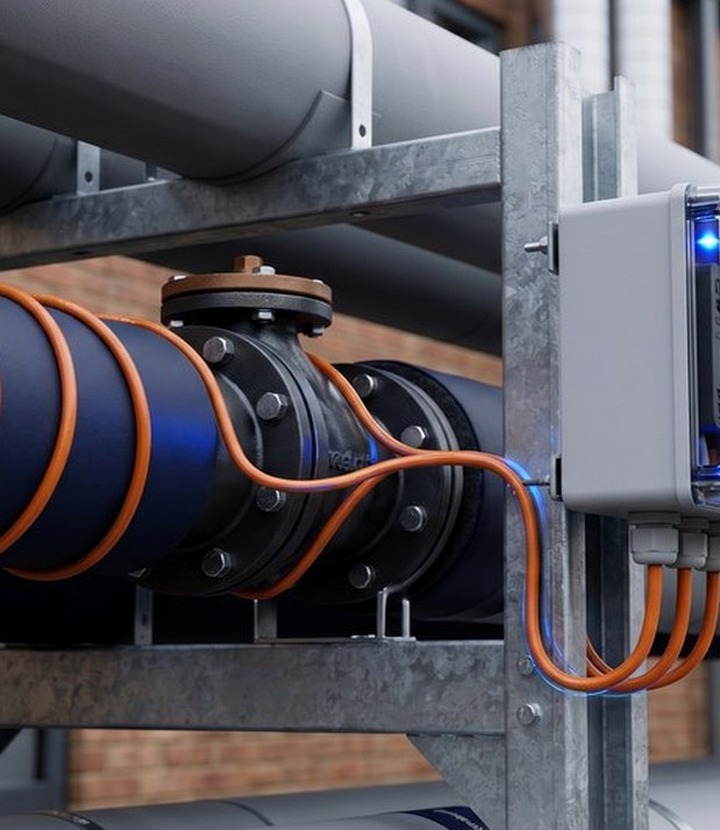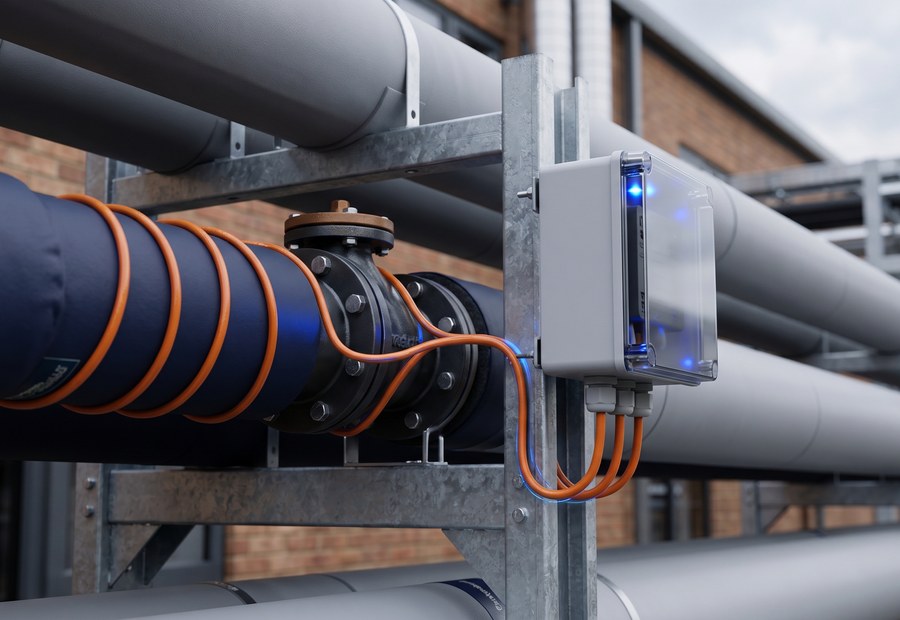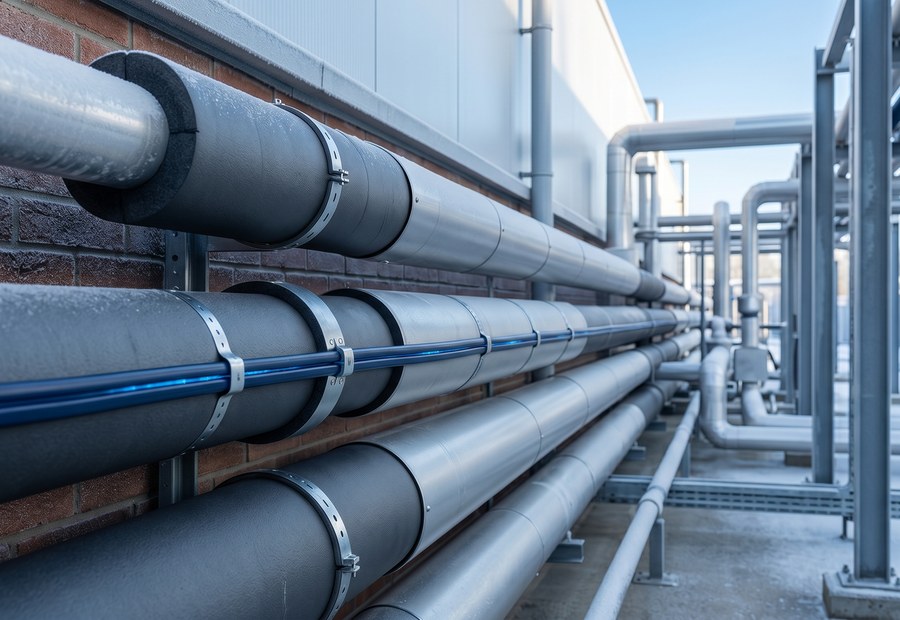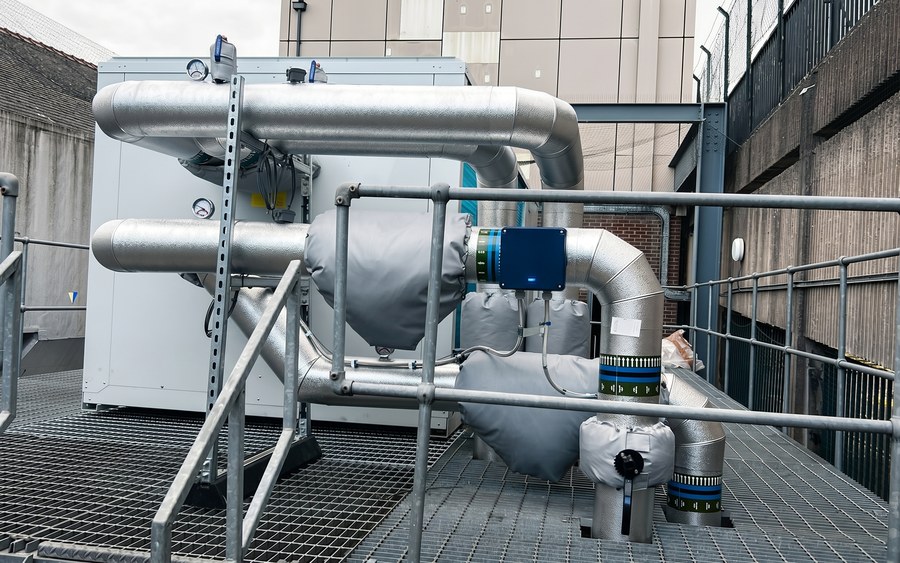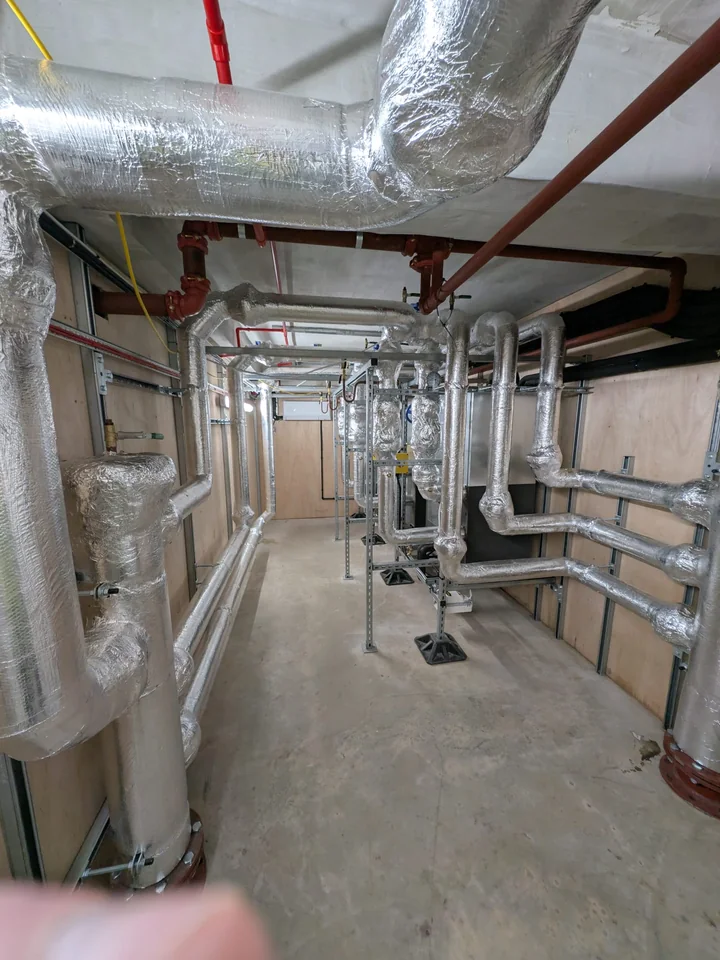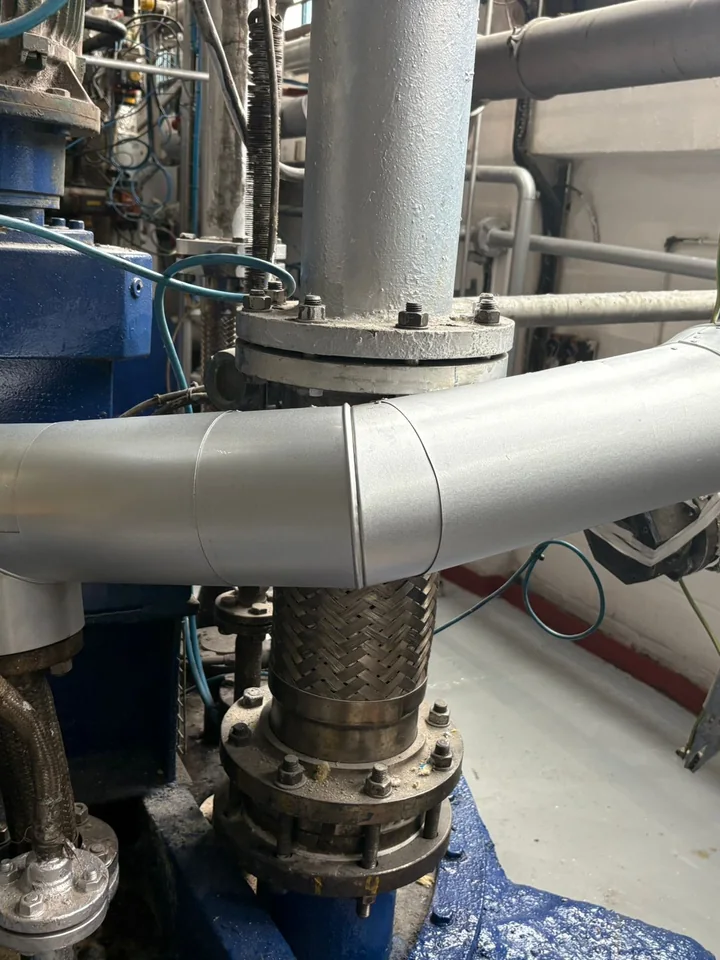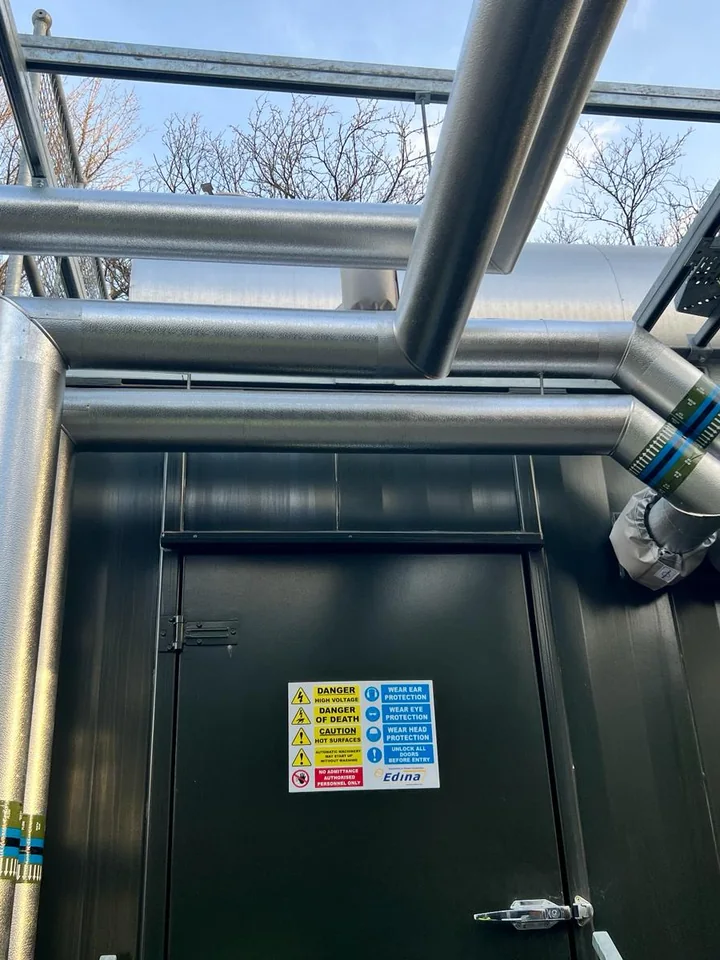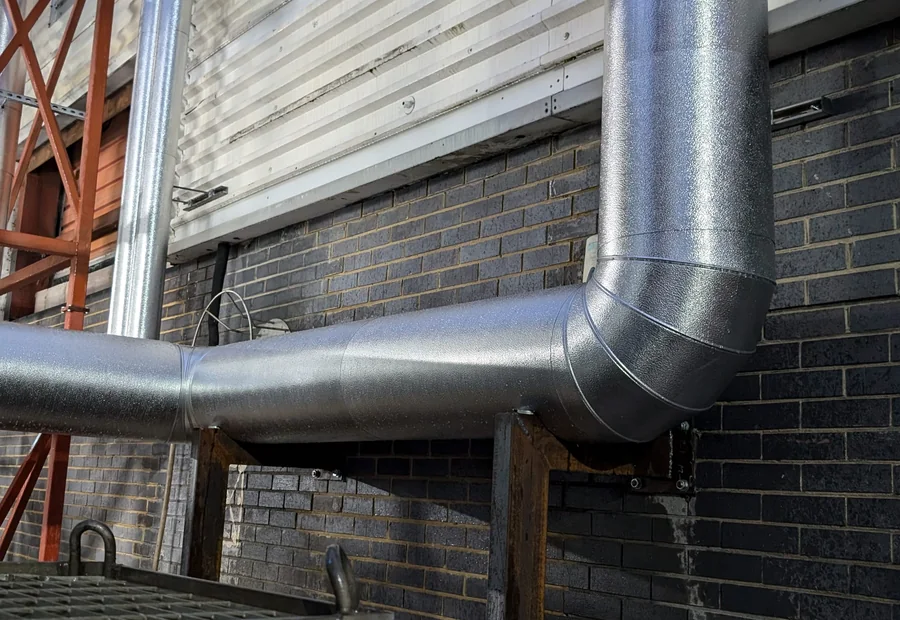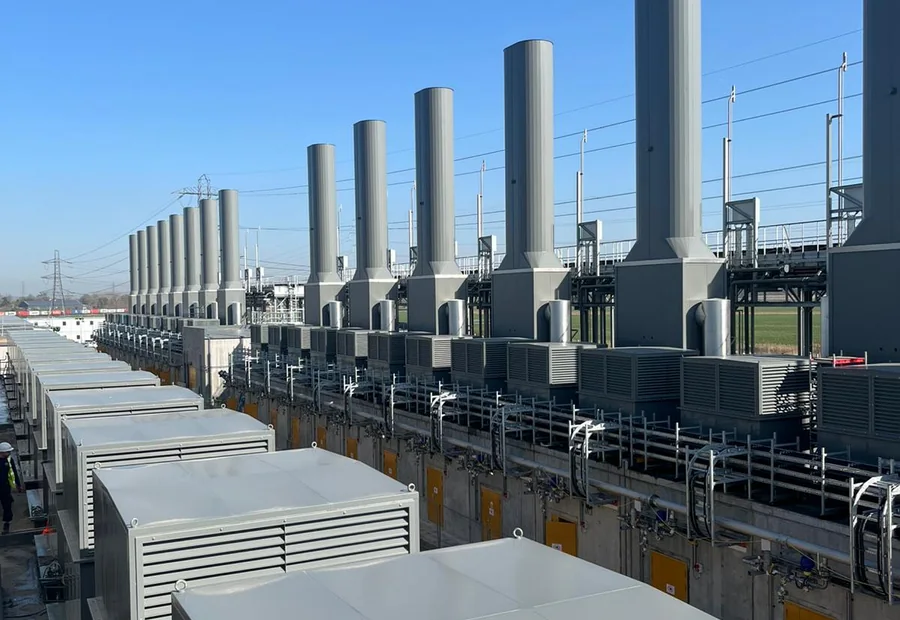
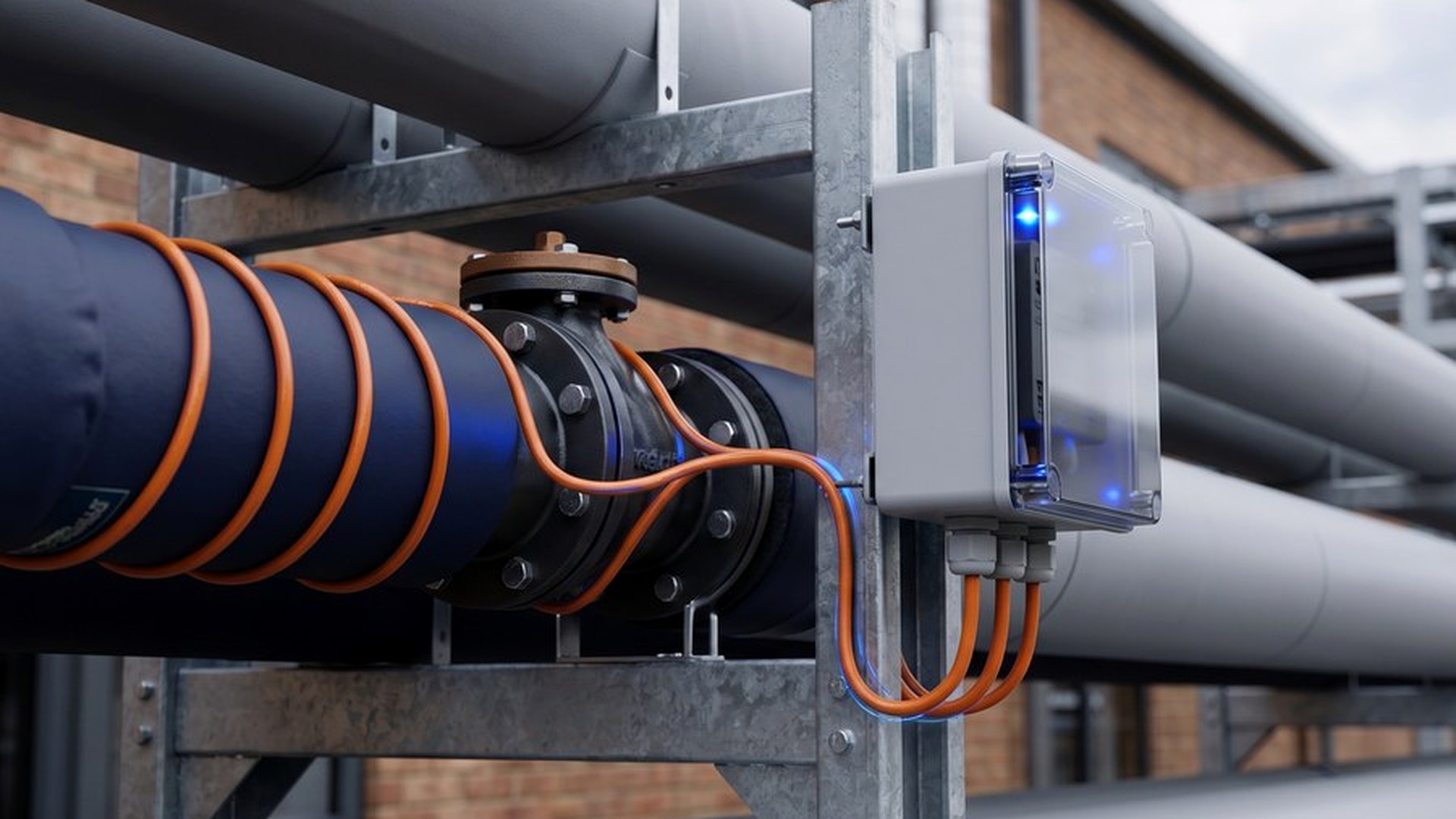

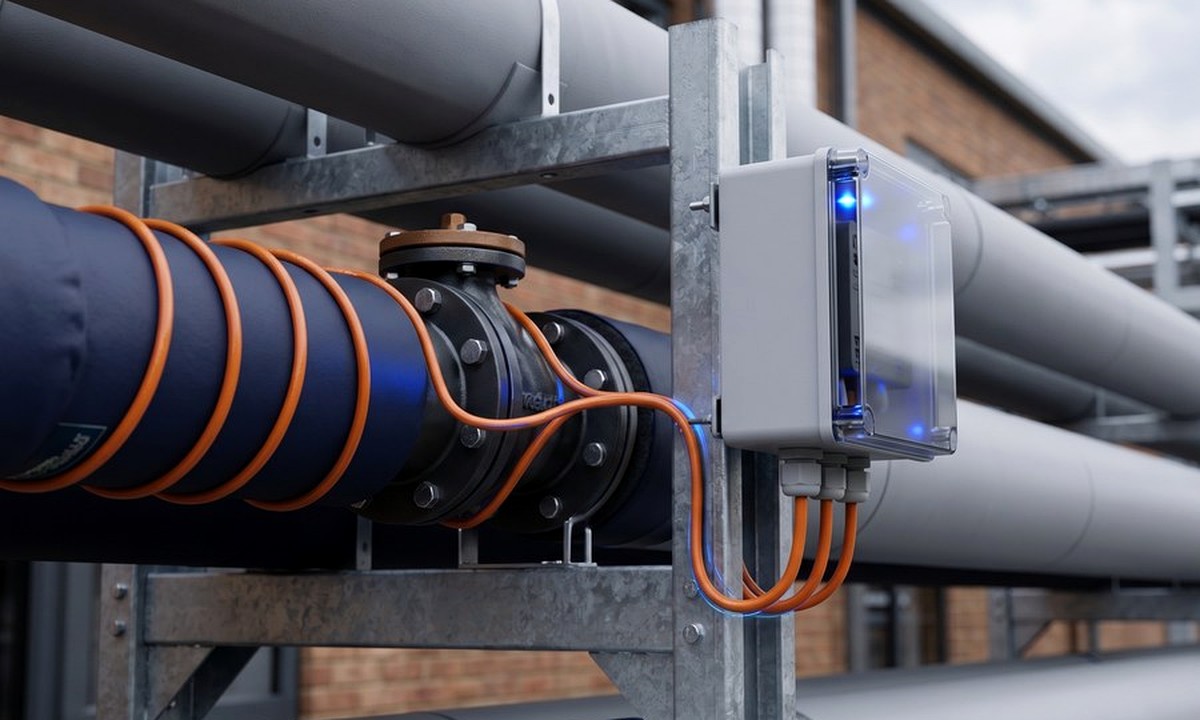
Commercial and industrial cold-install trace heating for exposed services, winter programme work and low-ambient routes where installation detail cannot be left to chance.
When installation happens in colder conditions, the route preparation, fixing detail, access and final reinstatement all become more important. Enviroshield plans around the working conditions as well as the finished result.
Cold-Install Trace Heating Planned Around the Real Route
Enviroshield looks at exposure, service duty, controls, insulation and handover detail before recommending the right trace heating route.
Low-Ambient Planning
Prepare the route for cold-condition installation where weather and surface condition affect the work.
Weather-Exposed Fixing
Coordinate cable fixing and route detail for outdoor or winter programme conditions.
Control & Power Readiness
Plan controls and power access so installation is not held up by avoidable coordination gaps.
Finish Reinstatement
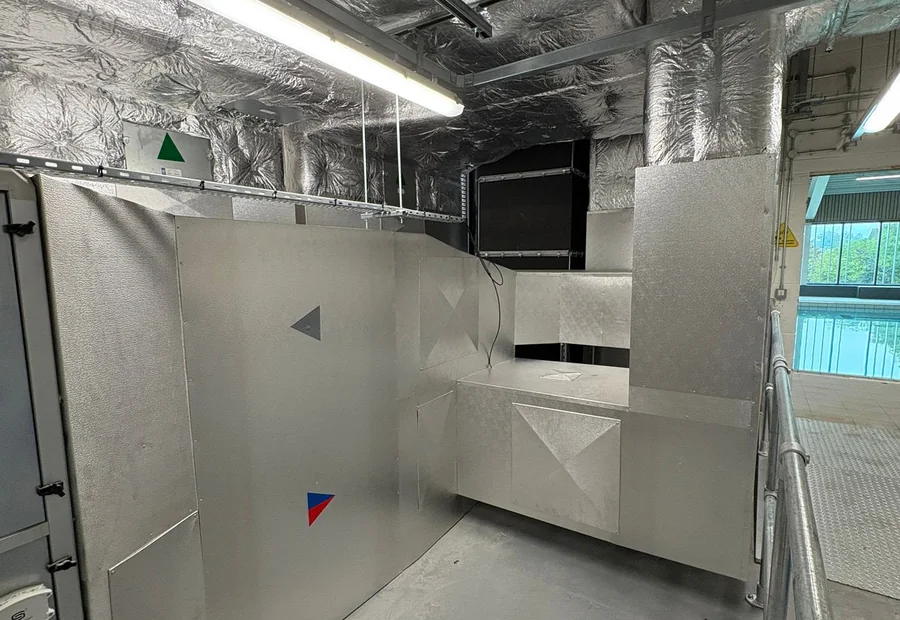
Complete insulation and service-finish reinstatement so the route is left properly protected.
Where Enviroshield Supports Cold-Install Trace Heating
Trace heating is normally planned around the parts of the service route where exposure, continuity, route length or winter pressure create the biggest operational risk.
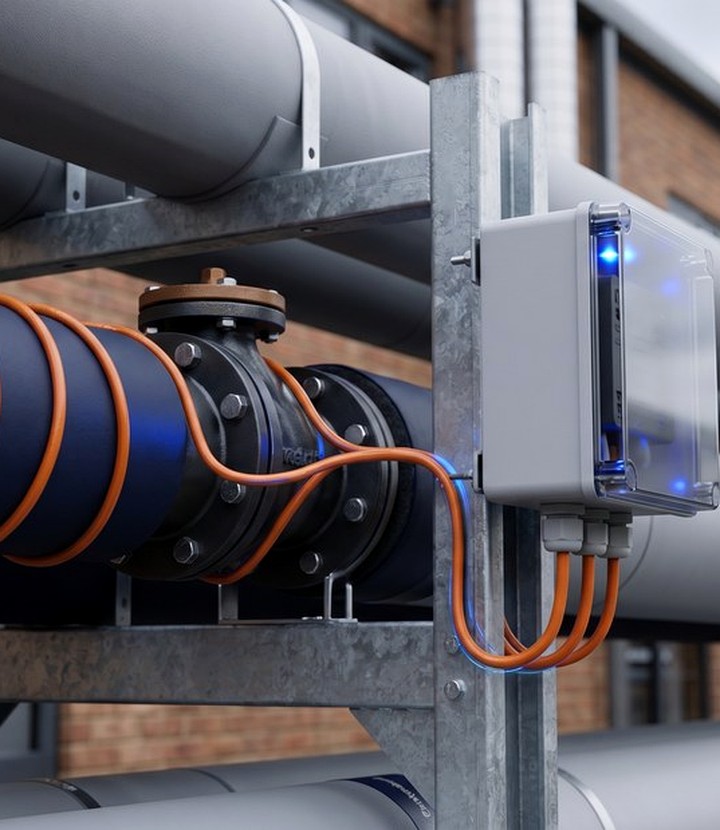
Roof-Level Services
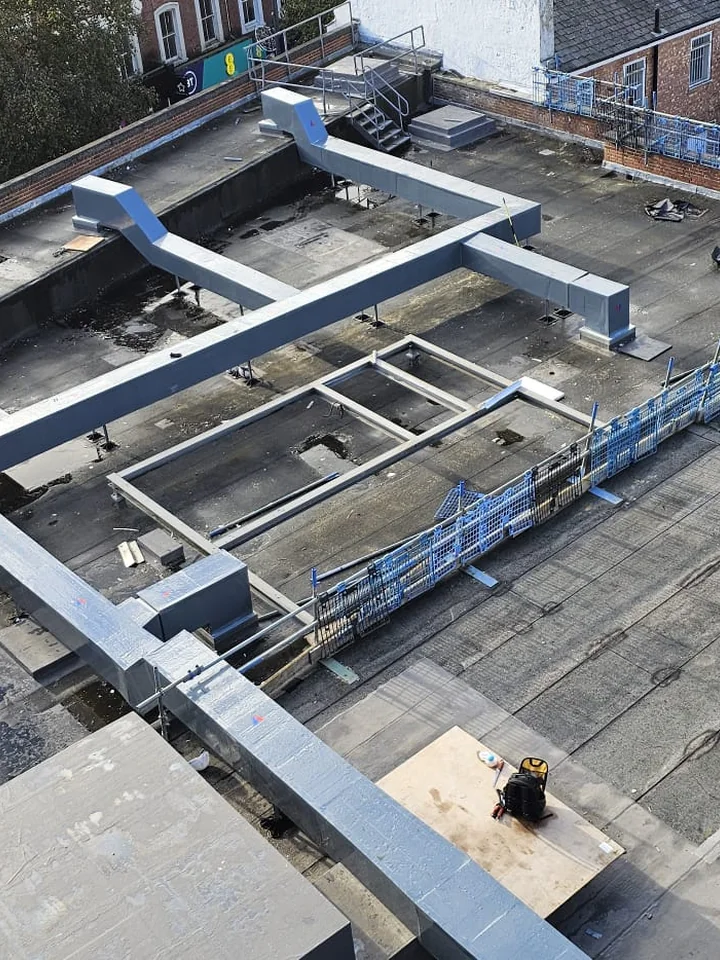
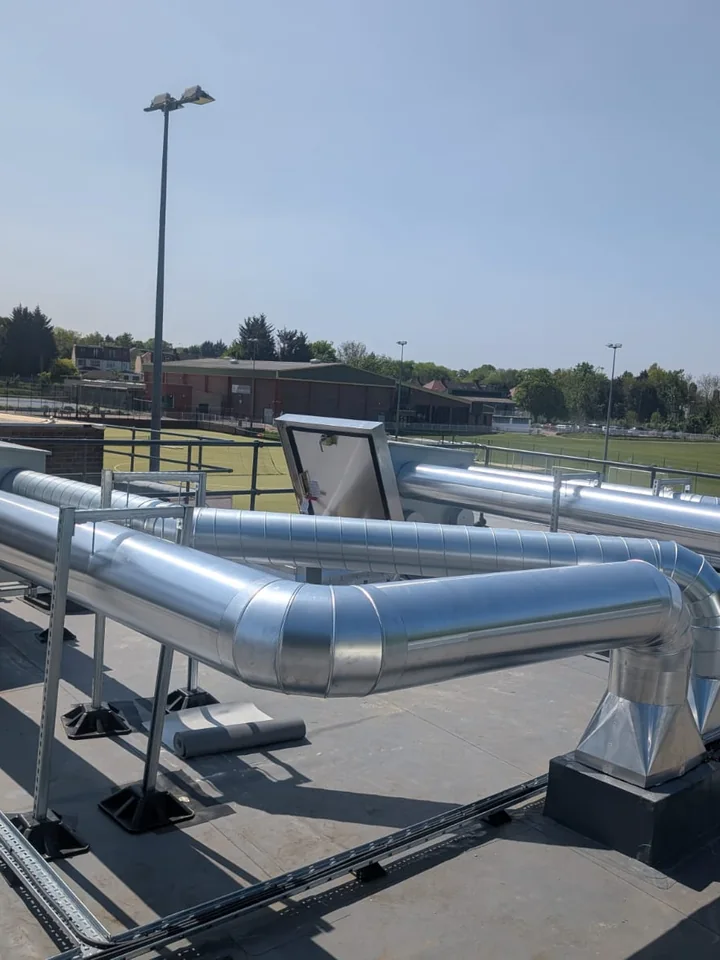
Exposed rooftop services where weather and access make cable installation and finish detail harder.
Outdoor Plant Routes
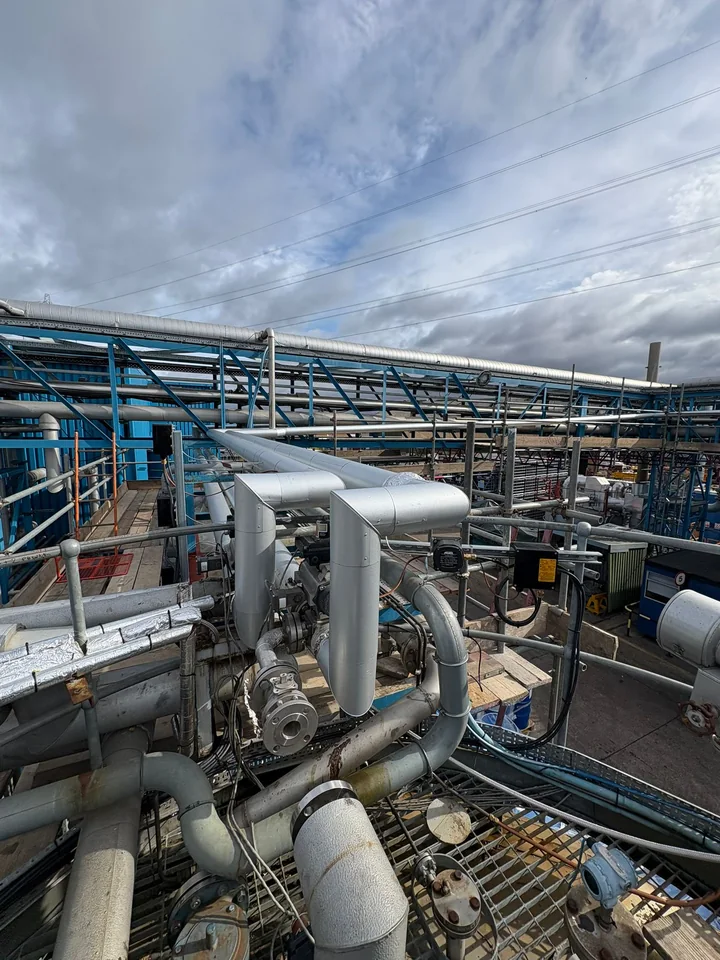
Compounds, gantries and external service runs installed during colder programme windows.
Reinstatement-Sensitive Routes
Services where insulation, cladding or surrounding finishes need careful reinstatement after the cable work.
Programme-Critical Works
Cold-weather installation windows where practical planning matters as much as the final cable route.