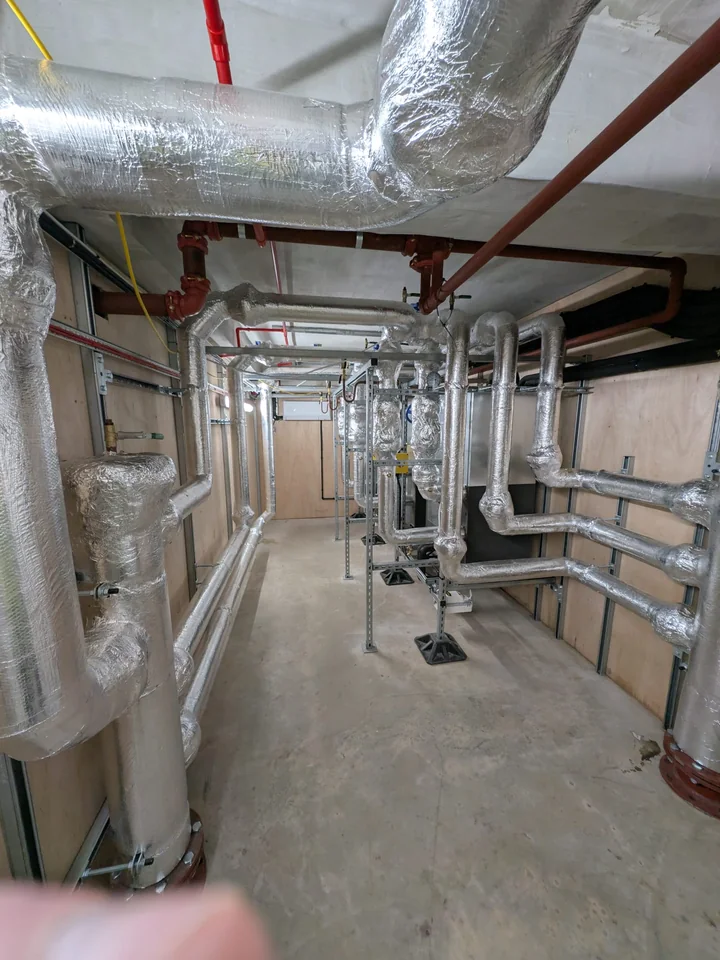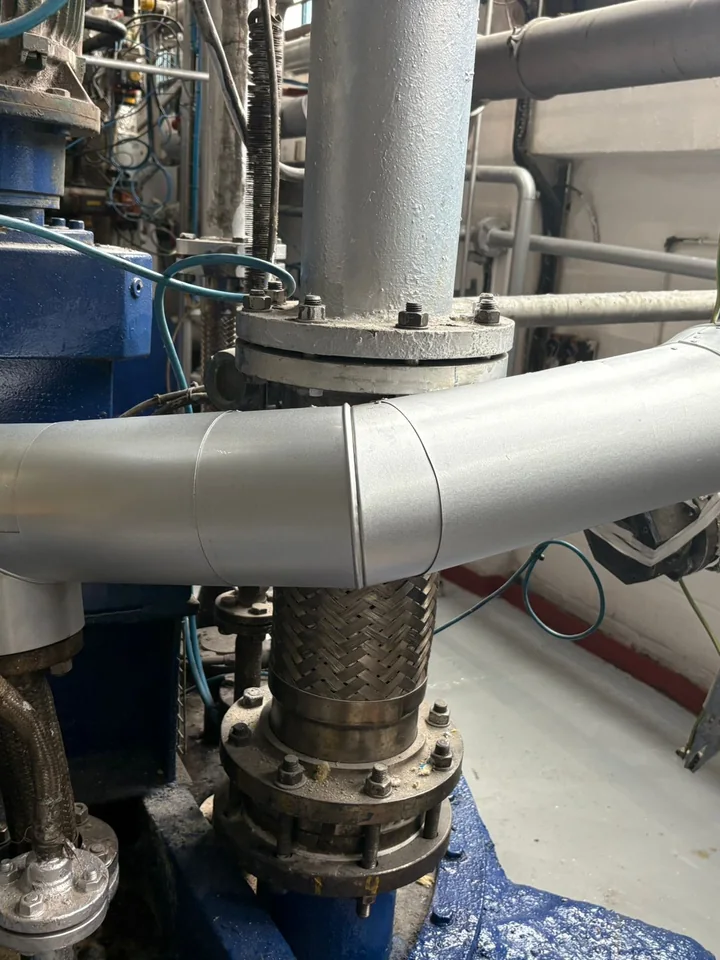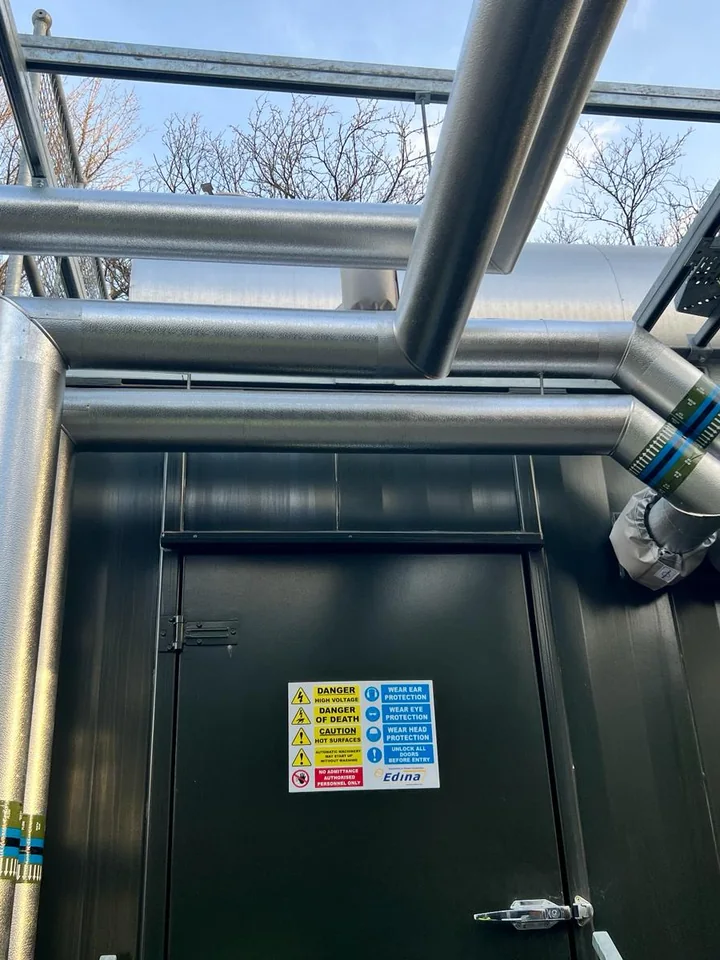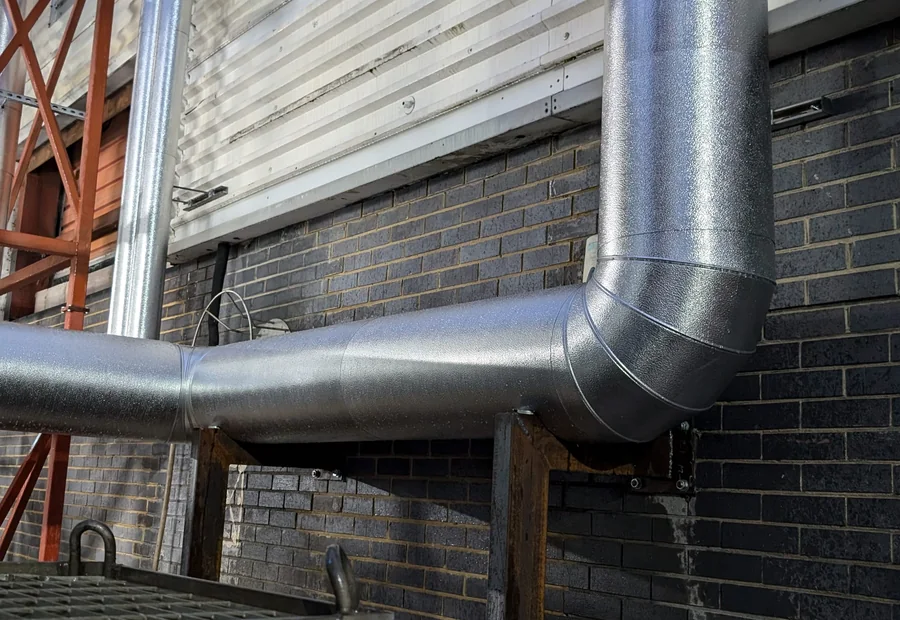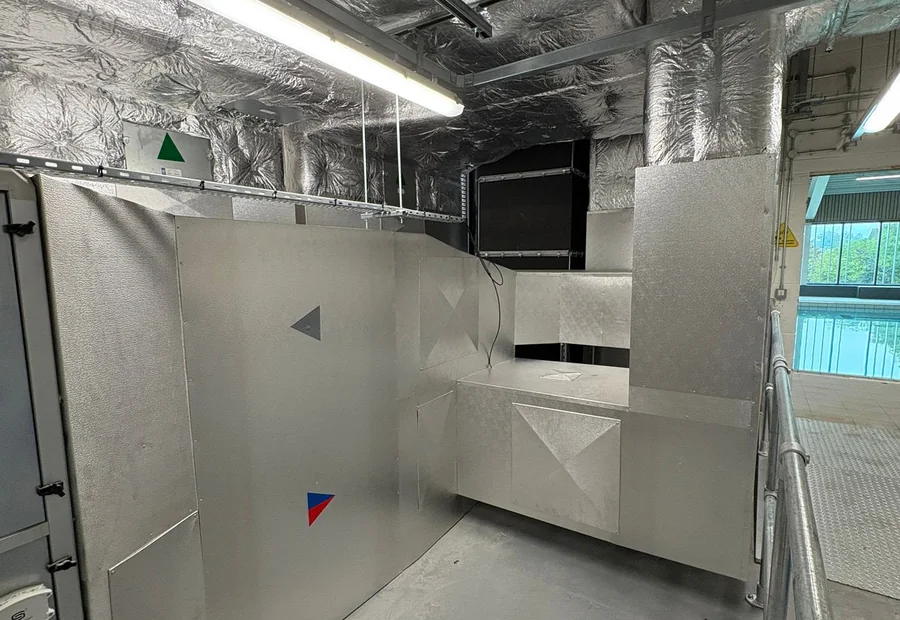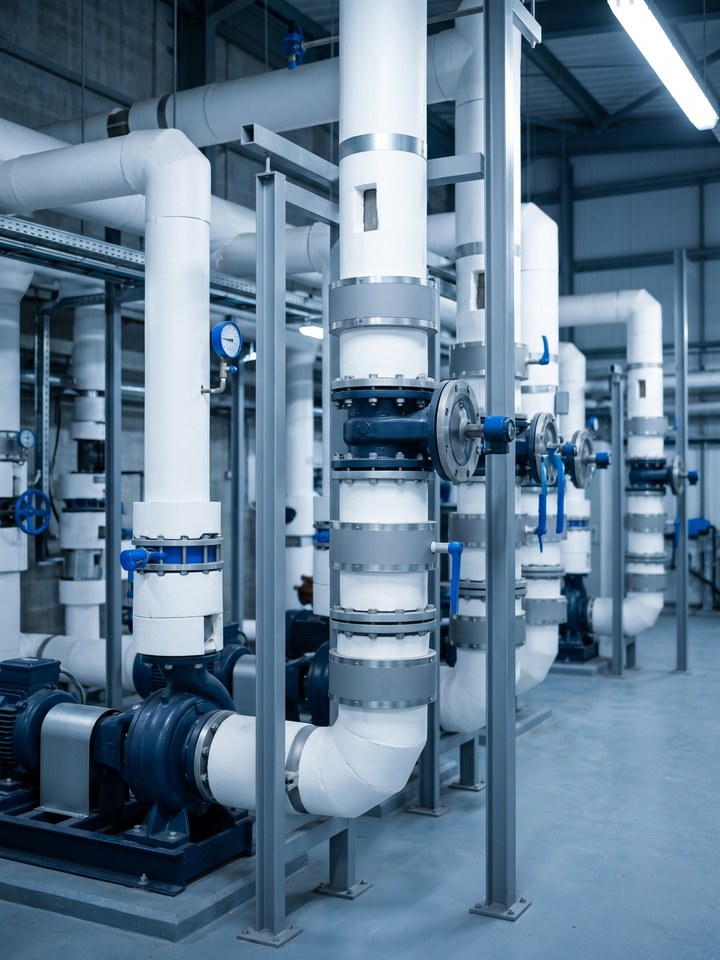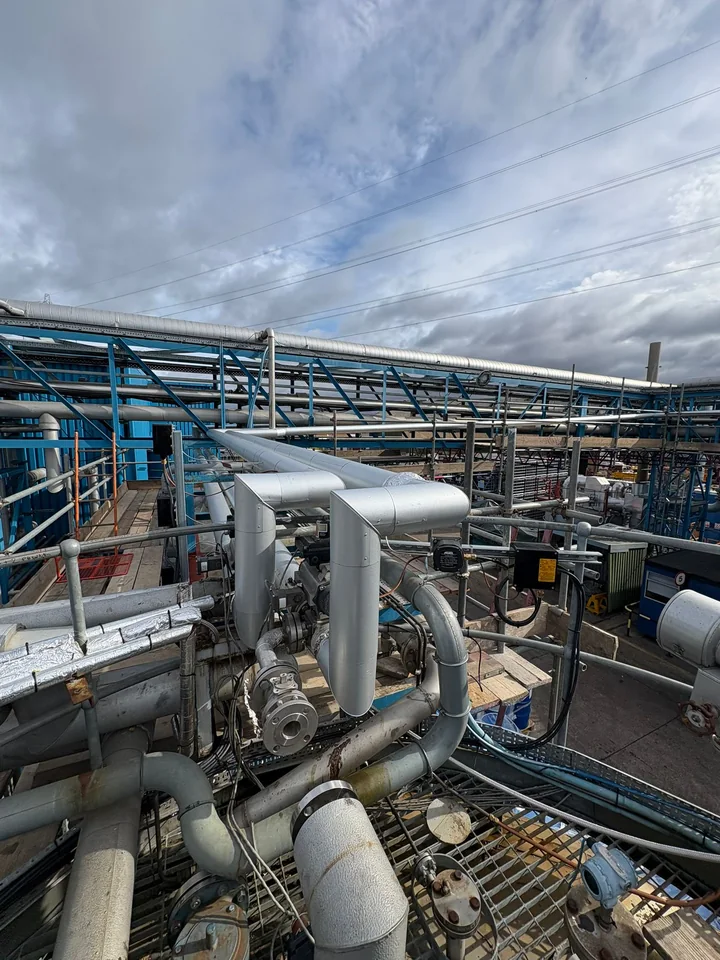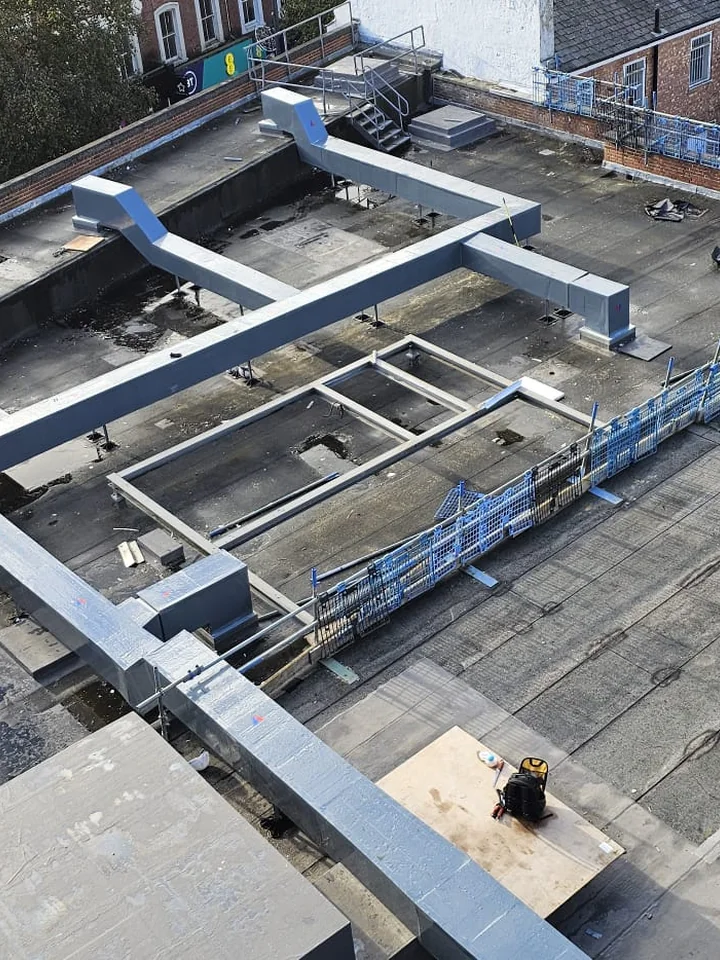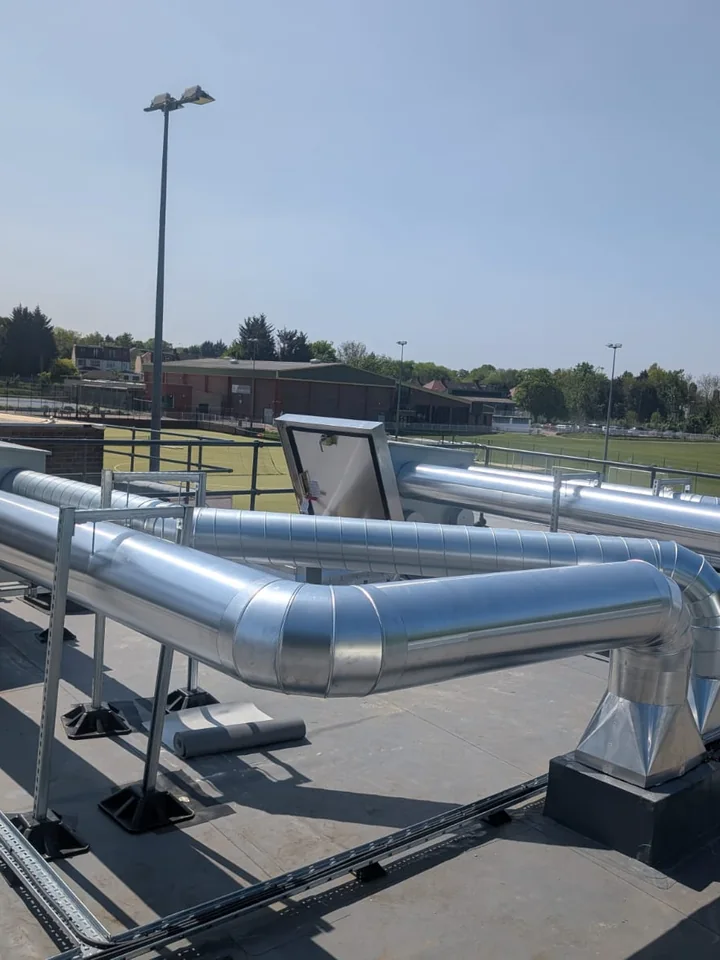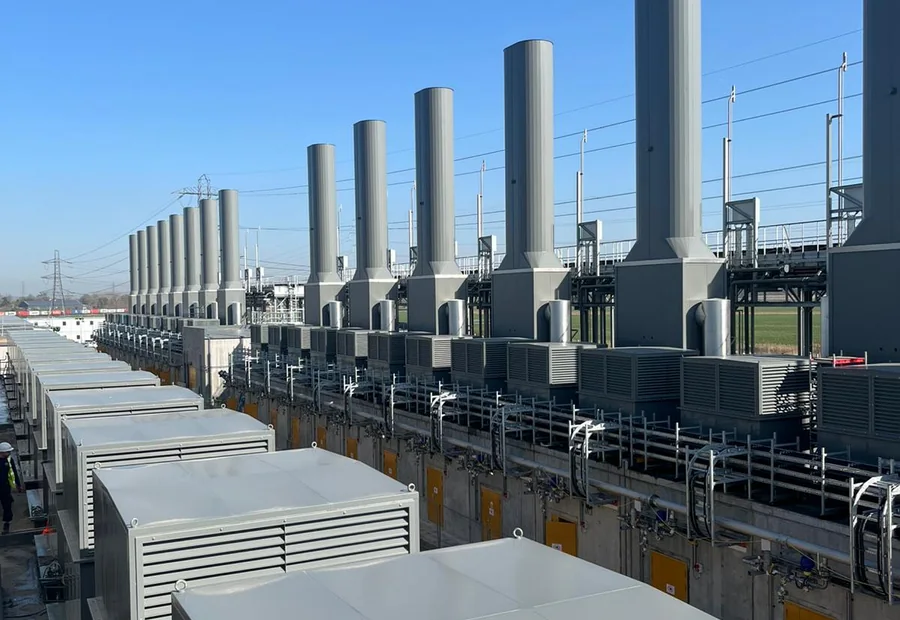
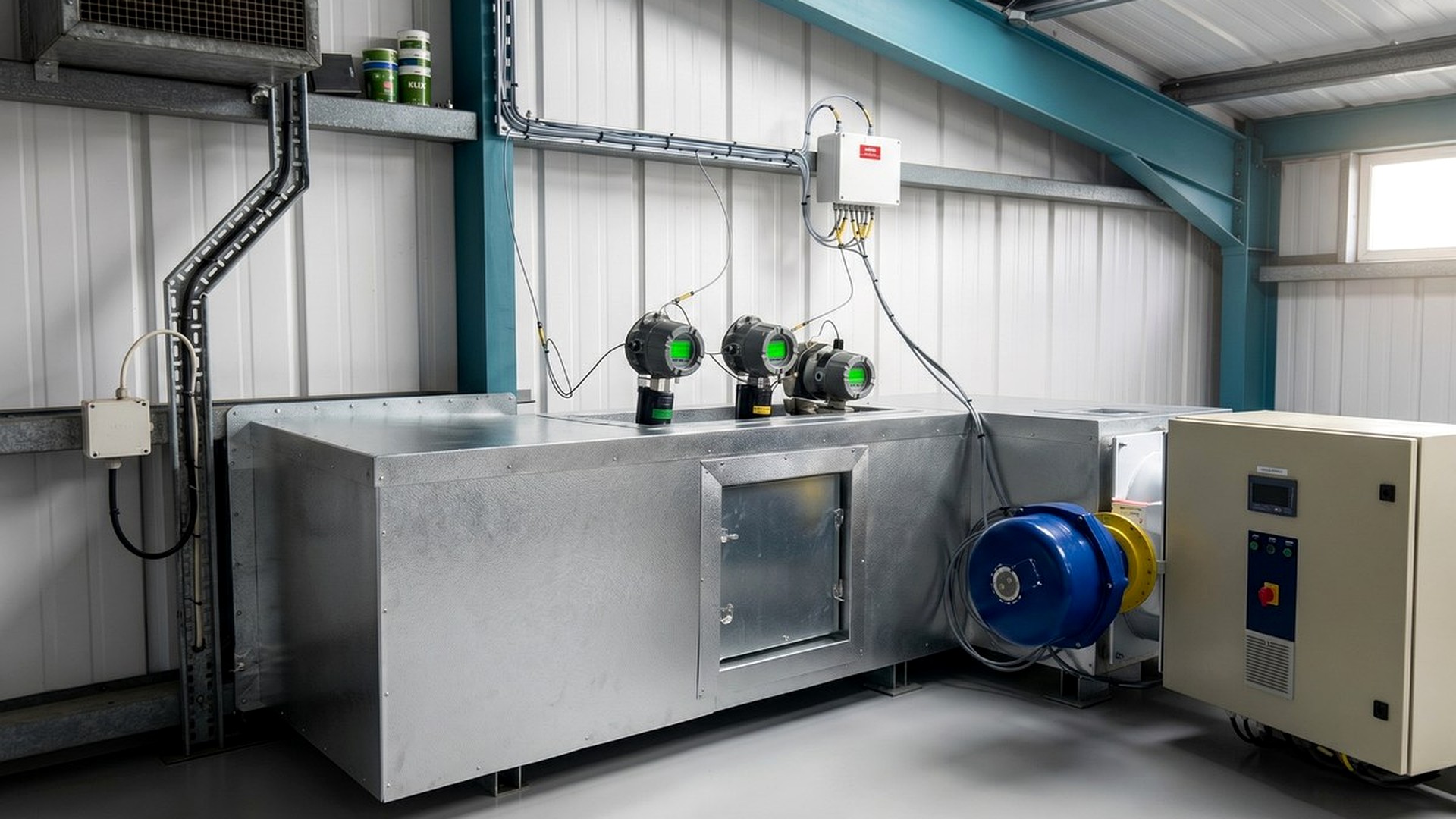

Commercial and industrial sprinkler pipework trace heating for exposed mains, branch routes, canopies and roof-level fire-system services where freezing conditions cannot be ignored.
Fire-system routes often have the awkward exposure, bracket detail and access constraints that make trace heating harder than it looks on paper. Enviroshield plans around the actual route condition before installation starts.
Sprinkler Pipework Trace Heating Planned Around the Real Route
Enviroshield looks at exposure, service duty, controls, insulation and handover detail before recommending the right trace heating route.
Exposed Sprinkler Routes
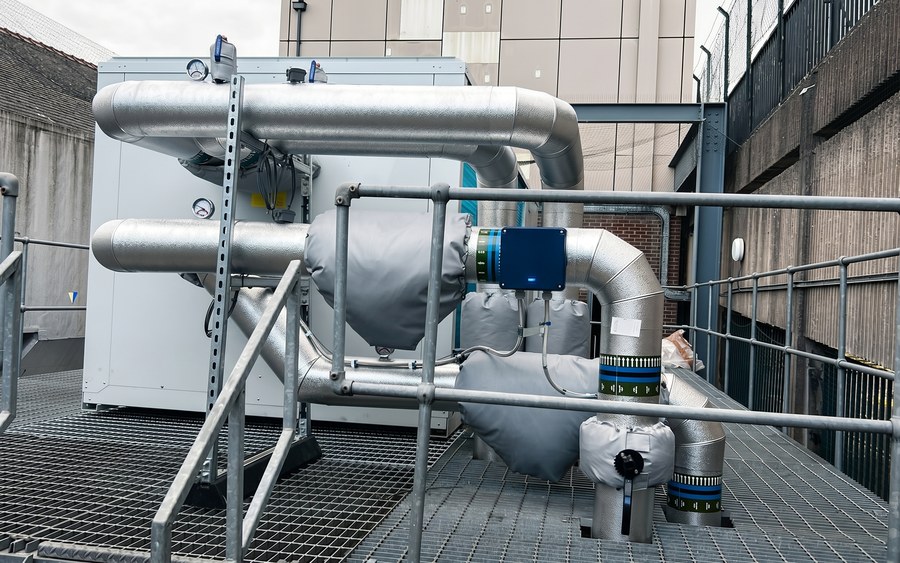
Protect roof-level, canopy and externally routed sprinkler pipework that is vulnerable to freezing conditions.
Route Coordination
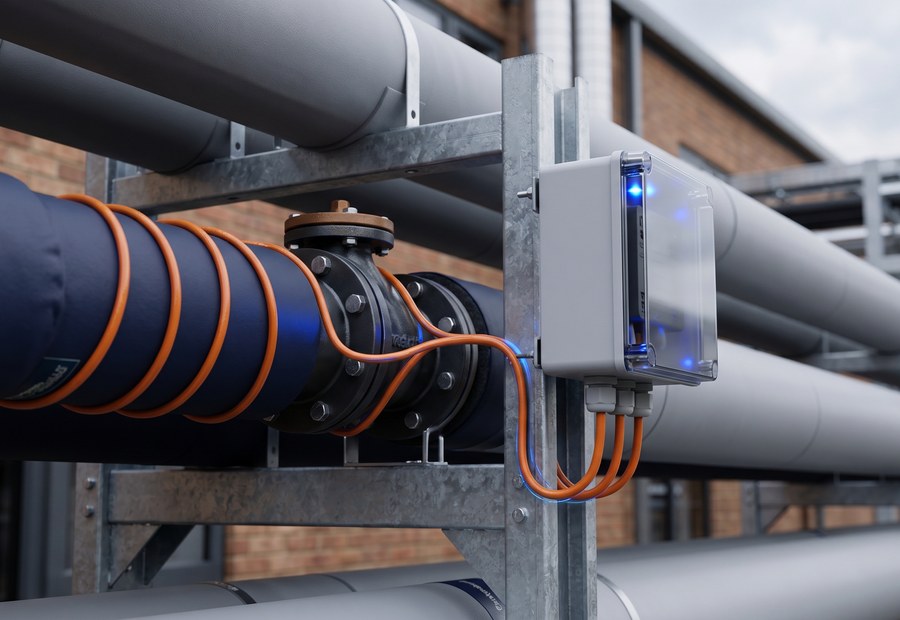
Plan trace heating around supports, branches, valves and the realities of the installed sprinkler route.
Controls & Isolation
Coordinate controls, power access and isolation detail around the wider site and fire-system requirements.
Finished Service Protection
Trace heating can be coordinated with insulation or protective finish detail where the route needs it.
Where Enviroshield Supports Sprinkler Pipework Trace Heating
Trace heating is normally planned around the parts of the service route where exposure, continuity, route length or winter pressure create the biggest operational risk.
Roof-Level Sprinkler Routes
Roof-mounted mains, perimeter runs and exposed distribution routes above occupied buildings.
Canopies & Loading Bays
External sprinkler pipework serving canopies, access points and service-yard areas.
Valve Sets & Branches
Trace heating coordinated around vulnerable connections, assemblies and local route details.
Coordination with Site Teams
Delivery planned alongside the wider fire-system contractor, specification and site constraints.