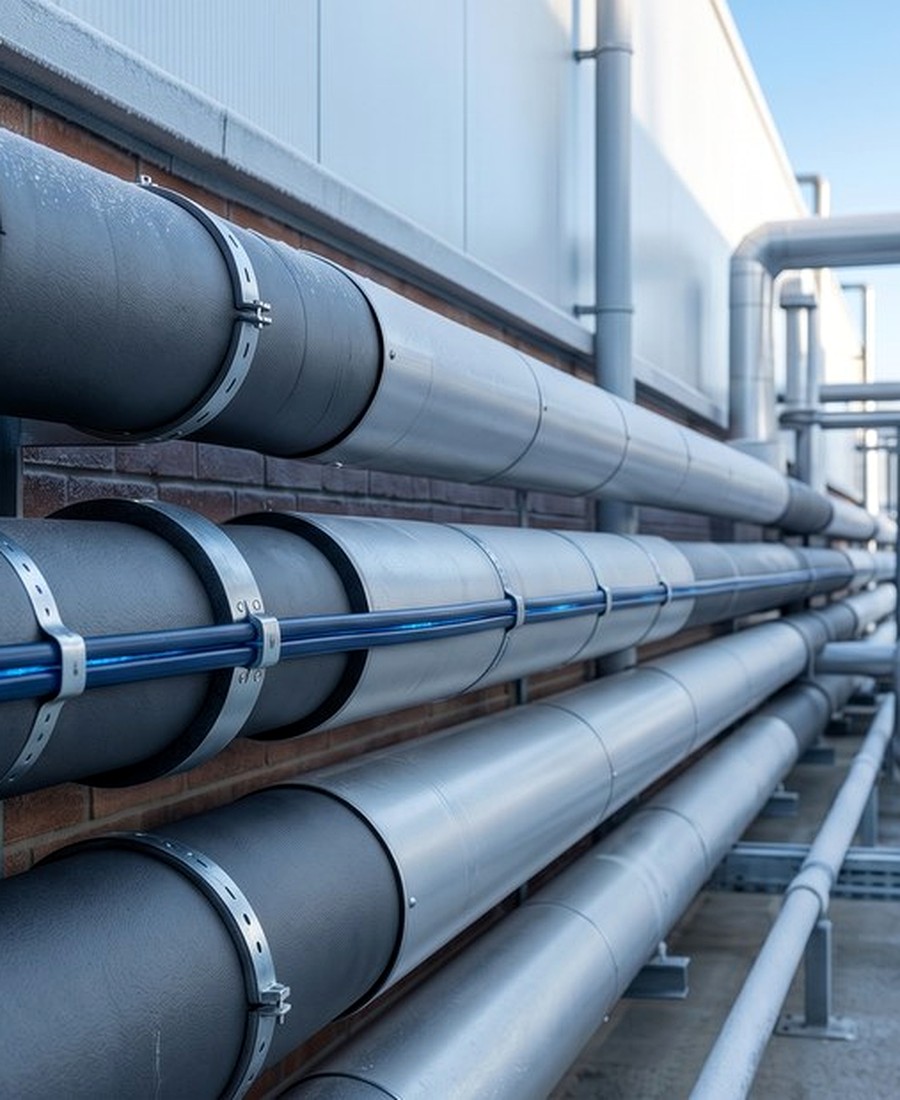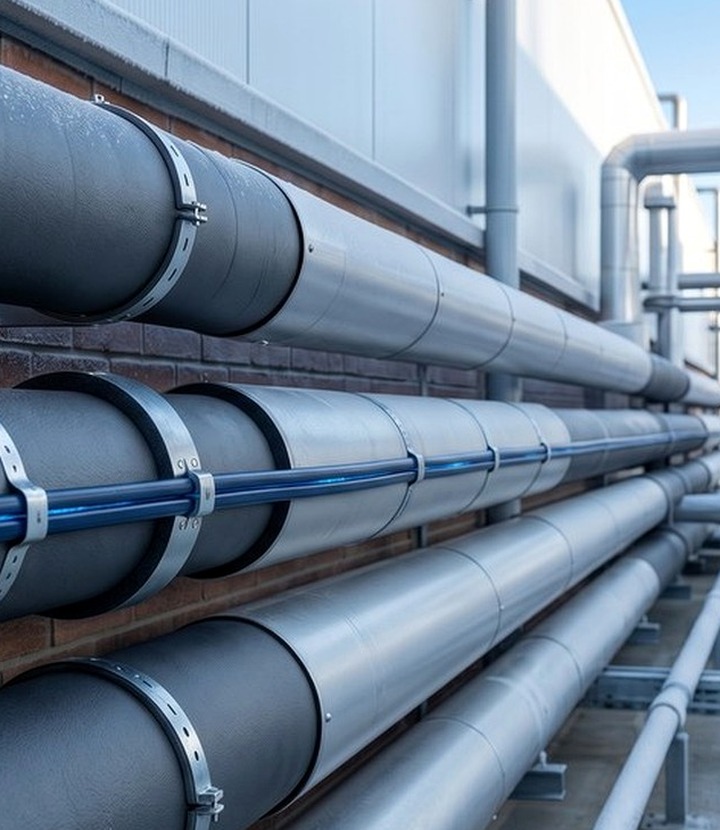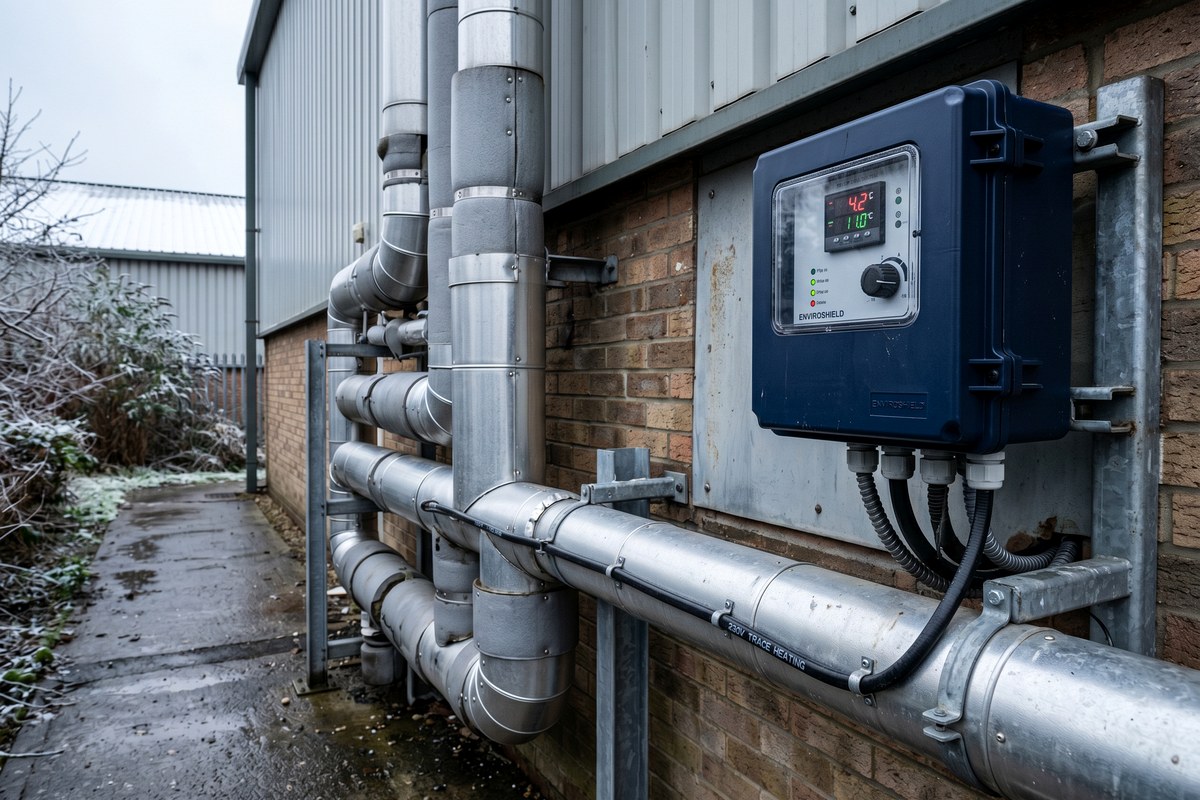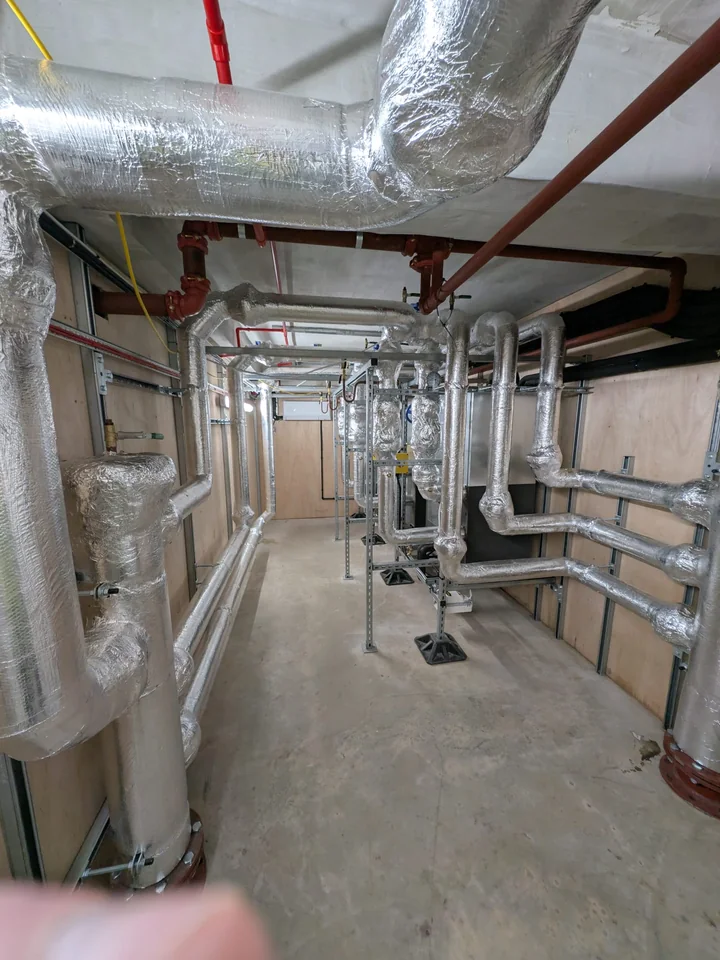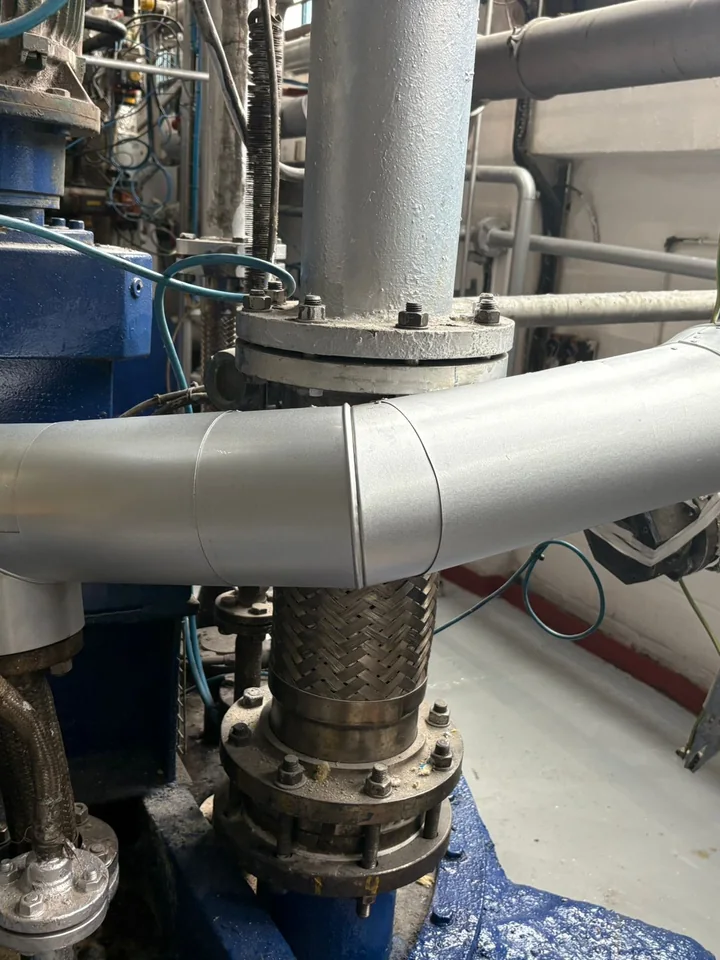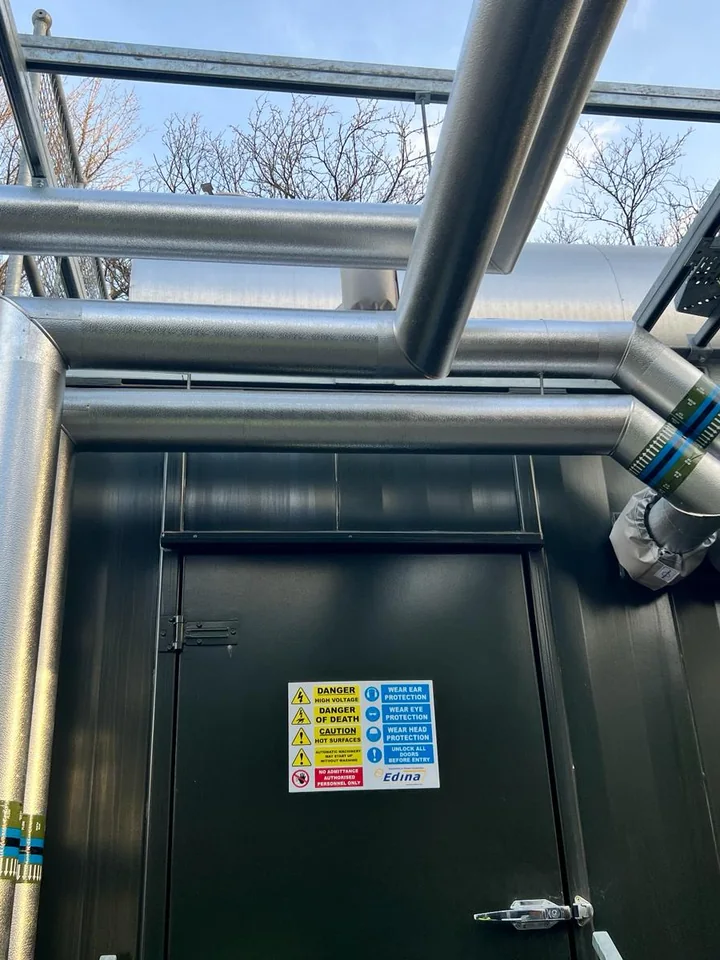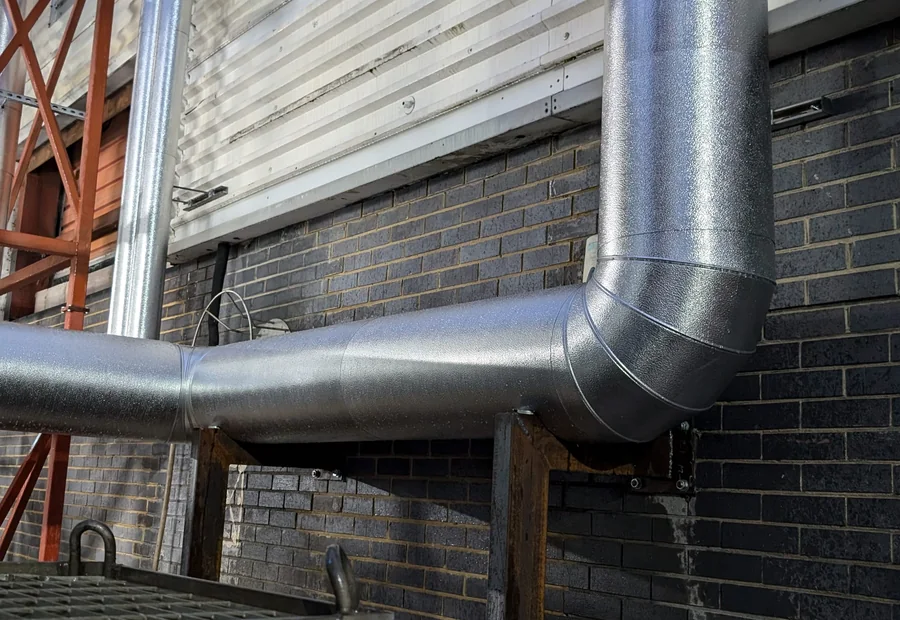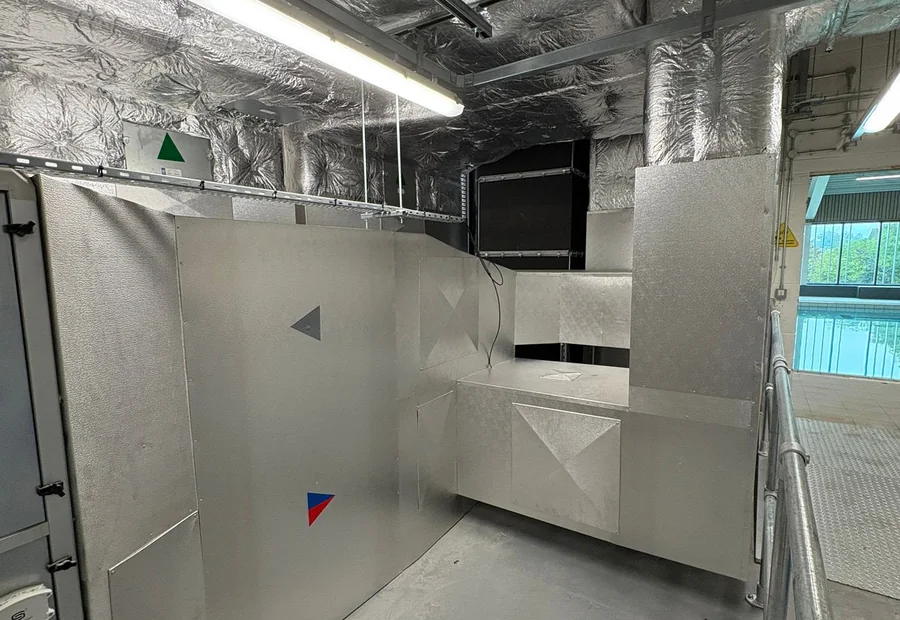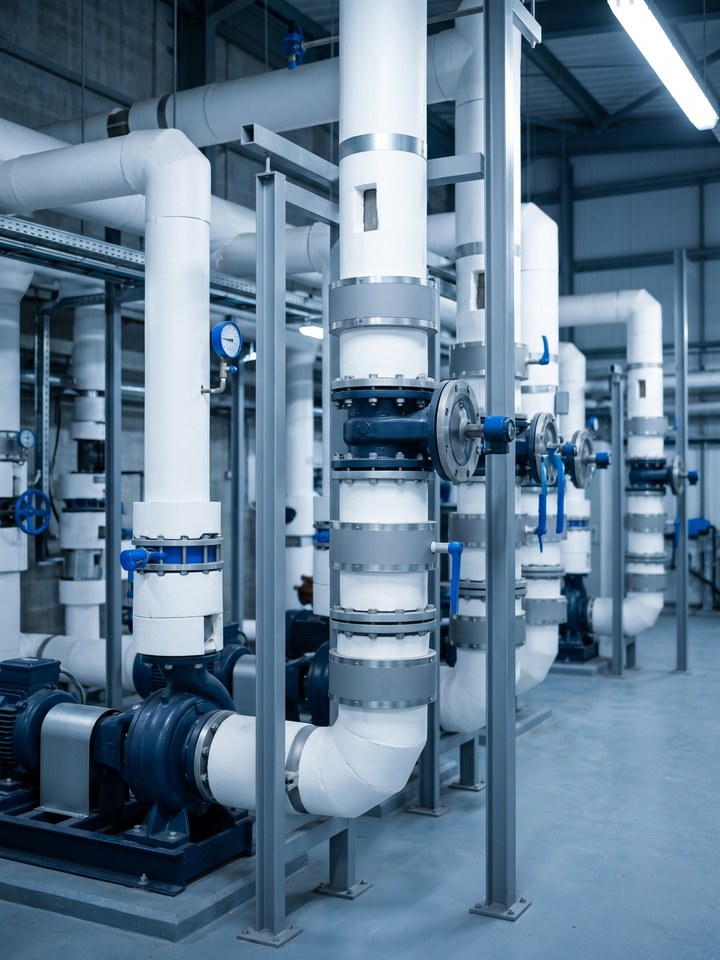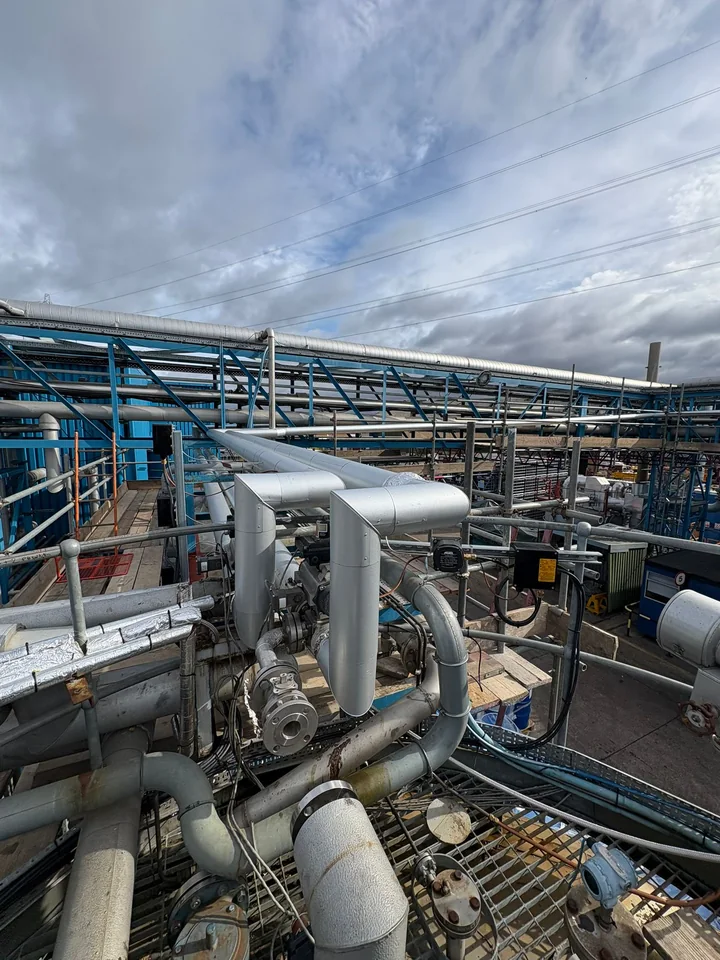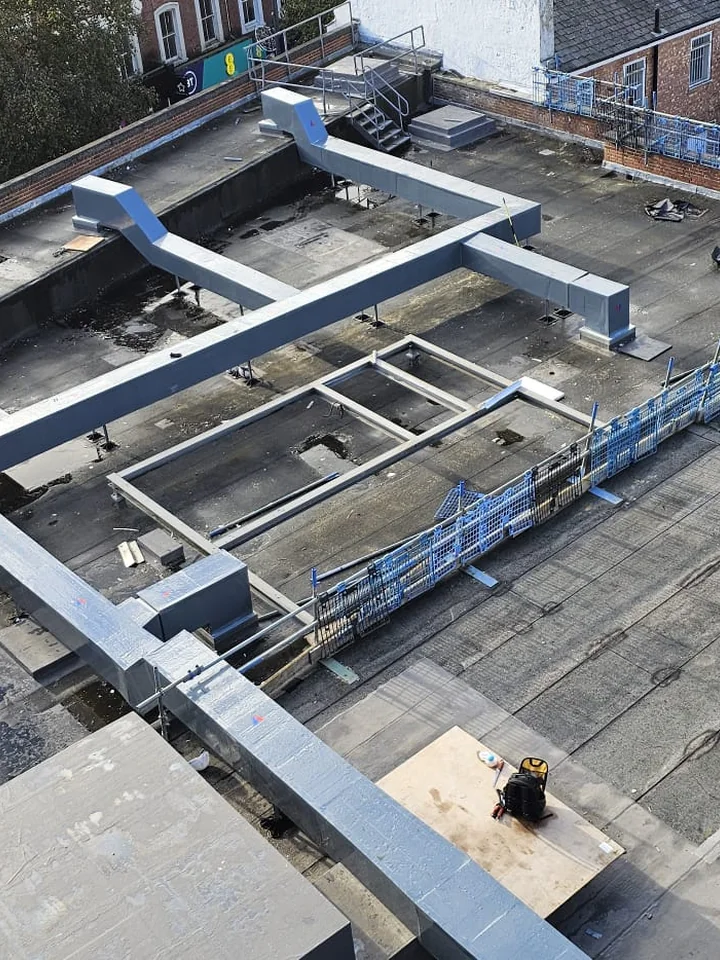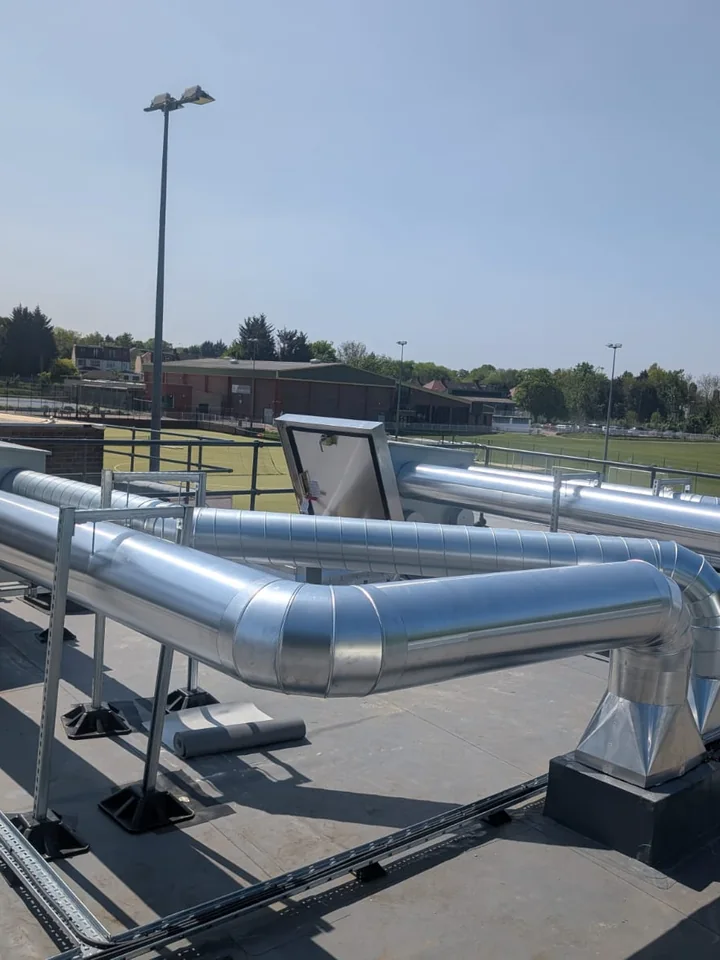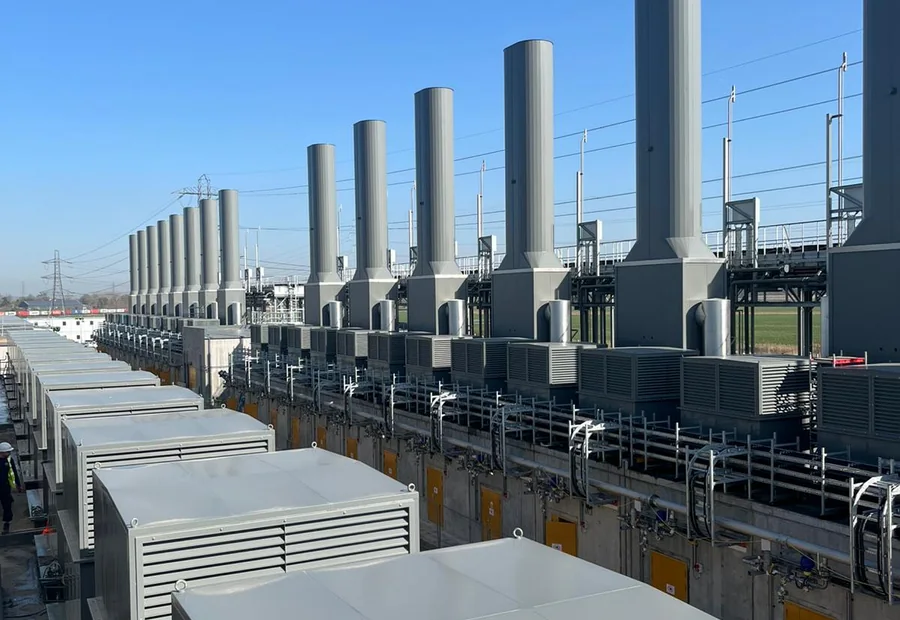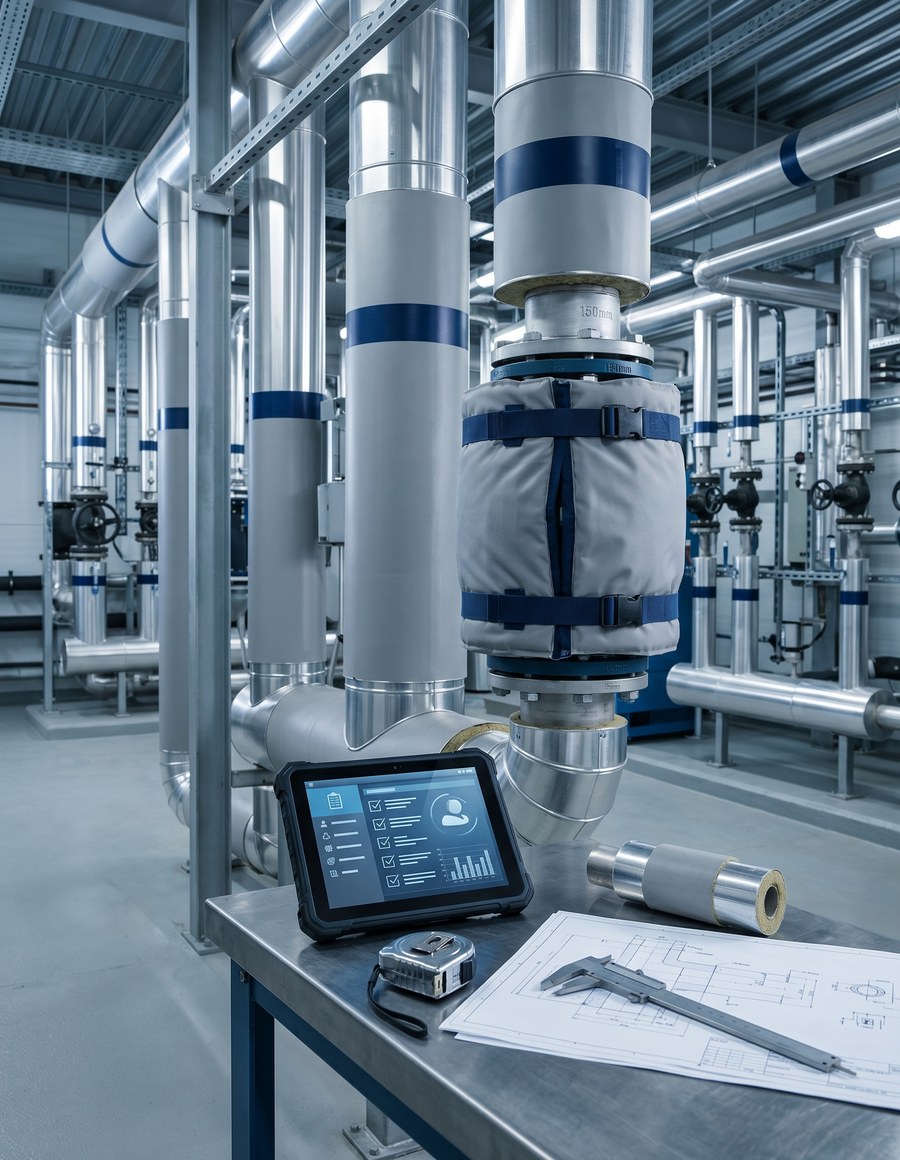
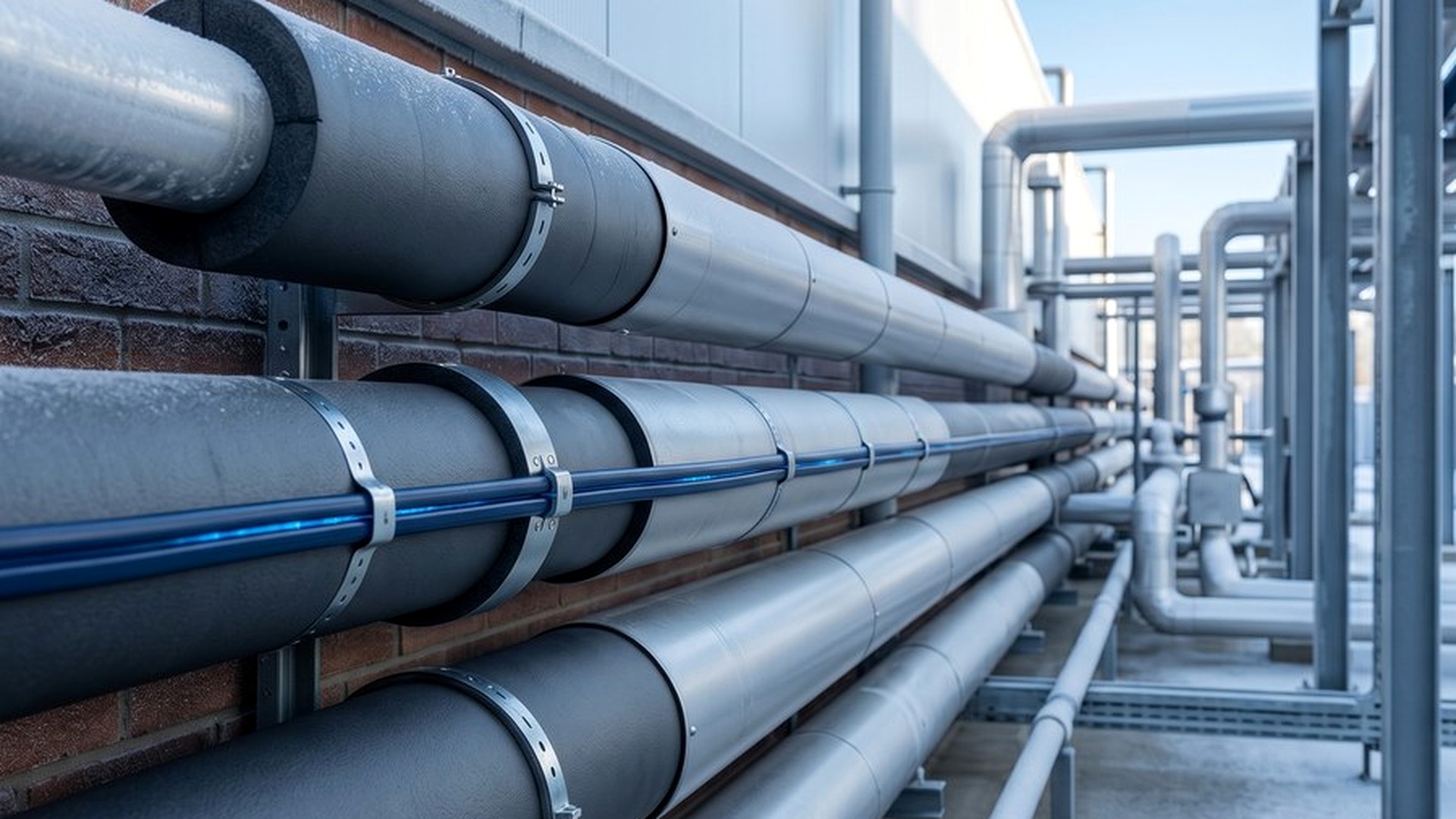

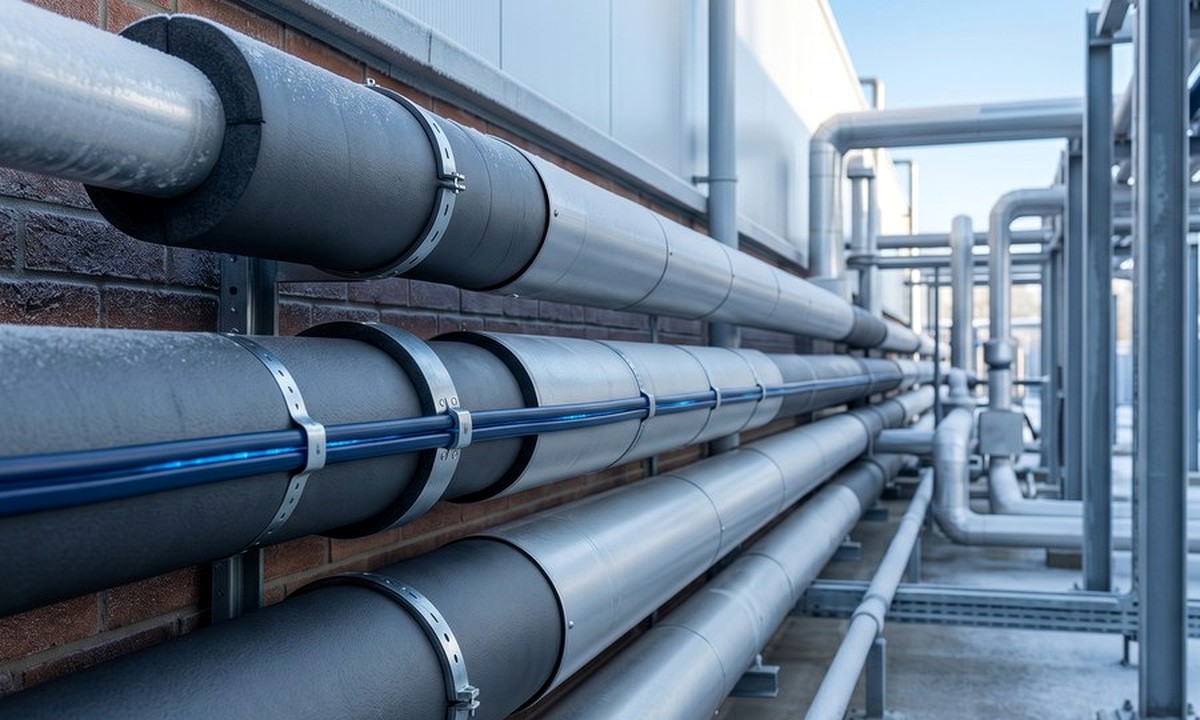
Commercial and industrial gutter and downpipe trace heating for roof drainage routes, outlets, canopies and overflow-prone buildings where frozen discharge points can quickly become a site issue.
Effective drainage protection depends on the route detail: gutter sections, valleys, downpipes, outlets, access constraints and where overflow would actually create a problem. Enviroshield plans the route around that practical reality.
Gutter & Downpipe Trace Heating Planned Around the Real Route
Enviroshield looks at exposure, service duty, controls, insulation and handover detail before recommending the right trace heating route.
Gutters & Valleys
Protect roof gutters, valleys and collection points where ice build-up blocks normal drainage flow.
Downpipes & Outlets
Support discharge routes where frozen downpipes or outlets create overflow and staining risk.
Canopies & Entrances
Protect drainage routes above access points, loading bays and public-facing building edges.
Seasonal Controls
Coordinate switching and operation so the drainage route is protected when conditions require it.
Where Enviroshield Supports Gutter & Downpipe Trace Heating
Trace heating is normally planned around the parts of the service route where exposure, continuity, route length or winter pressure create the biggest operational risk.
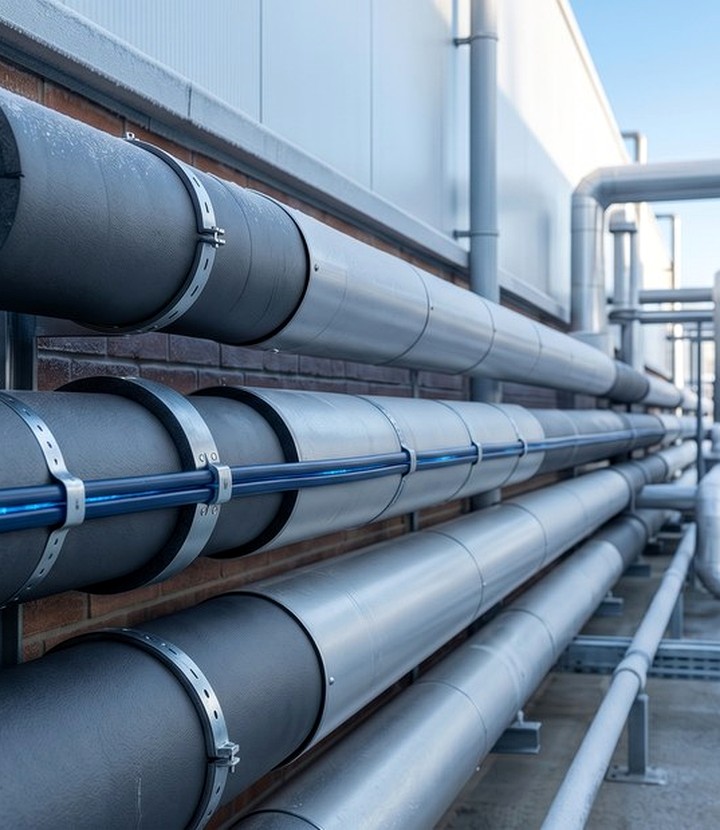
Commercial Roof Drainage
Main roof gutters, valleys and drainage runs on commercial, industrial and public buildings.
Downpipes & Discharge Points
Vertical drainage routes and outlets where freezing can stop the route clearing properly.
Entrances & Canopies
Routes above access points, canopies and loading bays where frozen drainage creates risk for building users.
Sensitive Building Frontages
Buildings where overflow, staining or repeated winter drainage failure has a wider operational impact.